
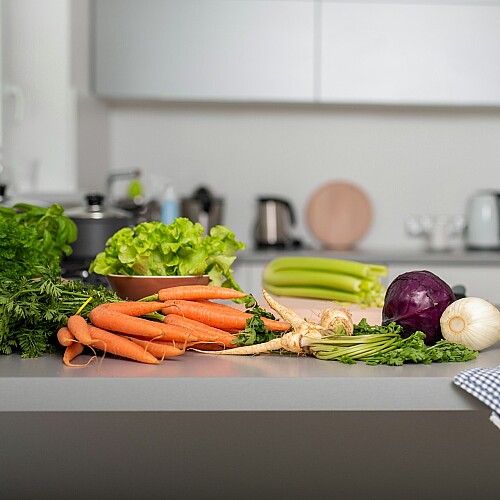
Food preparation is the set of skills and steps that turn raw ingredients into a safe, finished meal, including planning what to cook, gathering and organizing your ingredients and tools, cooking with the right technique, and cleaning up as you go. Skip a step, and all of a sudden, the onion is half-chopped, the oil is already smoking, and the garlic is burning. That kitchen chaos happens when you jump straight to cooking.
You’ve probably seen “meal prep” all over social media, and that Sunday-afternoon container-filling routine is one useful piece of the puzzle. But food preparation is the bigger picture. It’s how you handle produce so it lasts, how you set up your station so you never lose anything mid-recipe, and how you build enough technique to riff on a dish without leaning on the full recipe.
A well-stocked pantry is the foundation, and the rest builds from there. You need the right tools, organized ingredients, confident technique, and smart habits that keep your kitchen clean and your food safe. The stages build on one another, and there’s a deeper dive waiting when you’re ready to go further.
Planning and Stocking Your Prep Tools
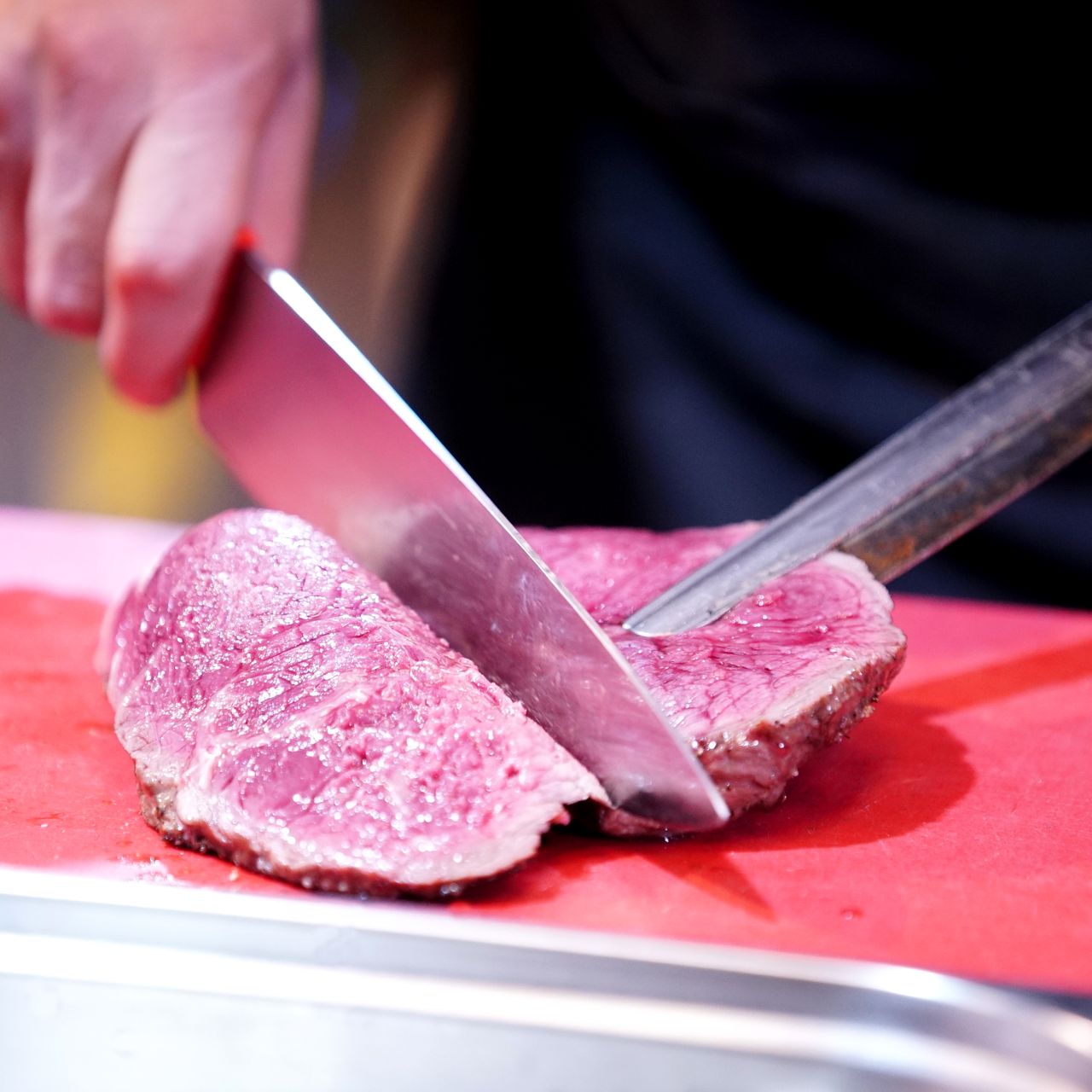
Great food prep starts before you turn on the stove. A quick inventory of your fridge and pantry before you write a shopping list keeps you from buying duplicates and forgetting essentials. Even a rough recipe plan for the week (nothing elaborate, just a loose idea of three or four meals) gives your shopping trip focus and cuts down on those mid-week grocery runs that eat into your evening.
Pro Tip: I keep a “grocery list” tablet on the side of my refrigerator. Any time someone uses the last of an item, they write it on the list for my next trip.
Essential Prep Tools
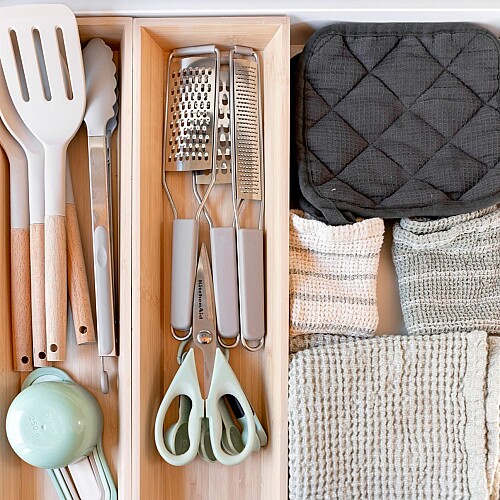
Once the planning is sorted, the right tools make the work faster and more predictable. A sharp chef’s knife, a sturdy cutting board, and a reliable kitchen scale will take you further than a drawer full of specialty gadgets you used once and forgot about.
Start with the essentials:
Chef’s knife. A good blade handles the vast majority of your cutting work, from dicing onions to breaking down a whole chicken.
Cutting board. Choose a large, sturdy board. If it slides around on the counter, tuck a damp towel underneath to lock it in place.
Digital kitchen scale. A scale sharpens baking and portioning when precision counts.
Prep bowls. A few nesting bowls keep measured ingredients organized before they hit the pan.
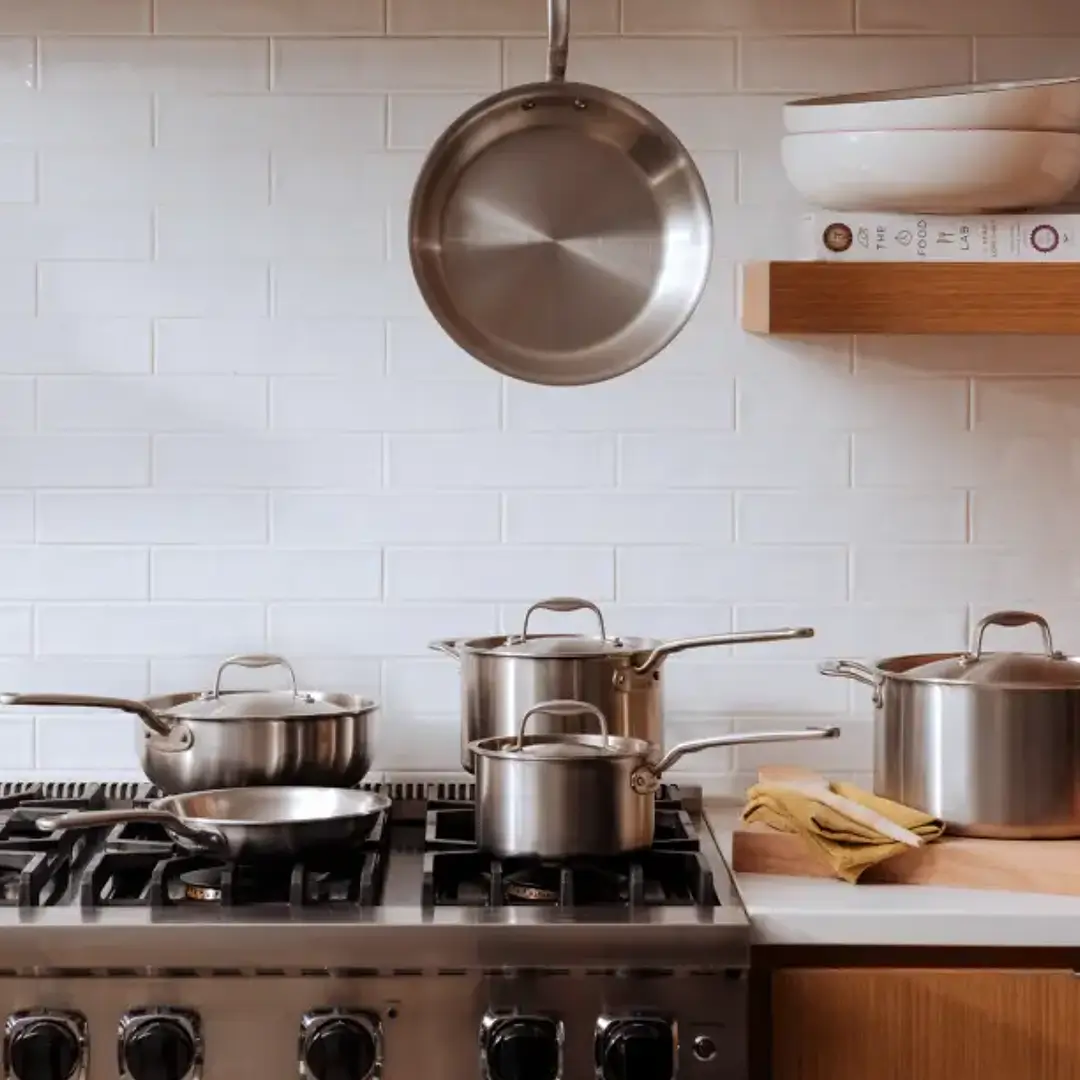
Skillet and Dutch oven. A heavy-bottomed skillet and a Dutch oven cover sautéing, braising, and roasting.
Sheet pan and tongs. These two round out a capable, clutter-free kitchen.
Meat thermometer. An instant-read thermometer takes the guesswork out of doneness, so you’re never cutting into a chicken breast just to check.
A sharp knife is safer than a dull blade because it requires less force and gives you more control. To build a functional kitchen, invest in fewer, better tools, and learn how to maintain them. For a deeper look at which prep tools belong on your counter, check out our kitchen prep tools guide.
Handling Fresh and Frozen Ingredients
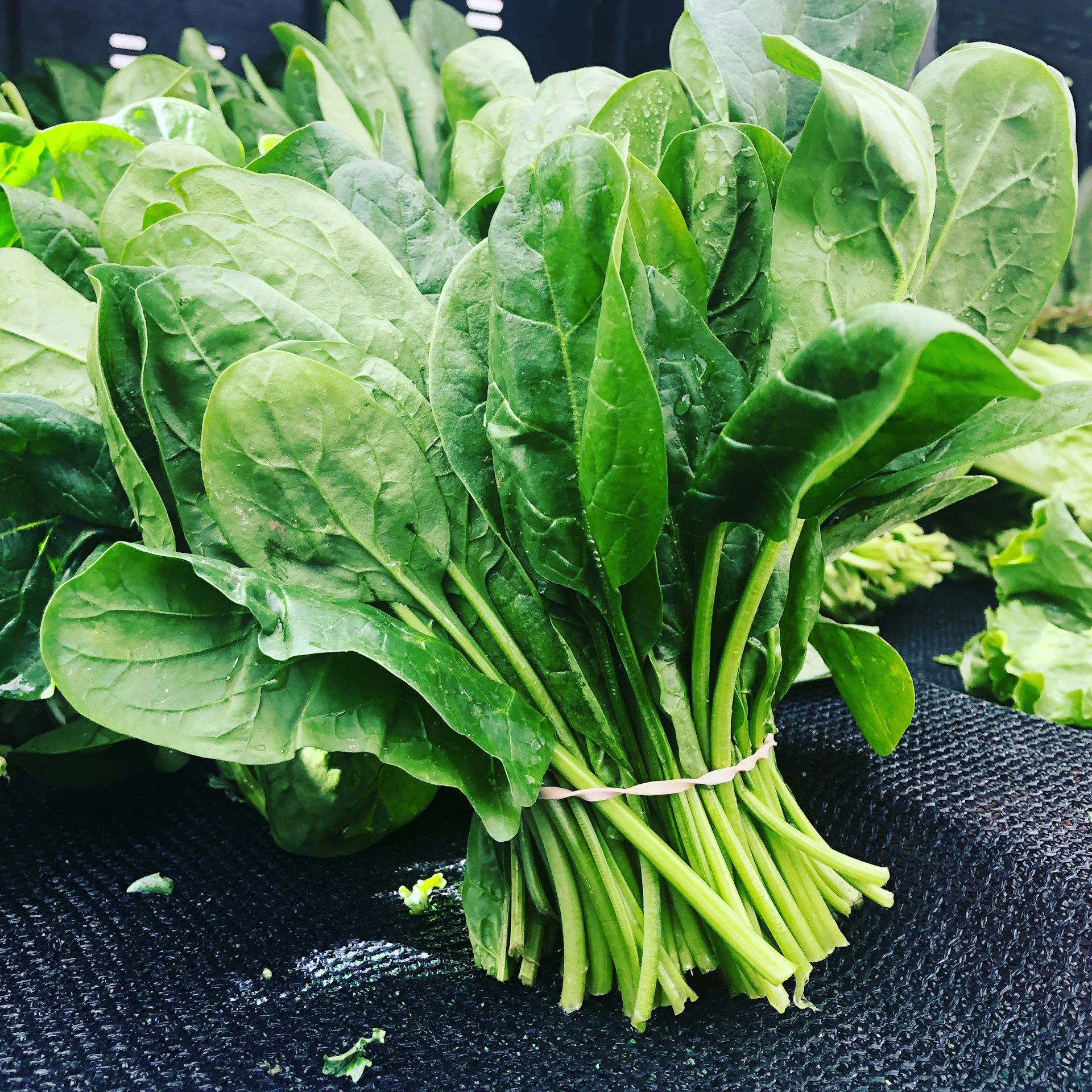
There’s a specific kind of disappointment that comes with pulling soggy spinach out of the fridge or freezer-burned chicken out of the freezer. Most of the time, the ingredients were perfectly fine when you bought them. Things went sideways with your storage habits.
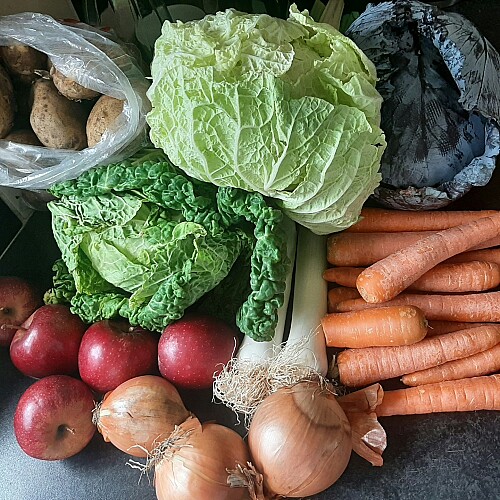
Fresh produce benefits from a little attention right after you bring it home:
Leafy greens. Wash and dry them before storing loosely in the fridge in a container lined with a paper towel to absorb excess moisture.
Stone fruits and tomatoes. Keep at room temperature until they ripen, then move to the fridge.
Berries. Skip washing until you’re ready to eat them. Moisture speeds up mold.
Fresh herbs. Trim the stems of cilantro and parsley, stand them in a jar of water, and cover loosely in the refrigerator. They’ll stay perky for days.
Freezing
Freezing is one of the best food prep tools you have for stretching ingredients and reducing waste. Blanching vegetables before freezing preserves their color, texture, and nutrients.
Drop them into boiling water for the time your vegetable calls for (roughly two to four minutes for most items, up to 11 minutes for larger pieces like corn on the cob), transfer to an ice bath to stop the cooking, then drain, pat dry, and freeze flat on a sheet pan before moving them to airtight containers. This flash-freeze step keeps individual pieces from clumping into an icy brick.
Thawing
Thoughtful ingredient care is a cornerstone of food prep that pays off in both flavor and safety. Thawing works best in the refrigerator overnight. It’s slower, but it keeps food out of the temperature danger zone (40–140°F) where bacteria multiply fastest.
In a pinch, submerge sealed food in a cold-water bath, swap the water for fresh cold water every 30 minutes, then cook right away once thawed. If you use the microwave to thaw, cook the food immediately afterward.
Smart storage extends the shelf life of your ingredients. To keep produce and proteins at their peak from purchase to plate, learn more about handling fresh and frozen ingredients.
Mise en Place
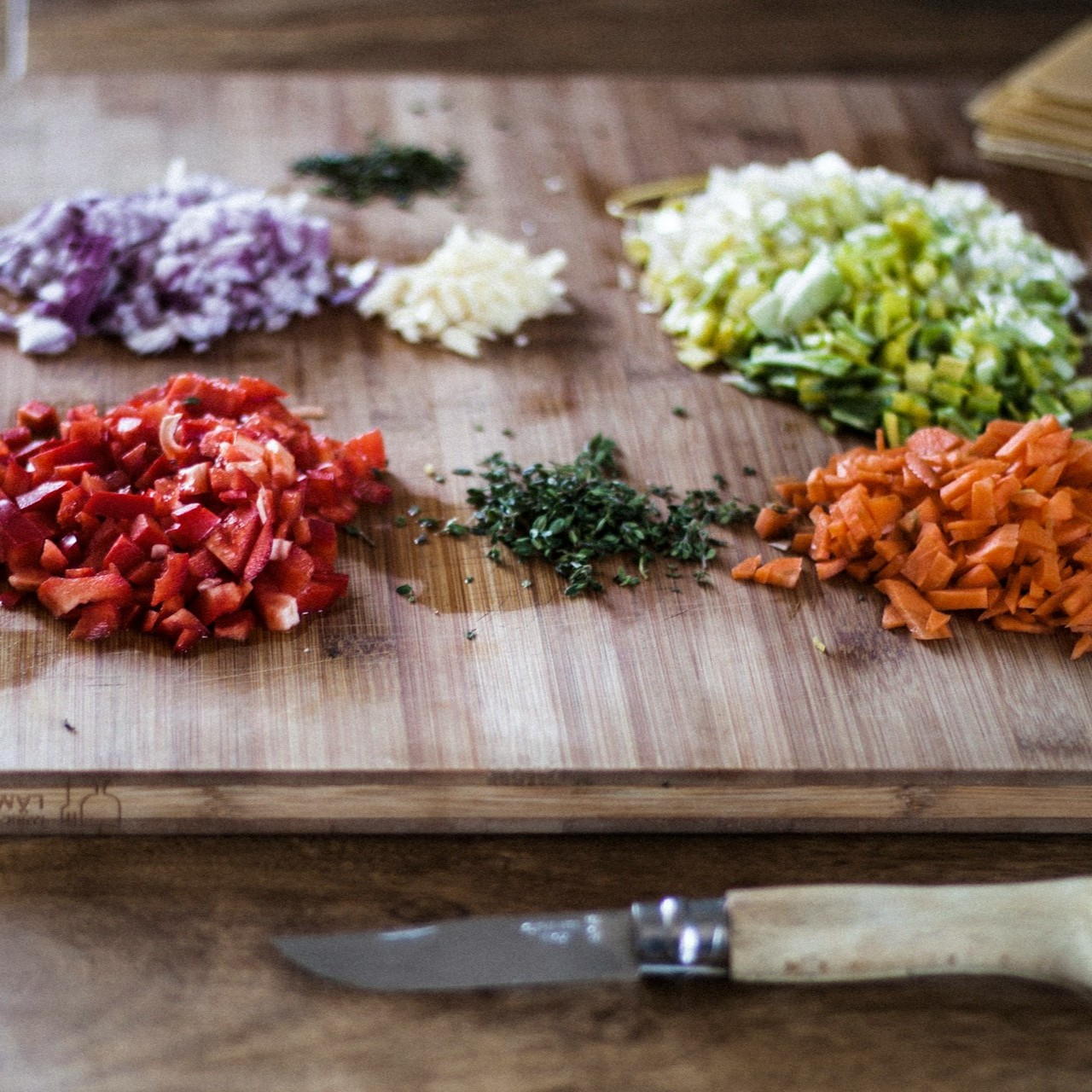
Professional kitchens live and die by mise en place, a French term that translates to “everything in its place.” Home cooks who adopt even a scaled-down version of the practice tend to wonder how they ever cooked without it.
The Process
The concept is straightforward. Before you turn on the heat, read the full recipe. Then chop, slice, dice, and measure your ingredients, placing the components in bowls or on a plate in the order you’ll need them. You premix spices, premeasure liquids, and let proteins sit out for 15 to 30 minutes to take the chill off for more even cooking. By the time the pan is hot, you’re ready to go.
Why It Works
Mise en place eliminates the frantic mid-recipe scramble that leads to overcooked pasta and missing ingredients. When what you need sits within arm’s reach, you can focus on the sizzle in the pan, the aroma shifting as garlic turns golden, and the exact moment the onions go translucent. You catch mistakes before they cost you a dish, and your timing gets dramatically tighter.
Getting Started
A few prep bowls, a clean plate, and the discipline to read the recipe all the way through before you start are enough to change how a meal comes together. Go with a recipe you already know well, lay everything out before you light the burner, and notice how different it feels to cook at a steady pace. The habit builds fast once you experience the calm it creates. Dive deeper into the practice with our mise en place guide.
Core Food Preparation Techniques
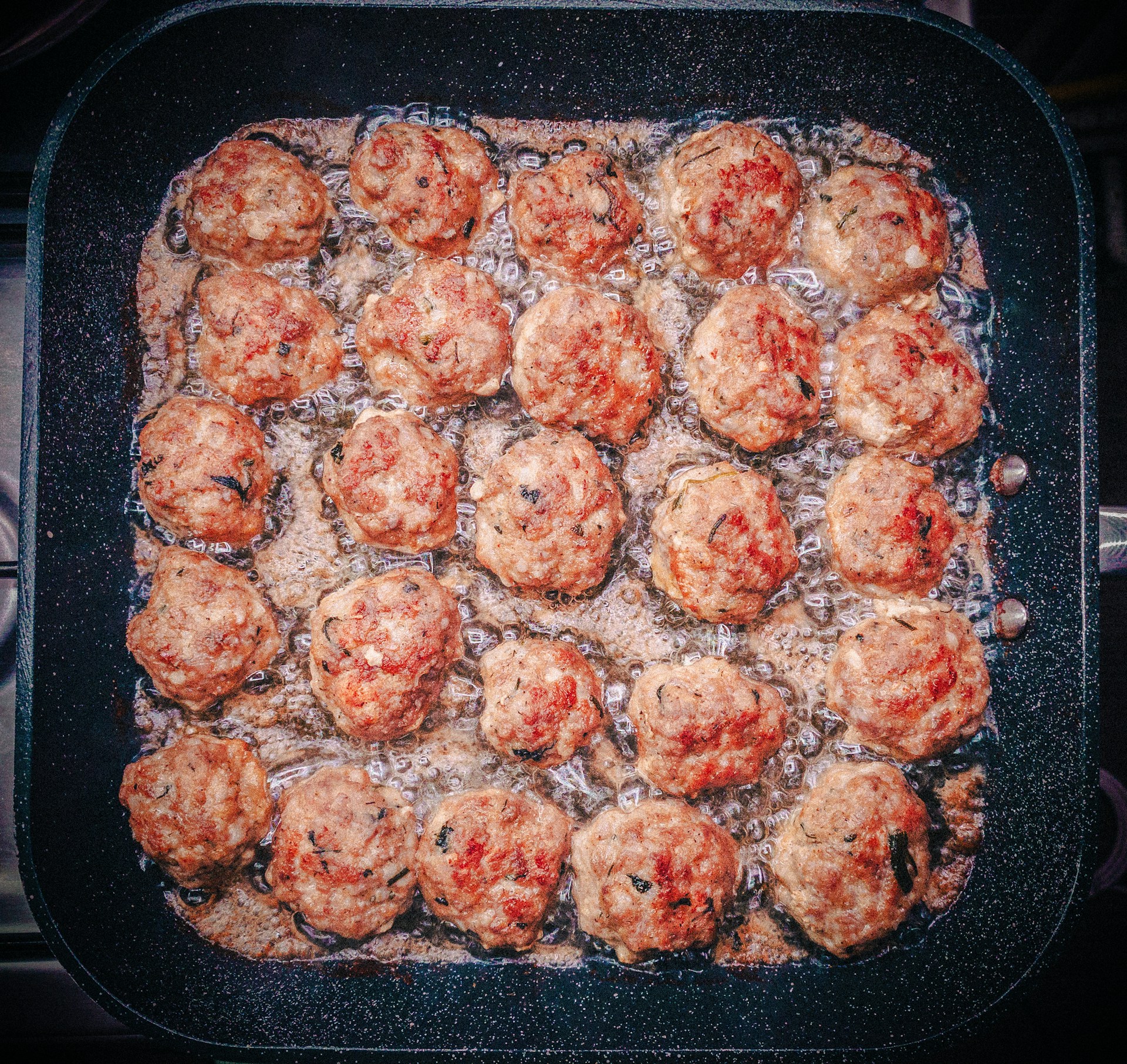
Knowing a handful of core techniques gives you the freedom to cook without following a recipe line by line. Once you understand how heat moves through food and why certain methods produce certain results, you can start improvising with confidence.
Dry-Heat Cooking
Dry-heat cooking uses air, fat, or direct radiant heat to brown and crisp ingredients.
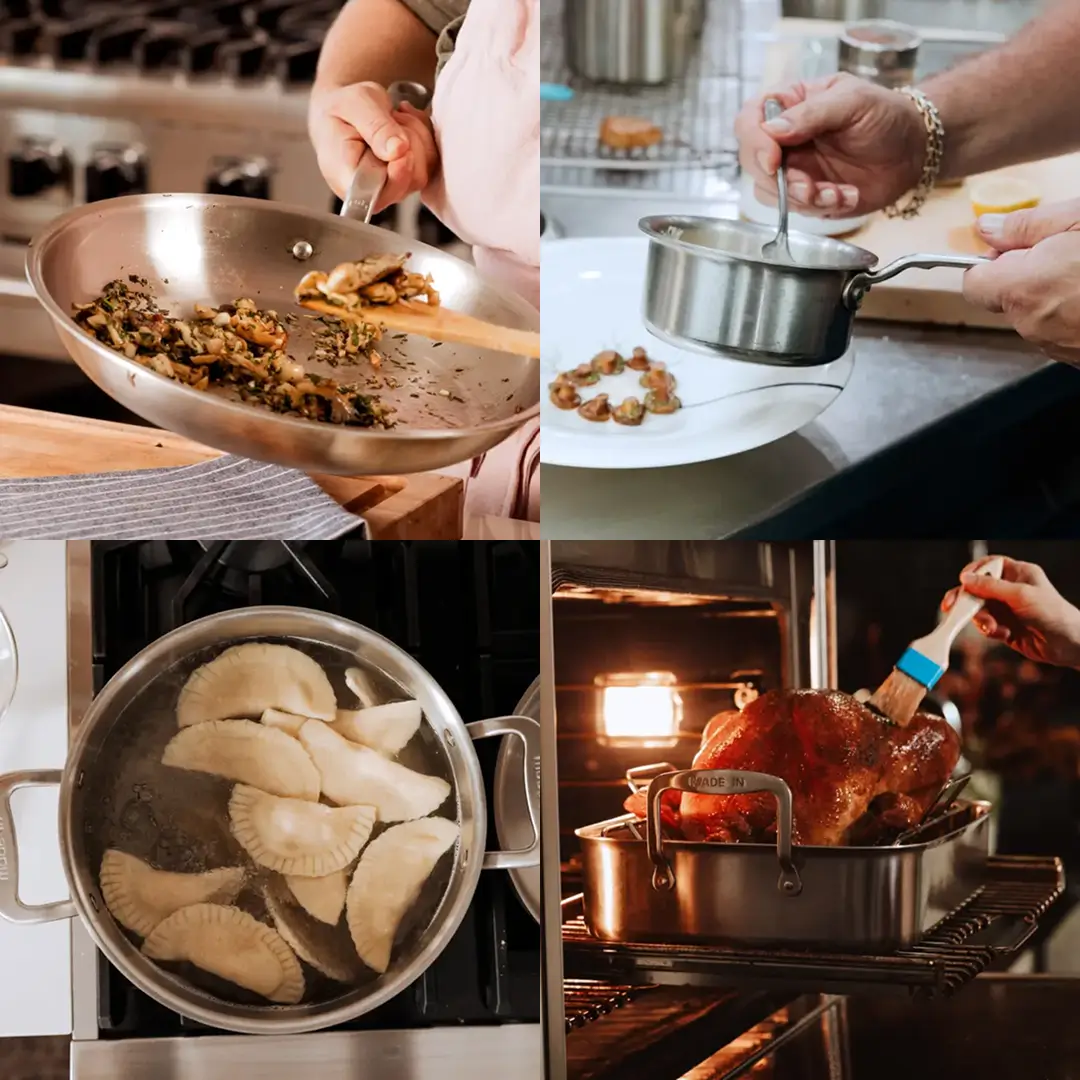
Sautéing. A hot skillet with a thin layer of oil delivers caramelized edges on vegetables and a golden sear on thin cuts of protein.
Roasting. Steady oven heat surrounds the food, coaxing deep, sweet flavors from root vegetables and crackling skin from poultry.
Pan-searing. A blast of stovetop heat builds a crust, then a stint in the oven carries the interior gently to done.
Grilling. Direct flame adds smoky char and those satisfying crosshatch marks you can’t replicate indoors.
Frying. Hot oil, whether shallow or deep, creates a shatteringly crunchy exterior that traps moisture inside.
Dry heat rewards patience with the pan and respect for temperature control. Once you learn to read the visual and auditory cues, like the sound of a proper sear or the moment oil shimmers without smoking, you’ll know when the heat is right before you test a single piece of food.
Moist-Heat Cooking
Moist-heat cooking relies on water or steam to transfer heat more gently.
Boiling and simmering. These workhorse methods handle pasta, grains, soups, and rich stocks.
Steaming. Gentle vapor preserves vibrant color and nutrients in vegetables without adding fat, keeping broccoli bright green and snap peas crisp-tender.
Braising. A quick sear builds flavor, then a low, slow simmer in liquid melts tough connective tissue into something velvety and tender.
Quick Reference
Category | Methods | Best For |
|---|---|---|
Dry Heat | Sautéing, roasting, pan-searing, grilling, frying | Browning, crisping, caramelizing |
Moist Heat | Boiling, simmering, steaming, braising | Tenderizing, preserving color, building depth |
The strongest home cooks understand techniques and adapt them across different ingredients and cuisines. For the full breakdown of methods to keep in your back pocket, explore our guide on cooking tips and techniques.
An Efficient Kitchen Workflow
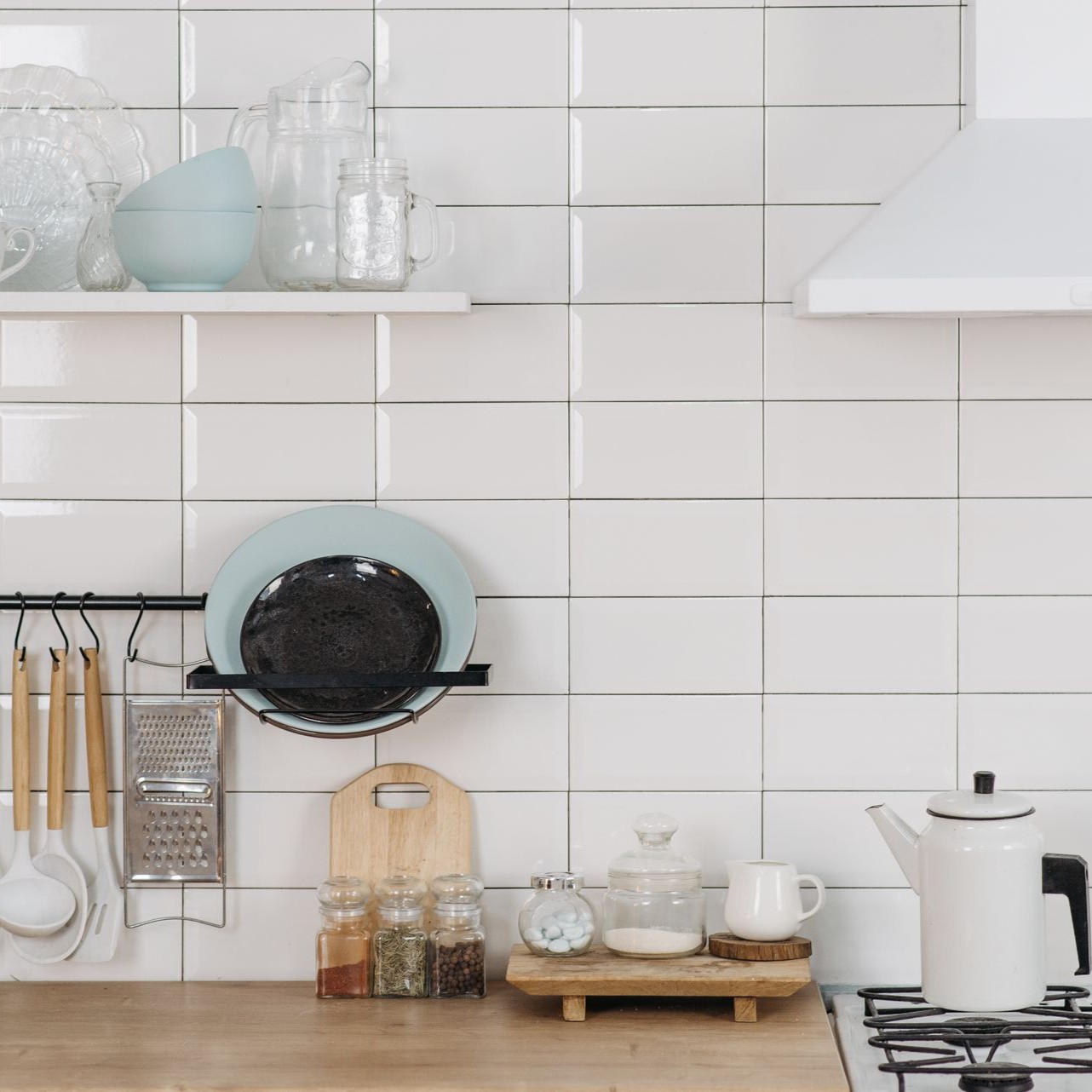
Solid food preparation technique only gets you so far if your kitchen fights you at every turn. Speed rarely comes from moving faster. It comes from working smarter. An efficient workflow means you position your tools, ingredients, and waste where you need them so that you’re not crossing the room six times to grab the salt.
The classic work triangle (sink, stove, refrigerator) is a useful starting point, but the real gains come from thinking in zones. When an area serves a single purpose, wasted steps disappear, and a rhythm takes hold. Try building your kitchen around three areas:
Prep zone. Set this up near your cutting board and stock it with knives, bowls, and a scrap container.
Cooking zone. Position this beside the stove with oils, spices, and utensils at arm’s length.
Plating zone. Keep a clean, open surface ready to assemble the finished dish without clutter.
Zones set up the space, but the habits you build inside them are what make things stick. Small habits like these compound over time:
Return tools to the same spot. A dedicated home for the spatula means no hunting for it mid-recipe or wondering where the measuring cups wandered off to.
Stage your next ingredient. Prep the next component while the current step is cooking so you’re never standing idle at the stove.
Preheat before you prep. Turn on the oven the moment you start chopping so it’s ready the instant your ingredients are.
Small routines like these shave minutes off the total cook time and add up fast. For a deeper look at work zones, task sequencing, and the daily habits that keep a kitchen running smoothly, explore maximizing kitchen efficiency.
Make-Ahead Prep and Batch Cooking
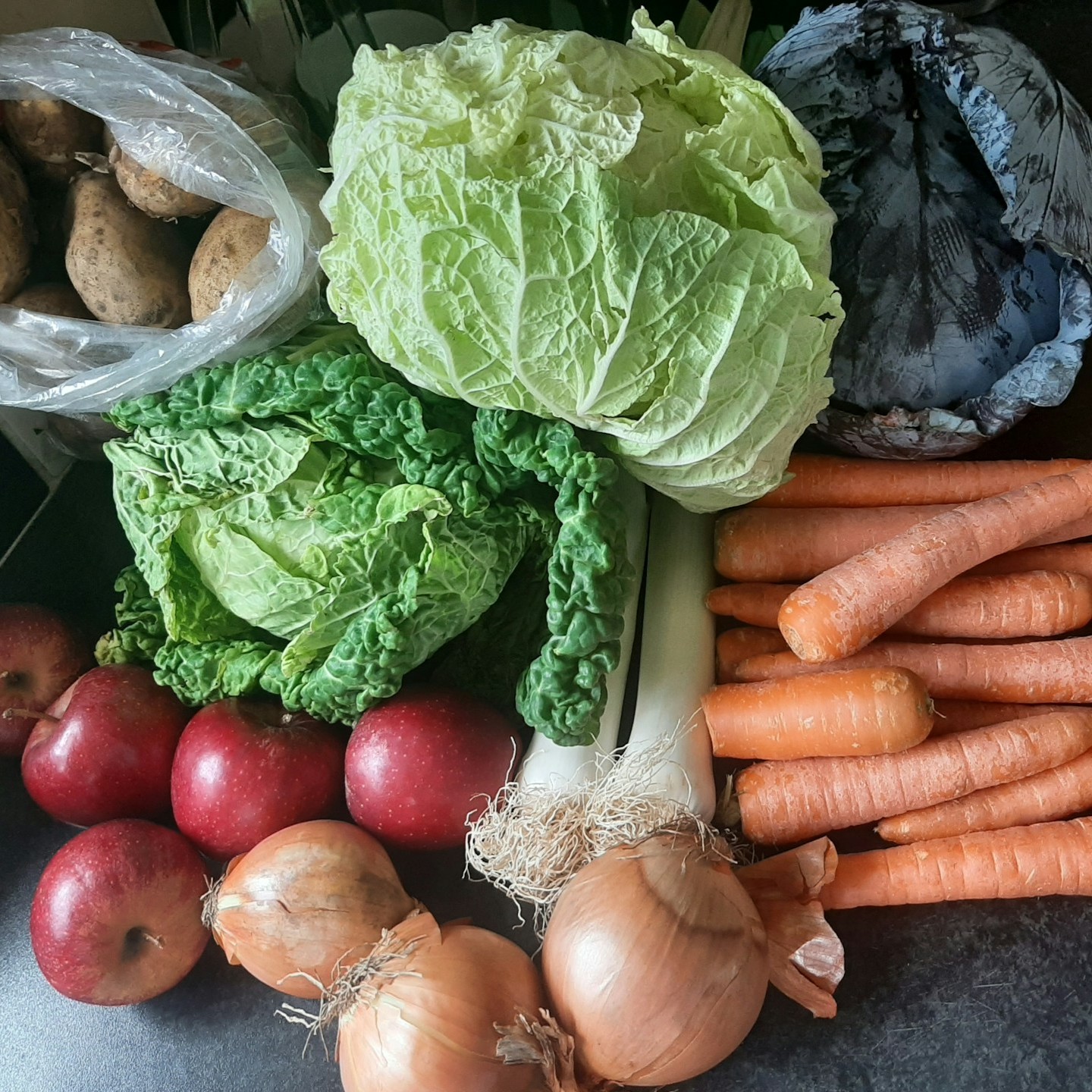
A little focused effort on a quieter day can transform your weeknight meals from stressful rushes into satisfying, low-effort plates. Meal prep and batch cooking put your food preparation skills to work on a larger scale, turning a few dedicated hours into days of easier eating.
Batch cooking doesn’t mean sentencing yourself to the same sad chicken and rice five nights running. Cook versatile base components, like a big pot of grains, a sheet pan of roasted vegetables, and a protein or two, then remix them throughout the week. Tuesday’s grain bowl with roasted sweet potatoes and tahini becomes Thursday’s stir-fry with the same sweet potatoes and some snap peas tossed over umami noodles. The ingredients do double duty while the menu feels distinct.
Here are a few strategies to build into your routine right away:
Wash and chop produce the afternoon you bring it home so it’s grab-and-go when you’re ready to cook.
Make extra sauces, dressings, and marinades. Since you’re already dirtying the bowl, doubling the batch takes minutes and cuts future prep time in half.
Freeze soups, stews, and cooked grains in flat, labeled bags for quick thawing on busy nights.
Portion cooked proteins and grains into single-serving containers so meals are grab-and-go.
The goal is simple: Meet yourself where you are, use the fundamentals above, and land in a calmer, better-fed week. Even prepping just two or three dinners in advance frees up evenings you’d otherwise spend staring into the fridge, wondering what to thaw.
Meal Prep for Entertaining
Meal prep also pays off for entertaining. Soups, braises, and baked dishes often taste better the next day after the flavors have had time to settle and deepen. Preparing the main course the night before a dinner party means you can spend the morning of the gathering on finishing touches and enjoying your guests instead of hovering over the stove.
Safe Handling and Cleaning as You Go
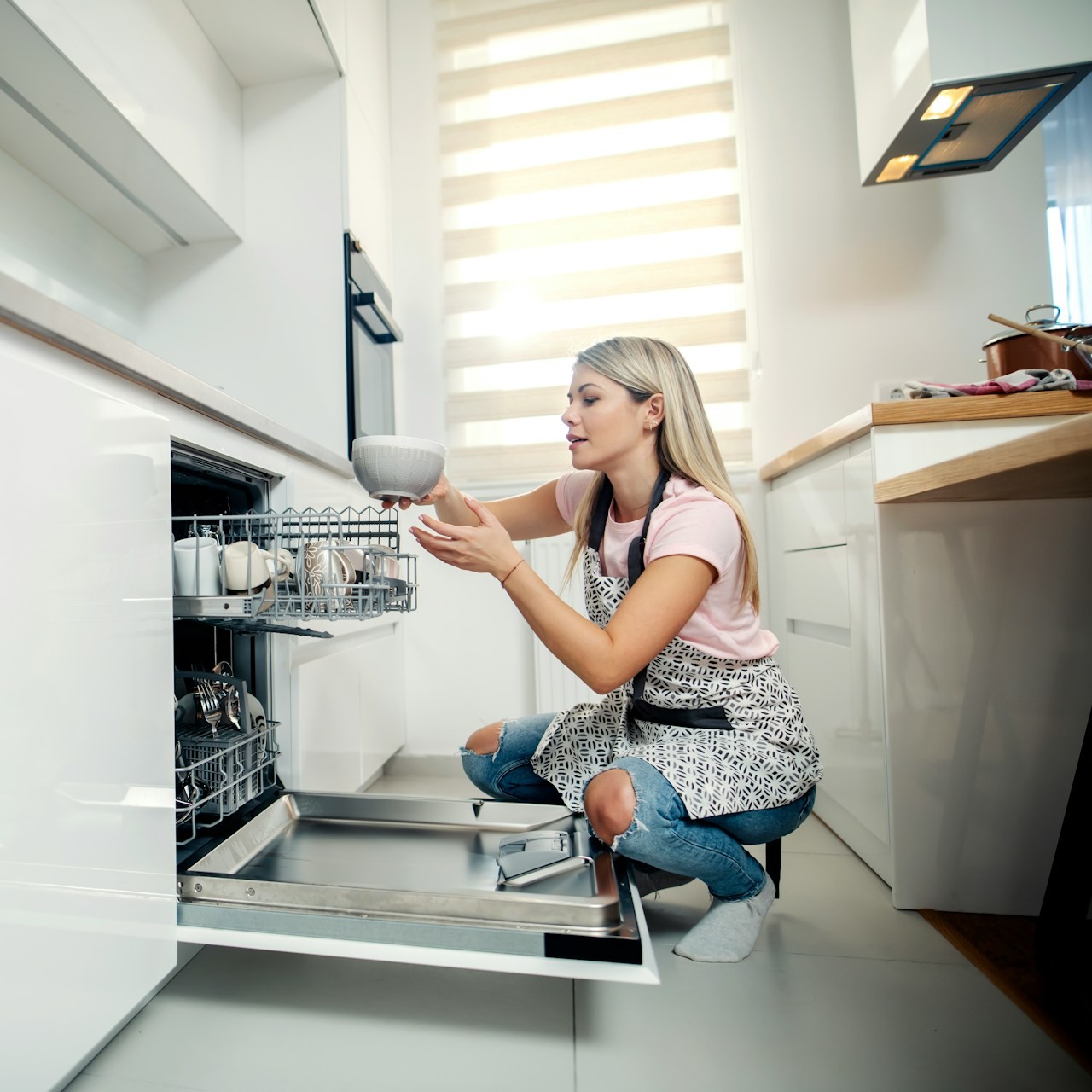
The least glamorous part of food preparation might also be the most consequential. Safe handling habits protect you and everyone who eats your food, and they’re far simpler than most people assume. A few consistent practices make a difference when you build them into your routine.
Cross-contamination is the primary concern. The USDA Food Safety and Inspection Service outlines a few non-negotiable habits that keep your kitchen safe:
Use separate cutting boards for raw meat and fresh produce.
Wash your hands with soap and water after handling raw proteins.
Sanitize counters before and after prep.
Never let raw poultry juices touch produce or cooked food.
Checking Doneness Safely
A reliable instant-read thermometer takes the guesswork out of doneness and safety. Color alone is never a trustworthy indicator of whether meat is cooked through, so reach for the thermometer every time. The USDA’s recommended minimums:
Minimum Internal Temp | Rest Time | |
|---|---|---|
Poultry (all cuts, ground) | 165°F | None required |
Ground Meats (beef, pork, lamb) | 160°F | None required |
Whole Cuts (beef, pork, lamb, veal) | 145°F | 3 minutes |
Food Storage
Proper food storage rounds out the safety picture. Refrigerate leftovers within two hours of cooking, and transfer them to airtight containers labeled with the date so nothing gets lost at the back of the fridge. The USDA’s FoodKeeper app provides specific storage timelines for hundreds of items, from cooked chicken to opened condiments. When you’re unsure if something is still safe to eat, check the app before guessing.
Cleaning as You Go
Cooking is enough of a chore; you don’t need to compound it with an hour of cleanup. A few small habits can save you some sanity:
Wash a cutting board while the onions soften.
Wipe down the counter between steps.
Load dishes directly into the dishwasher instead of piling them in the sink.
Keep a scrap bowl on the counter or the trash at your feet for easy disposal.
By the time dinner hits the table, your kitchen is nearly clean, and the post-meal effort shrinks to a quick rinse and wipe. Safety and sanitation can be woven into every stage.
From Prep to Plate
Food preparation is a collection of habits, techniques, and small decisions that turn raw ingredients into meals you’ll be proud to serve. The best part is that the pieces reinforce one another. A well-organized prep station makes your technique cleaner. Stronger technique makes your workflow faster. A faster workflow gives you room to try new things.
All details were verified at the time of publication and are subject to change without notice.



Leave a Comment
Your email address will not be published. Required fields are marked *