
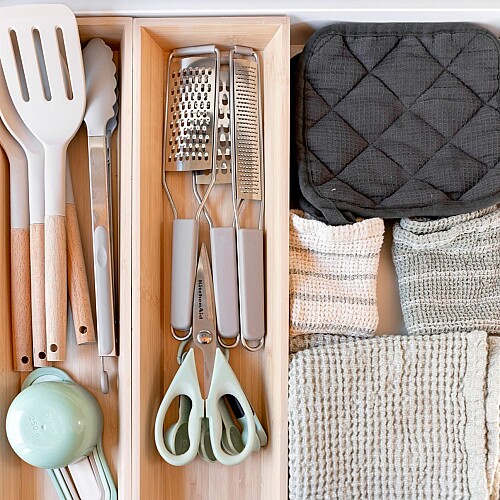
Open the average kitchen drawer, and you’ll meet a small graveyard of single-use gizmos. The avocado slicer used once. The strawberry huller. The garlic gadget that’s harder to rinse than the clove it minced. Good kitchen prep tools don’t announce themselves that way. They’re the handful of pieces your hand finds every time you cook, the ones that carry a heap of raw ingredients from board to burner.
So here’s the plan. We’ll move through the lineup in the order your hands do, from measuring to slicing to combining, then the little machines that spare your wrists, and last the humble helpers that drain and finish a dish. You’ll get honest budget and step-up picks as we go, plus a quick word on keeping it all sharp and close.
One promise before we start. It would be better to own 6 tools you trust than 20 you tolerate. Every item below earns its keep because it does real work, often, and does it well.
Starting With Measuring
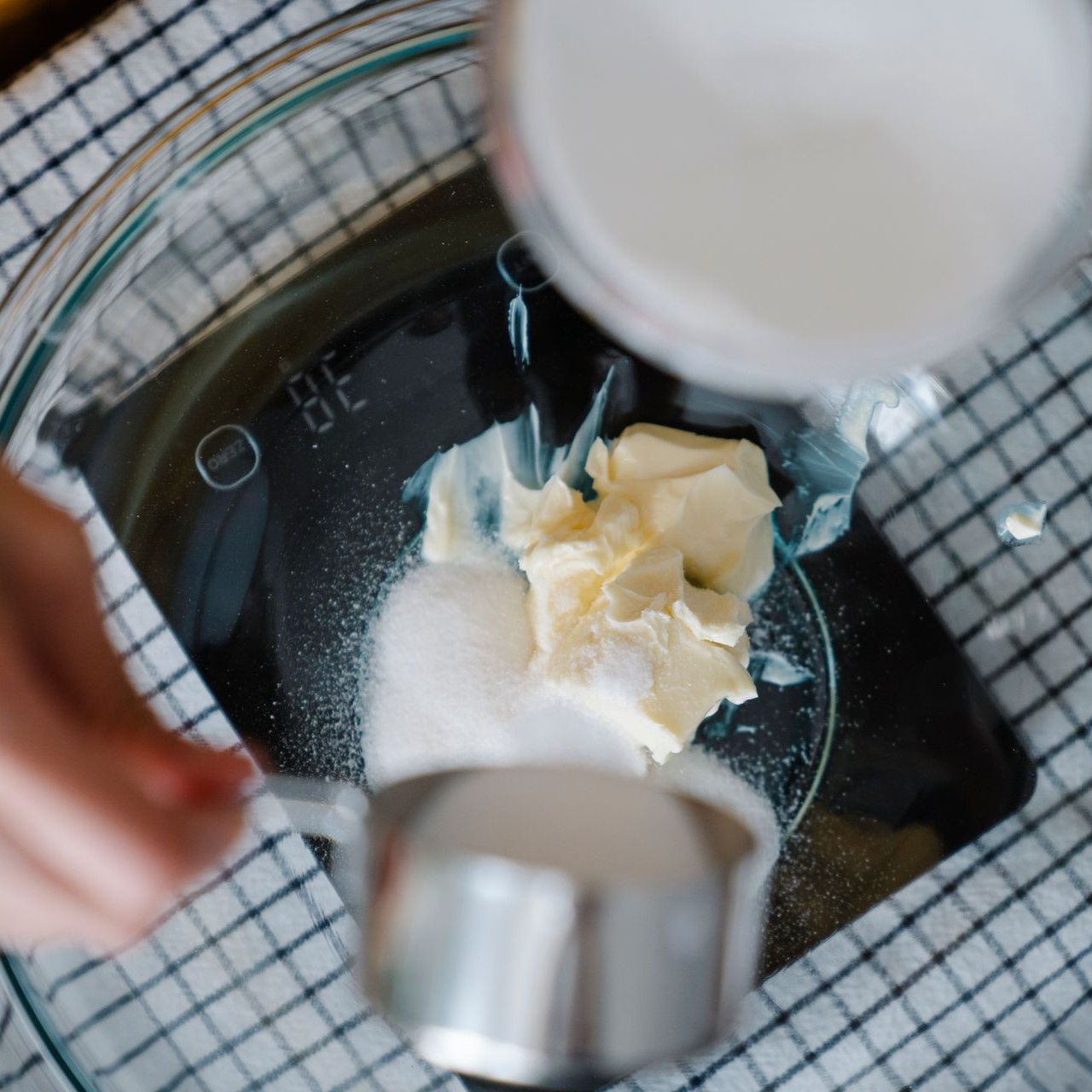
Most recipes open with an amount, so prep starts there, too. You want two kinds of cups because they aren’t interchangeable. Dry measuring cups come in a nesting set you fill to the brim and scrape flat with a straight edge. Liquid measuring cups have a spout and a printed scale you read at eye level so that water or stock settles against the line.
Add a set of measuring spoons for the small stuff, from a tablespoon of oil down to a pinch of baking soda. Metal ones survive a drawer better than thin plastic, and a slim design slides into a narrow spice jar without a spill.
Why a Scale Beats a Cup
The upgrade here is a digital kitchen scale. Weight tells the truth in a way volume can’t, since a cup of flour can vary by a quarter or more depending on how you scoop. Bakers lean on this most, but anyone splitting dough or portioning meat will feel the difference.
A model like the OXO 11-pound food scale hides a pull-out display, so a wide bowl won’t block the readout. Modern units also zero out at a tap, letting you add flour, reset, and pour in sugar over a single dish rather than dirtying three.
Cutting and Peeling
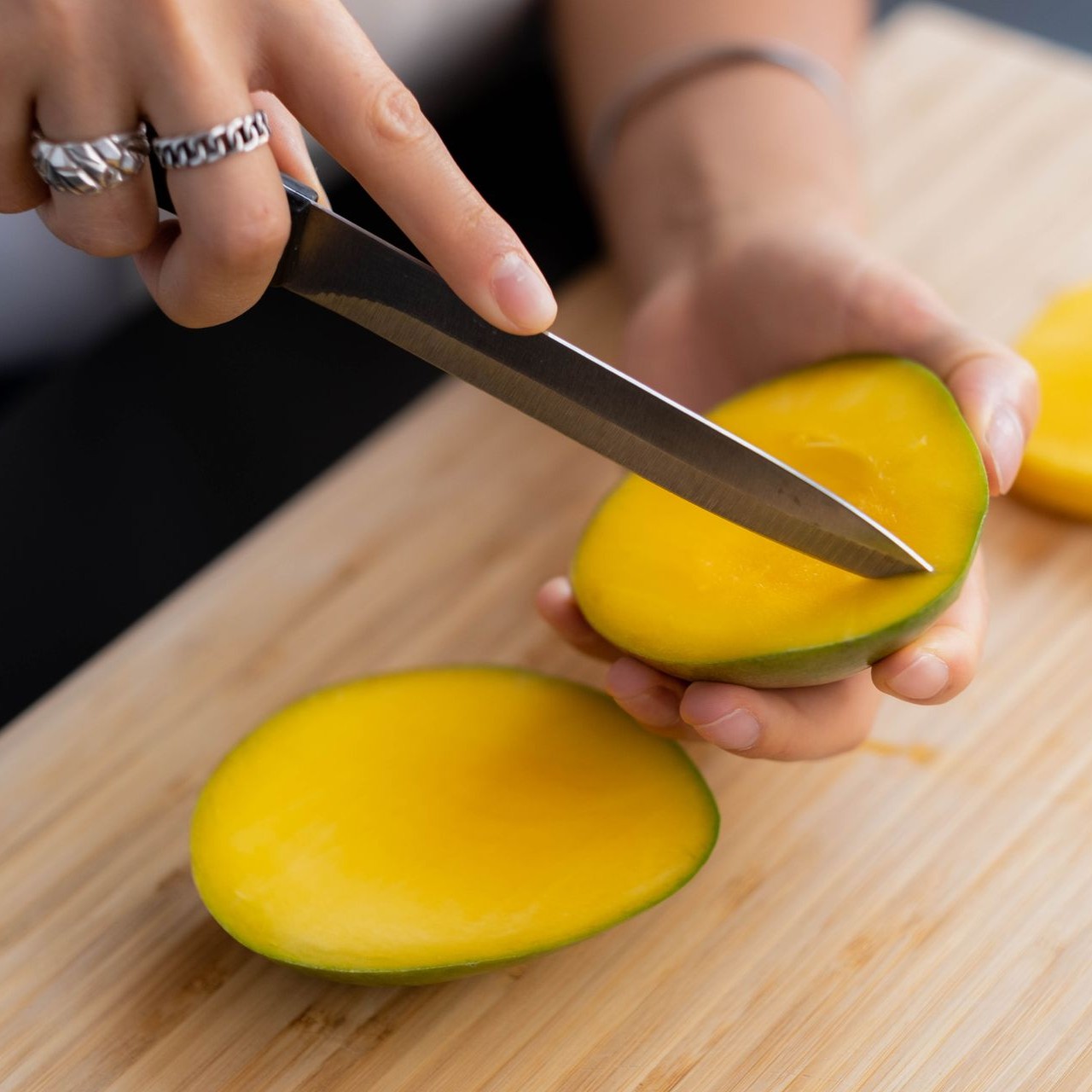
If any part of kitchen prep deserves your attention and budget, it’s this one. Sharp, comfortable blades make everything downstream faster and safer. And you need fewer knives than a knife block suggests.
The Two Blades You’ll Use Most
A chef’s knife does about 80% of the job. An 8-inch blade suits nearly every hand and every task, long enough to cut through an onion yet nimble enough to mince herbs. Hold a few before you commit because balance and grip matter more than a spec sheet.
The second is a paring knife, the little one for jobs your big blade will bully. Think trimming the top off a strawberry, cleaning shrimp, or cutting the core from a tomato in your palm. Together, these two cover nearly everything a home cook slices in a week.
What Makes a Blade Feel Right
Price tells you less than fit. Pick up a candidate and notice where the weight sits, whether the handle fills your palm, and whether the top edge of the blade digs into your finger when you pinch it near the handle. A knife with the metal running all the way through the handle carries more heft and balance.
Heavier German styles power through squash and bone, while thinner Japanese ones favor precise, delicate cuts. Neither is better, only better for you. The right match settles into your grip and lets the food take center stage.
Boards, Peelers, and the Small Stuff
Under those blades you want a real cutting board with some size to it. Wood is gentle on your knife’s edge and ages beautifully, while plastic goes in the dishwasher and wipes up after raw chicken. Many cooks keep one of each and reserve the plastic one for meat to steer juices away from salad greens. Beyond the two knives, four smaller tools belong near the board:
A swivel-bladed Y-peeler, the vegetable peeler pros prefer, glides down a carrot in a light pass and shrugs off a bruised potato spot, so park one within grabbing distance of the sink.
A microplane zester shaves bright citrus peel, garlic, and hard cheese into a fluffy drift that melts into a sauce.
Kitchen shears snip herbs, cut through chicken bones, and open stubborn packaging without dulling a blade.
A sturdy box grater is still the best tool for a mound of cheddar or a pile of shredded zucchini.
Holding and Combining
Chopping goes nowhere without somewhere to put the pieces. This is the gear that keeps a counter calm so that your diced onion isn’t sliding off the board while you peel the next thing.
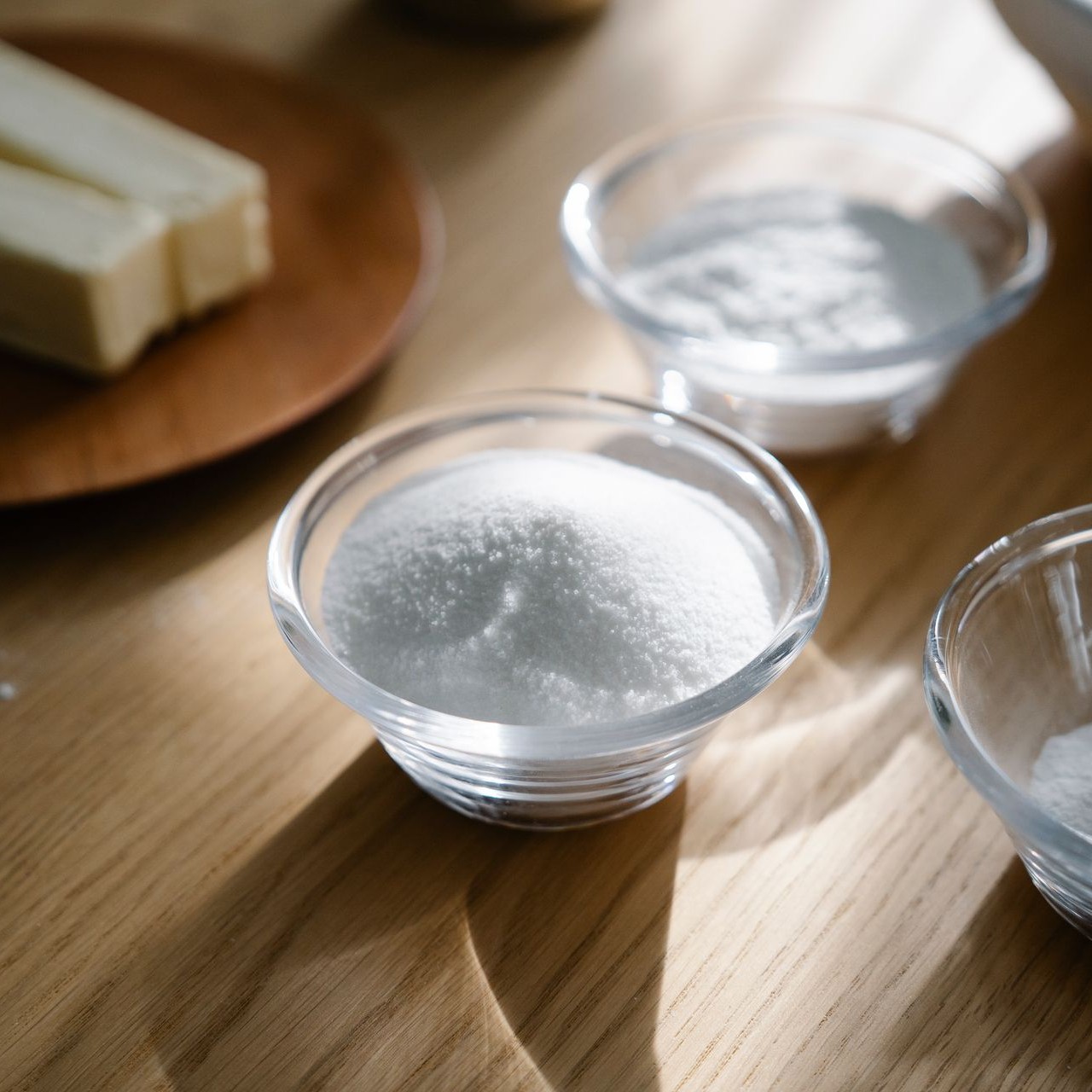
Small prep bowls hold each measured or chopped ingredient until the pan is ready. Line them up, and cooking becomes simple assembly instead of a scramble, the setup our mise en place guide walks through. A stackable option like the OXO prep bowl set nests into a single short stack in a cupboard.
You’ll also want a few larger mixing bowls in a range of sizes. Stainless steel is light, nearly indestructible, and won’t hold onions’ smell, while glass lets you see layers and goes straight into the microwave. A bench scraper rounds out the group, sweeping a cutting board clean and lifting a chopped pile in one confident scoop.
Small Appliances That Speed Prep
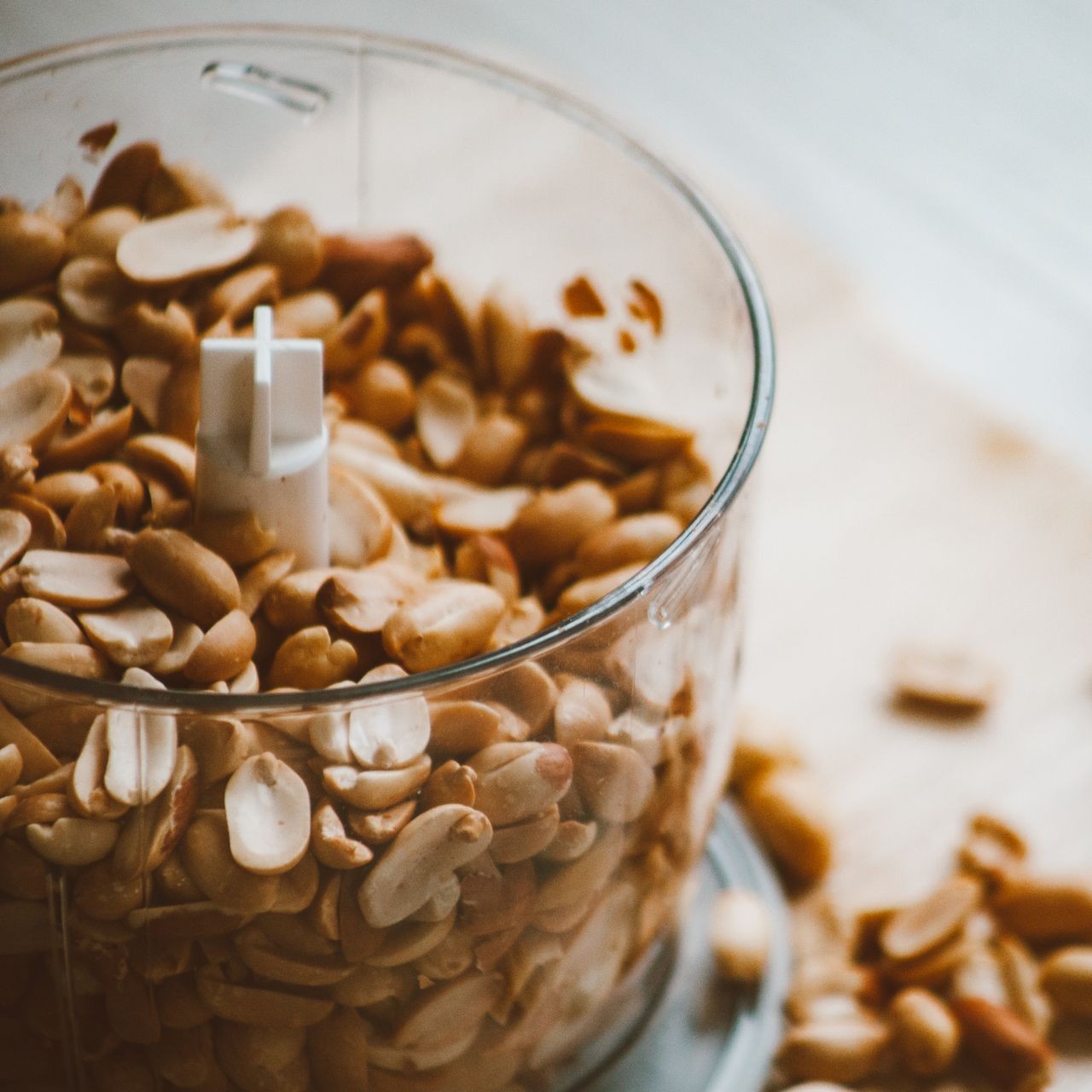
A couple of plug-in helpers do in seconds what your arm would grumble through in minutes. You don’t need a shelf of them, just the two that carry real weight in everyday kitchen prep.
A food processor is the muscle. It shreds a block of cheese, minces a pound of onions without tears, and whips hummus smooth in under a minute. Look for a bowl around 9–11 cups and a motor strong enough to handle dough, and you’ll have a machine that grows with you.
An immersion blender is the nimble partner. Because the wand dips right into the pot, you can puree a squash soup where it simmers and skip ferrying scalding liquid across the room. It tucks into a drawer, rinses in a breath, and costs far less than its full-size cousin.
A countertop blender still wins for silky smoothies and frozen drinks, where the tall pitcher and stronger motor pull everything down into the vortex, so pick the stick for pots and the jar for volume. Keep an instant-read meat thermometer nearby, too. It sits on the border between prep and cooking, yet checking a roast or a custard is easier when the probe lives with your other gear.
Draining and Finishing
Two unsung pieces close out the run. A colander drains a pot of pasta and rinses grit from a bunch of spinach or a carton of berries. Stainless steel outlasts the plastic kind and won’t warp when boiling water hits it, and a raised base keeps the holes off the sink floor.
The other is a plain can opener, the tool you never think about until beans or tomatoes stand between you and dinner. A smooth-edge model lifts the lid without leaving a jagged rim, which is a small kindness to your fingers. Since so much of what it opens lives on a shelf, it pairs naturally with the shelf-stable picks in our pantry staples guide.
A Few Tools You Can Skip
The fastest way to a tidy drawer is knowing what not to buy. Single-purpose gadgets promise a shortcut and then sit idle because the tools above already handle their one trick and a dozen others.
An avocado slicer does nothing your paring knife and a spoon can’t manage in half the time.
An egg slicer, a strawberry huller, and a banana cutter each tackle a job a sharp edge settled long ago.
A garlic press is a maybe, not a must, since the flat of your chef’s knife smashes a clove and a microplane grates it finer.
Choose multitaskers first. When a task comes up often enough that a dedicated helper truly justifies the drawer space, you’ll know, and you can add it then with no regret.
Budget Versus Upgrade Picks
You don’t need to spend big to cook well, and buying cheap isn’t the only path to a sensible budget. The trick is knowing which items reward a splurge and which ones do the same job at any price. Here’s how the core lineup breaks down.
Budget-Friendly | Worth the Upgrade | |
|---|---|---|
Chef’s Knife | A lightweight blade that holds a sharp edge for years of daily slicing. | A harder Japanese steel that stays sharper longer and feels light in the hand. |
Cutting Board | A dishwasher-safe plastic slab you can scrub hard after raw meat. | A thick wooden board that heals over small nicks and stays gentle on the blade. |
Scale | A compact battery model that reads grams and ounces and tucks in a drawer. | A higher-capacity version with a pull-out display for wide bowls. |
Prep Bowls | Any nesting set of small glass or steel dishes for holding chopped bits. | A sized set with lids that doubles as leftover storage. |
Knives show the split clearly. The Victorinox Fibrox 8-inch chef’s knife has been the go-to value pick for decades and runs about $67, a fraction of a premium blade’s price. Step up to something like the Mac MTH-80 at around $175, and you notice it in the balance and edge retention.
Prep bowls sit firmly in the save column, since a plain nesting set holds chopped carrots as well as a designer one. A scale is the middle ground that justifies a modest bump because a steadier readout and a higher ceiling pay off every time you bake. Everything else comes down to how often you’re at the stove and how much that daily feel is worth to you.
A Short List for Small Kitchens
If your counter is barely bigger than a cutting board and your cupboards are already fighting for room, this short lineup is on your side. A pared-down kit isn’t a compromise when space is tight. It’s the whole point because fewer, harder-working pieces leave you room to cook.
Nearly everything here nests or tucks away, so measuring cups stack inside one another, mixing bowls collapse into the largest, and prep dishes vanish into a single cupboard.
Each piece pulls double duty, which lets you skip the drawer stuffed with one-job gadgets, since a knife, a peeler, and a microplane cover what a dozen gizmos promise.
The immersion blender is the small-space hero, sliding into a drawer where a tall countertop model would swallow a whole shelf.
Cluster the few things you own by task, within arm’s reach, and a snug kitchen starts to feel roomier than it measures. Less gear means less clutter, and less clutter means more space to move.
Keeping Your Kitchen Prep Tools in Shape
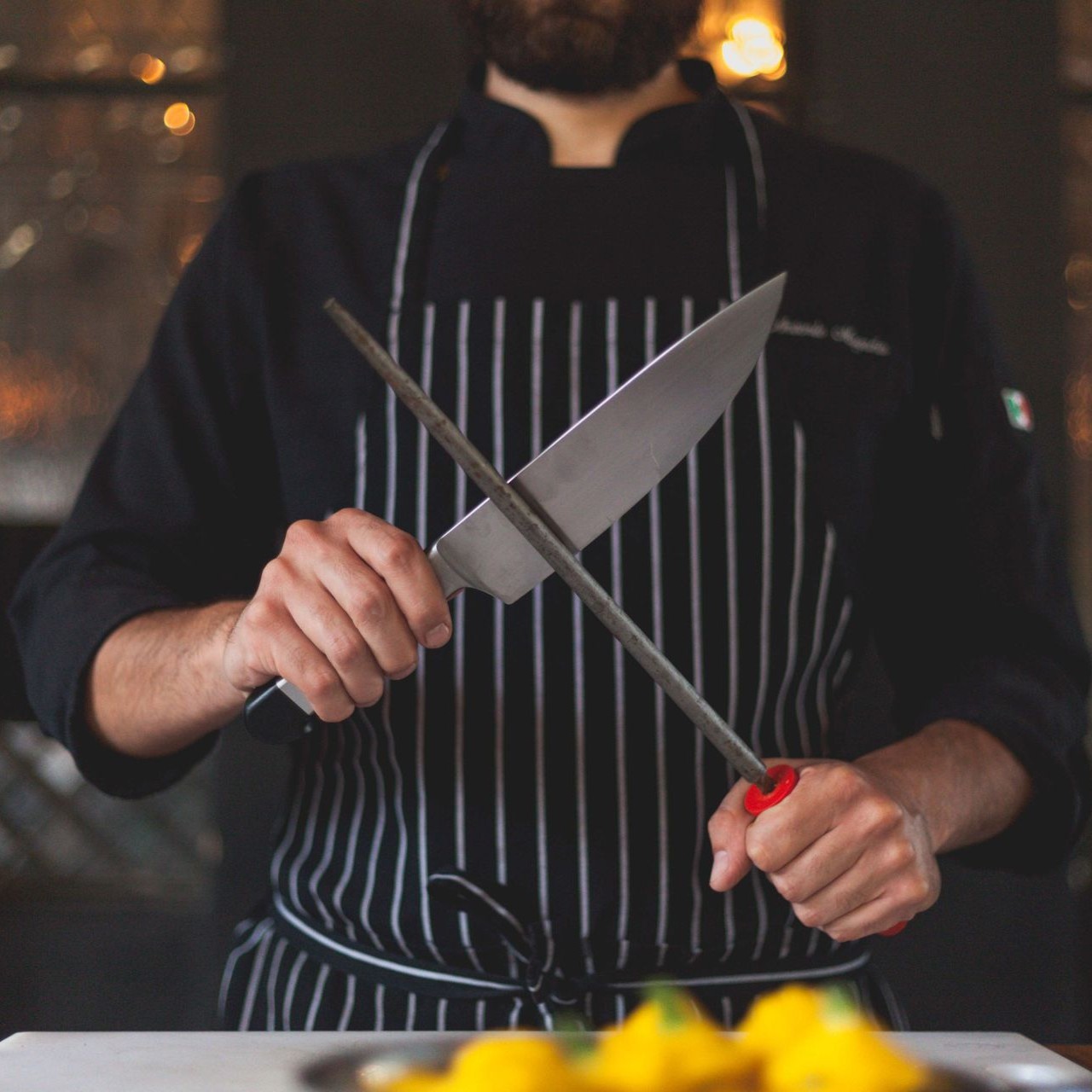
Great tools pay you back only if you look after them, and the routine is lighter than you’d guess. A few small habits keep everything performing and within reach for years.
Honing, Sharpening, and Safety
Run the blade along a honing steel, the long metal rod that comes with most knife sets, every week or so to keep the edge straight, then have it sharpened once or twice a year. This isn’t fussiness. A dull edge slides off a tomato skin and into your thumb, whereas a sharp one bites where you aim it and takes less force, which lowers the odds of a slip.
Boards, Storage, and Staying Reachable
Hand-wash a wood board, and rub in a little food-grade mineral oil now and then so it doesn’t dry out or crack. Give a good blade a proper home as well, whether that’s a magnetic strip, an in-drawer tray, or edge guards, since tossing knives loose among the spoons dulls them and nicks curious fingers.
Airtight containers keep dry goods fresh and stack cleanly, so a set in a few sizes earns its shelf. Grouping the rest of your gear by task, blades near the board and bowls beside the counter, means less rummaging in the middle of a recipe. For more on arranging a room around how you move, see our kitchen efficiency guide.
Reaching for the Right Few
Strong kitchen prep starts with a short, trusted lineup rather than a crowded drawer. Master a good knife, a couple of boards, bowls that hold your progress, and a machine or two for the heavy lifting, and you’ll cook faster and enjoy it more. Everything else is a bonus you can add once you know what you find yourself wanting.
Curious how these pieces fit the bigger picture of getting a meal on the table? Head to our food prep fundamentals guide for the full arc, from stocked shelves to a finished plate.
All product details, pricing, and availability were verified at the time of publication and may change without notice. Please confirm current information before making a purchase.



Leave a Comment
Your email address will not be published. Required fields are marked *