

Pantry staples earn their shelf space or they don’t. That jar of truffle oil you bought for one recipe? Didn’t. The bag of lentils that turns into dinner three times a month? Did. The difference between a pantry that works and one that’s just full comes down to knowing which ingredients pull their weight and which ones are taking up room.
This list is for anyone who’s ever stared at a stocked shelf and still had no idea what to cook. Whether you’re building your first kitchen from scratch or you’re an experienced cook overdue for a shelf audit, the test is the same: does this ingredient genuinely change what ends up on your plate? If it doesn’t, it doesn’t belong.
Every item here passed three filters before it made the cut. That’s what separates a pantry staple from a pantry guest.
The Three Tests
Every pantry staple here passed three tests:
Range. It works across many dishes and cuisines. The curry paste you bought for a single recipe? Doesn’t qualify.
Storage. It holds up between uses without going stale, losing potency, or becoming something you’d rather not open. Truffle oil fails here.
Outcome. It measurably changes what ends up on the plate. If a dish tastes the same without it, that ingredient doesn’t get permanent shelf space.
If you’re stocking a pantry on a budget or working with limited space, look for the ★ symbol. Those are the foundation picks, the staple ingredients that cover the most ground for the least money and shelf space. Start there, then build out as your cooking tells you what’s missing.
Dry Goods
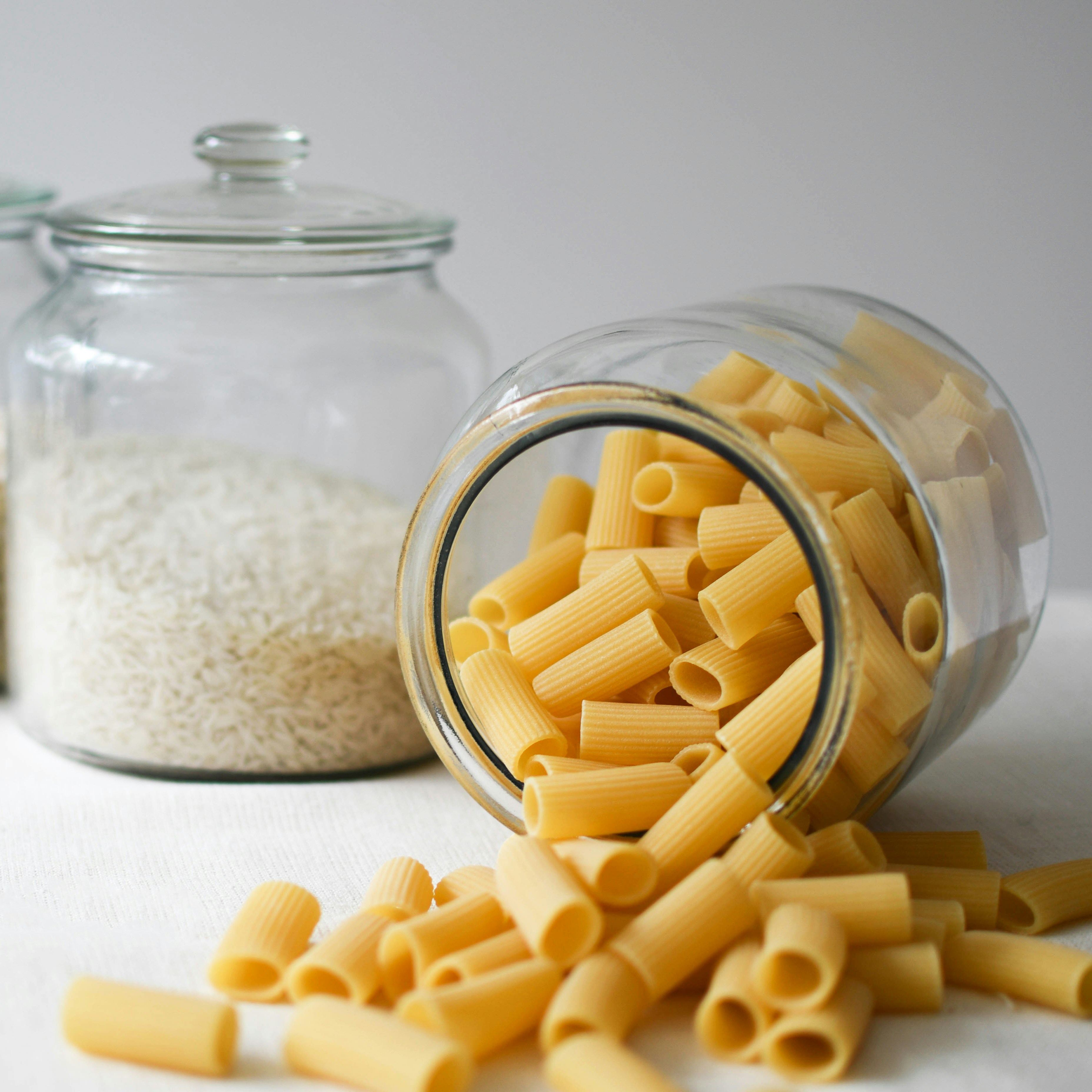
This is the biggest section in your pantry, and it should be. Grains, pasta, legumes, nuts, and spices are the workhorses that show up meal after meal without complaining. Stock up once, tuck everything into airtight containers, and they’re ready whenever you are. For the deep dive on selection, decanting, pantry organization, and keeping pests out, head to our complete dry goods guide.
Grains and Pasta
This is your meal-building foundation. Nearly every cuisine on the planet starts here, and nothing else stretches a grocery budget this far.
★ Long-Grain White Rice. The utility player of the grain world. It sits next to a curry, a stir-fry, a pot of beans, or a grain bowl without clashing with any of them. Keep a bag of jasmine or basmati on hand for the fragrant lift South Asian and Southeast Asian dishes need. Shelf life: 2 years unopened; 1 year after opening.
Brown Rice. More fiber and a nuttier bite than white rice, but the bran that gives it those perks also makes it go rancid faster. Buy smaller quantities and use them up rather than stockpiling. Shelf life: 6 months at room temperature; up to 1 year refrigerated.
★ Dried Pasta. The patron saint of the nearly empty fridge. Toss it with olive oil and garlic, build a proper sauce around it, or stretch a small amount of protein into a full meal. It doesn’t judge your ambition level. Shelf life: 2 years unopened.
Breadcrumbs. They coat cutlets, bind meatballs, and give gratins that golden top you can’t get any other way. Panko delivers a lighter, crispier crunch. Keep both if you have the room. Shelf life: 6 months unopened.
★ Rolled Oats. Beyond the obvious oatmeal duty, oats quietly bind veggie burgers, meatballs, and meatloaf without muscling in on the flavor. They also handle overnight oats, crumbles, and granola without breaking a sweat. Shelf life: 1 year unopened; 6–12 months after opening.
Cornmeal. The base for cornbread and polenta, and as a coating for fried fish or chicken, it delivers a crunch breadcrumbs can’t touch. Yellow and white are interchangeable for most recipes, so grab whichever your store stocks. Shelf life: 6–12 months unopened; 1 year after opening.
Dry Beans and Legumes
Dried legumes cost pennies per serving, store for years, and deliver protein and fiber that grains can’t match on their own.
★ Lentils. The fastest legume in the pantry. No soaking, 20 minutes on the stove, and they’re ready for soups, salads, curries, and sides. Red lentils dissolve into sauces and dals. Green and brown hold their shape. A budget-friendly protein source that takes up almost no room. Shelf life: 1–2 years unopened.
Dried Chickpeas. Hummus, falafel, curries, grain bowls, and roasted as a crunchy snack. Dried chickpeas, also known as garbanzo beans, have a firmer, creamier texture than canned once you cook them, and a single bag yields more than several cans for a fraction of the cost. Soak overnight or use a pressure cooker to skip the wait. Shelf life: 2–3 years unopened.
Multi-Bean Soup Mix. A bag of mixed dried beans covers navy, pinto, kidney, black, and lima in one purchase. Drop it into a slow cooker with broth and aromatics and you’ve got a pot of soup that feeds a crowd for the cost of a few cans. Shelf life: 1–2 years unopened.
Starches and Thickeners
Three powders, three different jobs. Each one thickens, but the way they do it and what they bring to the finished dish are distinct enough to justify all three on the shelf.
★ Cornstarch. The most versatile thickener in the pantry. It thickens sauces, gravies, and pie fillings faster and cleaner than flour, and it adds crispiness when coating proteins for frying or air frying. It carries a slight starchy flavor that needs to be cooked out, but it holds up well through long, slow simmers. Always dissolve it in cold water before adding to a hot liquid. Shelf life: 18–24 months unopened; 18 months after opening.
Tapioca Starch. Where cornstarch sets firm, tapioca adds stretch and a glossy, slightly chewy texture. That’s what makes it the right choice for fruit pie fillings that need to hold together without turning rigid, and for anything where you want a little bounce. Shelf life: 1–2 years unopened.
Potato Starch. Completely flavorless and odorless, even at high amounts, which makes it the thickener that stays invisible. It’s also economical and works well in gluten-free baking, frying batters, and any sauce where you need thickening power without altering the taste. Shelf life: 1–2 years unopened.
Nuts, Seeds, and Dried Fruit
These pull double duty between the snack bowl and the cutting board. Store them in airtight containers to keep the oils from turning.
Almonds. Raw in a snack bag, toasted onto a salad, or sliced over roasted vegetables for texture. One of the most versatile nuts in a savory kitchen, not just a trail-mix filler. Shelf life: 1 year in the pantry; up to 2 years refrigerated.
★ Walnuts. Rich in baked goods, excellent in salads, essential in a walnut pesto that’ll make you forget pine nuts exist. Their higher oil content means they turn faster than most nuts, so buy small and use often. Shelf life: 6 months in the pantry; 1 year refrigerated.
Pumpkin Seeds (Pepitas). Crunch for salads, granola, and roasted vegetables at a fraction of what most nuts cost. A quick toast in a dry pan wakes up the flavor before they hit the plate. Shelf life: 3 months in the pantry; 1 year refrigerated.
Sunflower Seeds. Budget-friendly, allergen-friendly, and more versatile than they get credit for. Toss them into grain salads, top a soup, fold them into granola, or blend them into a seed butter if tree nuts aren’t an option. Shelf life: 2–3 months in the pantry; up to 1 year refrigerated.
Dried Cranberries. Tart enough to balance rich or savory dishes, sweet enough for baked goods and oatmeal. They earn their spot in grain salads where raisins would be too one-note. Shelf life: 6 months to 1 year unopened.
★ Raisins. More range than they get credit for. They plump in a warm pan sauce, add sweetness to a savory rice pilaf, and quietly hold together trail mixes, baked goods, and oatmeal for a fraction of what fancier dried fruit costs. Shelf life: 6 months to 1 year unopened; up to 1 year refrigerated.
Herbs, Spices, Seasonings, and Aromatics
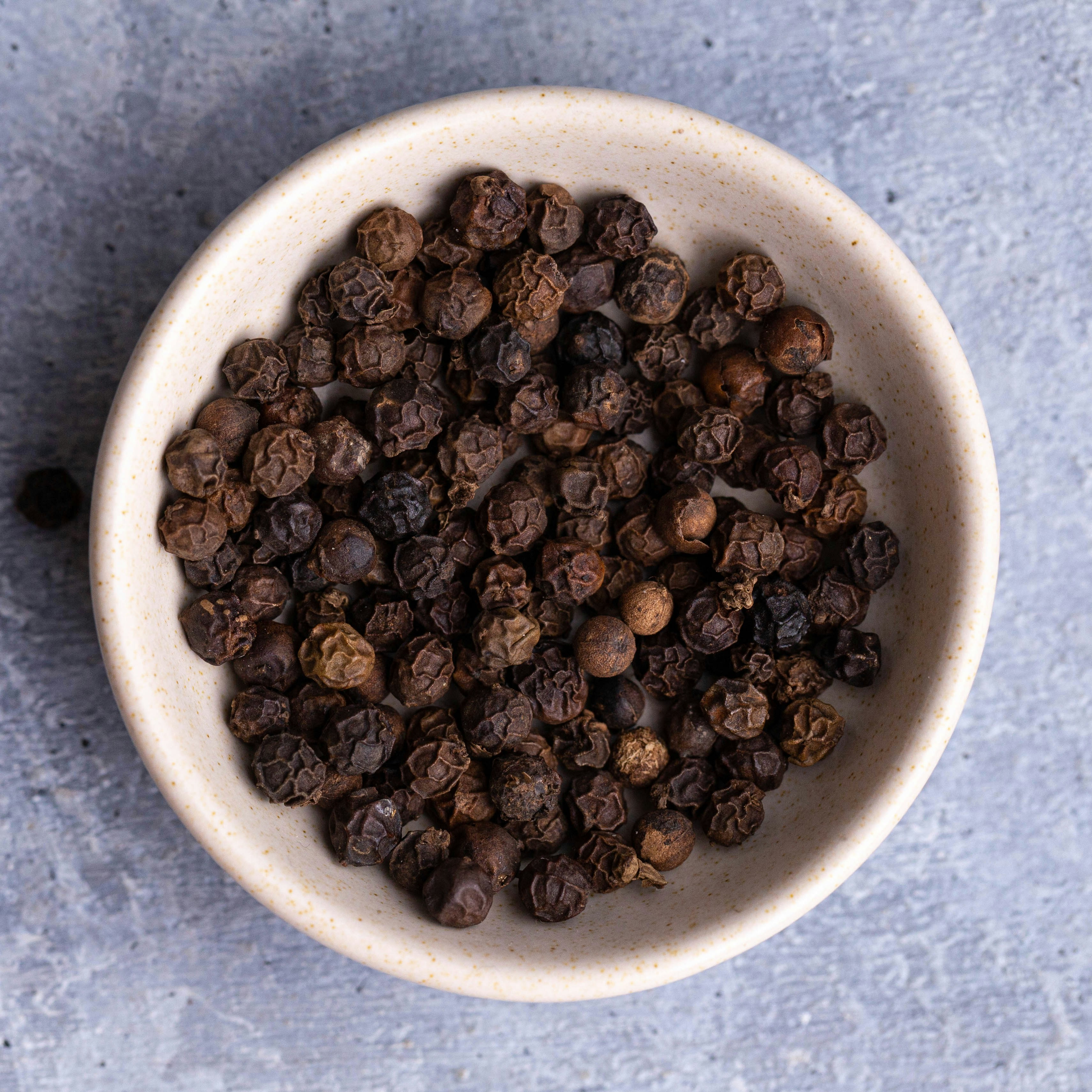
This is where a base ingredient becomes a finished dish. A small, well-chosen set covers more ground than a spice rack full of jars you bought three apartments ago. Replace anything past its use-by date or anything that smells like dust. Fresh spices are a different ingredient entirely.
★ Kosher Salt. The cook’s salt. Coarse grains let you season by feel, and the clean mineral content stays out of the way of whatever you’re building. Shelf life: indefinite.
★ Black Peppercorns. Pre-ground pepper loses its aromatic oils the moment the peppercorn cracks, leaving heat with almost no flavor after a few weeks. Whole peppercorns hold those oils until you grind them. A basic grinder runs under $20 and pays for itself the first time you crack pepper over a warm dish. Shelf life: 3–4 years.
★ Garlic Powder. Handles dry rubs and high-heat cooking where fresh garlic would scorch, and it distributes through spice blends without adding moisture. Not a replacement for fresh, but a different tool entirely. Shelf life: 3–4 years.
★ Onion Powder. Builds the same savory foundation fresh onion does, without the chopping, the tears, or the uneven distribution in a dry rub. Shelf life: 3–4 years.
Dried Minced Onion. Does something onion powder can’t: it rehydrates into visible, textured pieces in soups, stews, casseroles, and dips. Think of it as the middle ground between powder and fresh. Shelf life: 3–4 years.
Crushed Red Pepper Flakes. Heat for pasta, pizza, braises, and stir-fries, with each person at the table controlling the dial. Bloom them in oil for even warmth, or toss them in at the end for a sharper bite. Shelf life: 3–4 years.
★ Cumin. The spice that anchors Mexican, Indian, Middle Eastern, and North African cooking. It’s in your taco seasoning, your hummus, your chili, and your curry. Few single spices cover this many cuisines. Shelf life: 3–4 years.
Chili Powder. A blend that typically combines dried chiles, cumin, garlic powder, and oregano into one scoop. It carries chili, taco filling, dry rubs, and roasted vegetables. Check the label, because heat levels vary widely between brands. Shelf life: 3–4 years.
Dried Oregano. Survives braises and slow simmers that would turn a fresh sprig bitter and lifeless. It anchors Italian, Greek, and Mexican cooking with equal confidence. Shelf life: 1–2 years.
Dried Thyme. Holds its earthy, slightly floral character through long cooking times, which makes it the first herb to reach for in stews, roasted vegetables, and braised meats. Shelf life: 1–2 years.
Dried Basil. Loses some of the bright sweetness its fresh counterpart carries, but it still does honest work in tomato sauces, soups, and Italian dishes when fresh isn’t in the fridge. Add it early so it has time to rehydrate and open up. Shelf life: 1–2 years.
Dried Parsley. It won’t match fresh for brightness, but it adds color and a clean, mild flavor to soups, sauces, and spice blends where fresh parsley would wilt before the dish is done. Shelf life: 1–2 years.
Dried Sage. Earthy, slightly peppery, and one of the rare herbs whose flavor actually concentrates in the drying process. A little goes a long way in poultry seasoning, stuffing, and roasted squash. Shelf life: 1–2 years.
★ Bay Leaves. Drop one or two into a pot of soup, beans, or a braise and let them work quietly. They don’t shout, but pull them out and you’ll notice what’s missing. Remove before serving. Shelf life: 1–3 years.
Smoked Paprika. Wood-fire flavor without a grill, a smoker, or a backyard. Works in spice rubs, roasted vegetables, stews, hummus, scrambled eggs, and pasta. If you had to pick one “secret weapon” spice, this is a strong candidate. Shelf life: 3–4 years.
Nutritional Yeast. A savory, cheesy flavor for popcorn, pasta, and vegan sauces without a gram of dairy. A spoonful stirred into a cashew-based sauce does real parmesan-replacement work, and the B vitamins make it more than a flavor trick. Shelf life: 2 years unopened; 1 year after opening.
Ground Cinnamon. One of the few spices that crosses sweet and savory without hesitation. Apple pie, banana bread, Moroccan tagines, chili. Most supermarket cinnamon is Cassia. Ceylon is the more delicate variety, better in custards and drinks where cinnamon plays a supporting role rather than the lead. Shelf life: 3–4 years.
Worth Paying Extra: Dried spices lose potency faster than people realize. Buy from a store with high turnover, check color and smell before you commit, and replace anything that smells like nothing. A fresh jar is a different ingredient from the one that’s been sitting on the shelf since you moved in. Burlap & Barrel is worth bookmarking for single-origin quality that puts grocery-store jars to shame.
Rice is also worth being picky about. Lundberg Family Farms consistently cooks up fluffy rather than mushy, and the brand carries basmati, jasmine, and brown varieties, so one trusted name covers most of what you need on this shelf.
Canned Goods
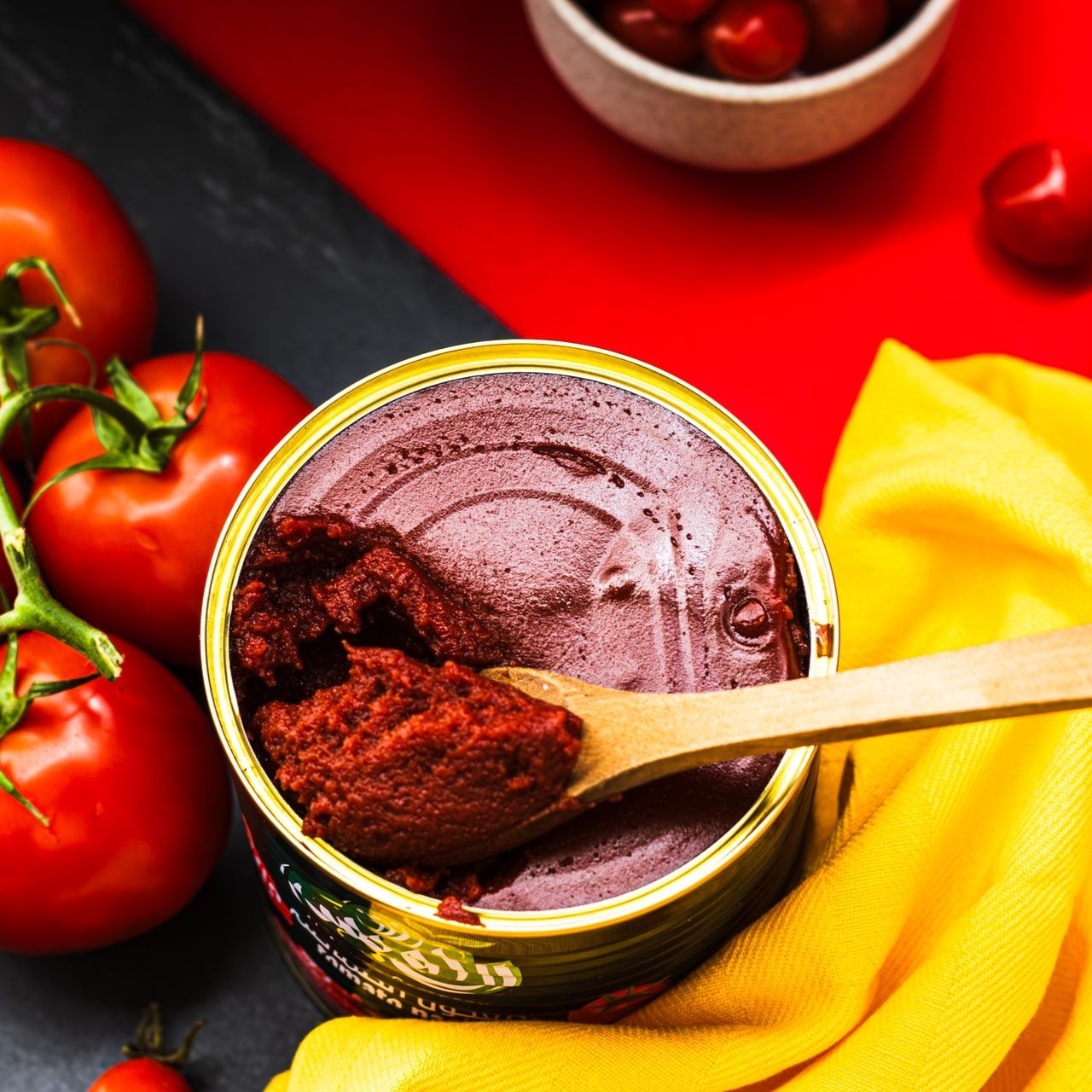
Cans, jars, and cartons do the heavy lifting fresh ingredients can’t always manage on a weeknight. This is the category that separates a dish that tastes finished from one that’s missing something you can’t quite name. For the full lineup, including shelf-stable proteins, produce, milks, and a rotation system to cut food waste and keep everything current, see our canned goods guide.
Produce
★ Canned Whole or Diced Tomatoes. These start more weeknight dinners than anything else in the pantry. Pasta sauces, braises, soups, shakshuka. They cross Italian, Mediterranean, Middle Eastern, and Latin American cooking without missing a beat. Shelf life: 12–18 months unopened.
★ Tomato Paste. A full can’s worth of tomato flavor concentrated into a single spoonful, without the liquid. Brown a small amount in hot oil before anything else goes in the pot, and you’ll taste the difference immediately. Shelf life: 27 months unopened; 5 days after opening (refrigerated); 2–3 months frozen.
Canned Corn. Adds a sweet crunch to chowders, salads, and quick sides with zero prep, and its low acidity gives it one of the longest shelf lives of any canned vegetable you’ll buy. Shelf life: 2–5 years unopened.
Canned Peaches. Cobbler or crisp in minutes, oatmeal or yogurt topper when fresh fruit is out of season, and they hold their sweetness far longer than the produce aisle version ever will. Shelf life: 1–2 years unopened.
Apple Pie Filling. Cobbler, turnovers, danish, or a crisp in the time it takes to preheat the oven. It also works as a topper for oatmeal, yogurt, and pancakes when fresh fruit isn’t around. Not the flashiest can on the shelf, but it earns its spot. Shelf life: 1–2 years unopened.
Proteins
Canned Tuna. Sandwich to salad to pasta to casserole, all without a trip to the store, and it delivers real protein for the price of a can. Look for pole-and-line or troll-caught on the label if sustainability matters to you. Shelf life: 2–5 years unopened; 3–4 days after opening (refrigerated).
Beans and Legumes
★ Canned Beans. Hours of soaking and simmering, compressed into a five-minute step. Main protein in vegetarian dishes, supporting cast in soups, stews, salads, and dips. Dried bean purists will object. They’re not wrong, just slower. Shelf life: 2–5 years unopened.
Broths and Bases
★ Broth or Stock. Gives rice, pan sauces, and soups a depth that water simply can’t replicate. Rice cooked in broth tastes intentional. A pan sauce built on stock barely needs seasoning. Shelf life: package’s use-by date.
Bouillon. Cubes, powder, or paste that turn hot water into stock in seconds, taking up a fraction of the shelf space liquid broth requires. Crumble it into rice, beans, soups, and sauces anywhere you need more depth than water alone provides. Shelf life: 2–4 years unopened, depending on form.
Coconut Milk. Builds the base of a curry, enriches a soup, stands in for dairy when you need something dairy-free. Shake or stir before using, because the cream separates in the can and you want all of it. Shelf life: 2 years unopened; 4–6 days after opening (refrigerated).
Worth Paying Extra: Not all canned tomatoes are created equal, and this is one place where a couple extra dollars shows up on the plate. A genuine San Marzano has noticeably less watery liquid and a rounder, sweeter flavor that carries through whatever you cook it in. Fair warning: not every can labeled San Marzano actually is. Look for the DOP seal. La Valle San Marzano DOP prints its certification number right on the can.
Baking Essentials
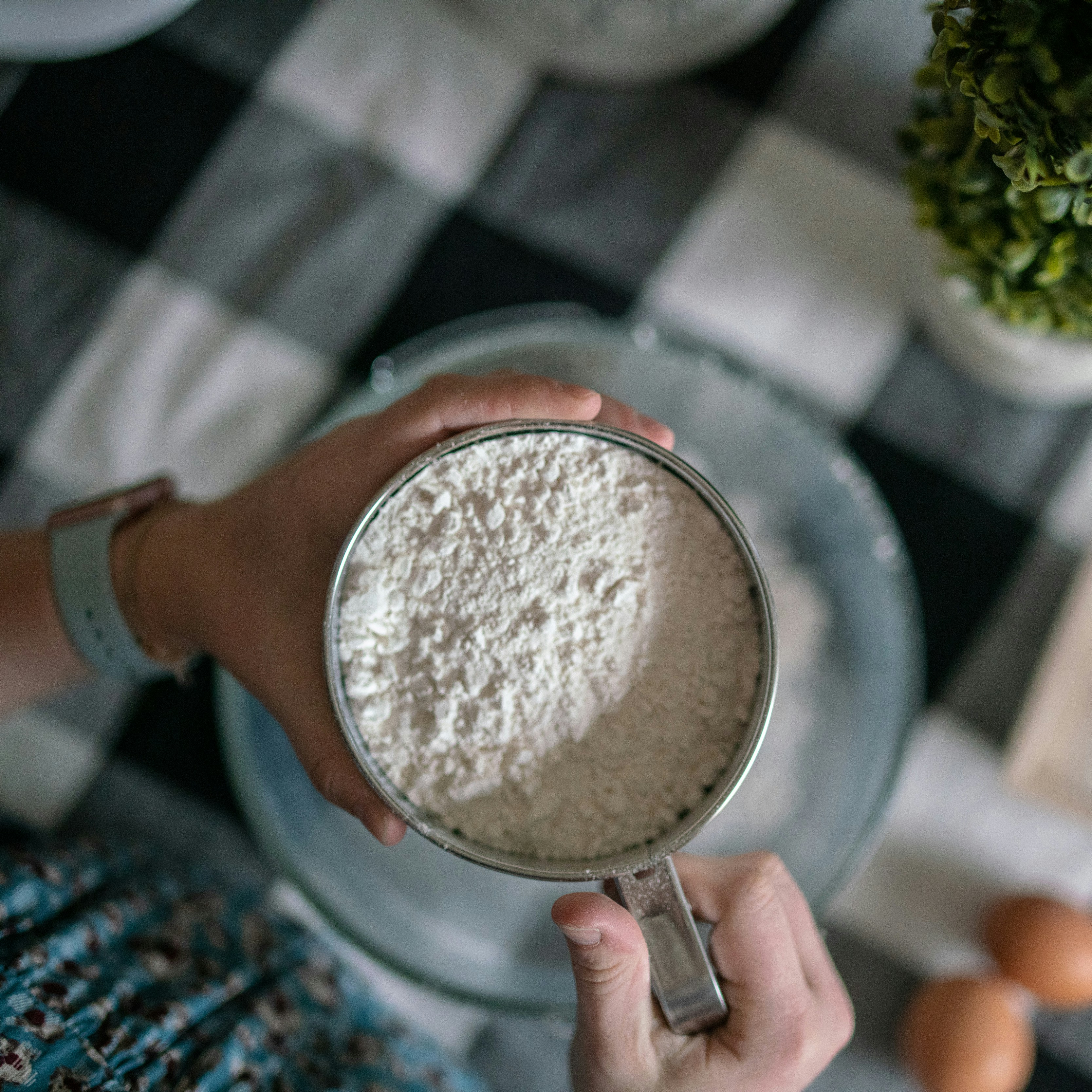
This category of pantry staples stays deliberately practical. Most home cooks bake occasionally rather than constantly, and specialty ingredients bought for a single recipe have a way of haunting the shelf for years. These pantry essentials cover the widest range of baking with the smallest footprint. For the full baking pantry, including alternative flours, specialty sweeteners, and more, head to our baking essentials guide.
Flour and Leaveners
The backbone of anything that rises, sets, or crusts.
★ All-Purpose Flour. Most baking recipes are built around it, and swapping in bread or cake flour changes the protein content and the structure of whatever you’re making. Beyond baking, it thickens sauces, coats proteins for dredging, and makes a quick roux. Shelf life: 6 months to 1 year unopened; 6–8 months after opening.
★ Baking Soda. A leavening agent that activates when it meets an acid. It produces CO₂ for lift, but it also raises the pH of a batter, which is what drives browning and crispness in cookies, chocolate cake, and anything you want deep color on. Buttermilk, lemon juice, yogurt, vinegar, and natural cocoa powder all trigger it. Shelf life: 2–3 years unopened; 6 months after opening.
★ Baking Powder. Makes cakes, biscuits, and muffins rise without needing buttermilk, citrus, or yogurt in the recipe. Test it in hot water before you rely on it. If it doesn’t bubble vigorously, it’s done. Shelf life: 6–18 months unopened; 3–6 months after opening.
★ Active Dry Yeast. A living leavener, and the one item on this list that needs a quick freshness check before you commit. Proof it in warm water with a pinch of sugar. If it doesn’t foam within ten minutes, it’s spent, and your bread will be a brick. Shelf life: 2 years unopened; 4 months after opening (refrigerated).
Baking Fats and Oils
Baked goods need their own fats, separate from what you cook savory meals with.
★ Neutral Oil. Any oil with a mild flavor and a high smoke point. Canola, grapeseed, and vegetable oil are the usual suspects. Use it wherever olive oil would burn or taste out of place, and in baked goods that call for a liquid fat. Shelf life: 6 months to 1 year unopened; 3–5 months after opening.
Coconut Oil. Solid at room temperature, which makes it the right shortening substitute for vegan baking, and its faint sweetness works in certain cookies and quick breads. Shelf life: 3 years unopened; no refrigeration required.
Vegetable Shortening. 100% fat, zero water content, which is exactly what gives pie crusts their flake and certain cookies their structure. Shelf-stable at room temperature, unlike butter, which makes it the practical pantry option for recipes that call for solid fat. Shelf life: 2 years unopened; 1 year after opening.
Sweeteners
Sugar isn’t the only sweetener worth keeping stocked, but it’s the one you can’t fake.
★ Granulated Sugar. Does far more than sweeten. It traps air during creaming, promotes caramelization, and retains moisture in ways substitute sweeteners can’t replicate. It’s also the base for two other pantry sweeteners if you’re willing to DIY: blend it in a food processor for powdered sugar, or mix it with molasses for light or dark brown sugar. Shelf life: indefinite unopened; 18–24 months after opening (it doesn’t really spoil).
Honey. Doesn’t spoil. Ever. And it does more than sweeten tea. Use it to balance a vinaigrette, finish a roasted vegetable, or swap it into baking for moisture that sugar alone can’t deliver. Shelf life: indefinite.
Maple Syrup. Real maple syrup, not the corn-syrup imitation, brings character to glazes, dressings, and baked goods anywhere you want sweetness with a little more personality. Check the label. If the first ingredient isn’t maple syrup, put it back. Shelf life: 1 year unopened; 1 year after opening (refrigerated).
Molasses. Dark, rich, and slightly bitter in a way that gives depth to gingerbread, baked beans, barbecue sauces, and spice cookies. It’s also an ingredient in its own right: mix a tablespoon into a cup of granulated sugar and you’ve made light brown sugar. Two tablespoons gets you dark. That trick alone saves a trip to the store. Shelf life: 1–2 years unopened; 6 months after opening.
Baking Mixes
A good mix isn’t a shortcut. It’s a head start. Each one covers far more than the recipe printed on the box.
Pancake Mix. Really a flour, leavener, and salt starter kit in disguise. Beyond pancakes, it turns into waffles, biscuits, muffins, and a quick banana bread with only a few extra ingredients. Shelf life: 6–12 months unopened; 3 months after opening.
Biscuit Mix. Biscuits, dumplings, shortcakes, cobbler toppings, and coffee cakes, all from the same box. It collapses the measuring step for recipes where you’d otherwise be scooping flour, cutting fat, and sifting leavener. Shelf life: 6–12 months unopened; 3 months after opening.
Yellow Cake Mix. The obvious use is cake, but it’s also the base for dump cakes, cake pops, cookie bars, and a handful of desserts that rely on the mix doing the structural work while you add the flavor. Shelf life: 12–18 months unopened.
Brownie Mix. Brownies in under an hour with almost no cleanup, plus a starting point for cookie bars, brownie-bottom cheesecake, and layered desserts. For a box that costs a few dollars, the range is hard to beat. Shelf life: 12–18 months unopened.
Extracts
A few small bottles that punch well above their size.
★ Pure Vanilla Extract. Carries dozens of flavor compounds that imitation vanilla, built around a single synthesized chemical, simply can’t match. The gap is widest in custards, cakes, and cookies where vanilla is the star rather than a background player. Shelf life: indefinite.
Almond Extract. Intensely concentrated, so a quarter teaspoon does real work. It lifts cherry desserts, almond cakes, biscotti, and sugar cookies with a warm, nutty sweetness vanilla can’t replicate. Use it sparingly or it takes over. Shelf life: 3–4 years unopened; indefinite if pure.
Lemon Extract. Delivers bright citrus flavor without the moisture fresh lemon juice adds, which matters in frostings, glazes, and delicate batters where extra liquid would throw off the structure. It also holds its punch through baking heat better than zest alone. Shelf life: 3–4 years unopened.
Worth Paying Extra: Pure vanilla extract is the one upgrade this category consistently rewards. Look for “pure vanilla extract” on the label, check that it lists Madagascar or Bourbon vanilla, and look for a deep amber color. Anything pale or suspiciously cheap is likely synthetic in a nicer bottle. Nielsen-Massey Madagascar Bourbon is the benchmark.
Condiments and Spreads
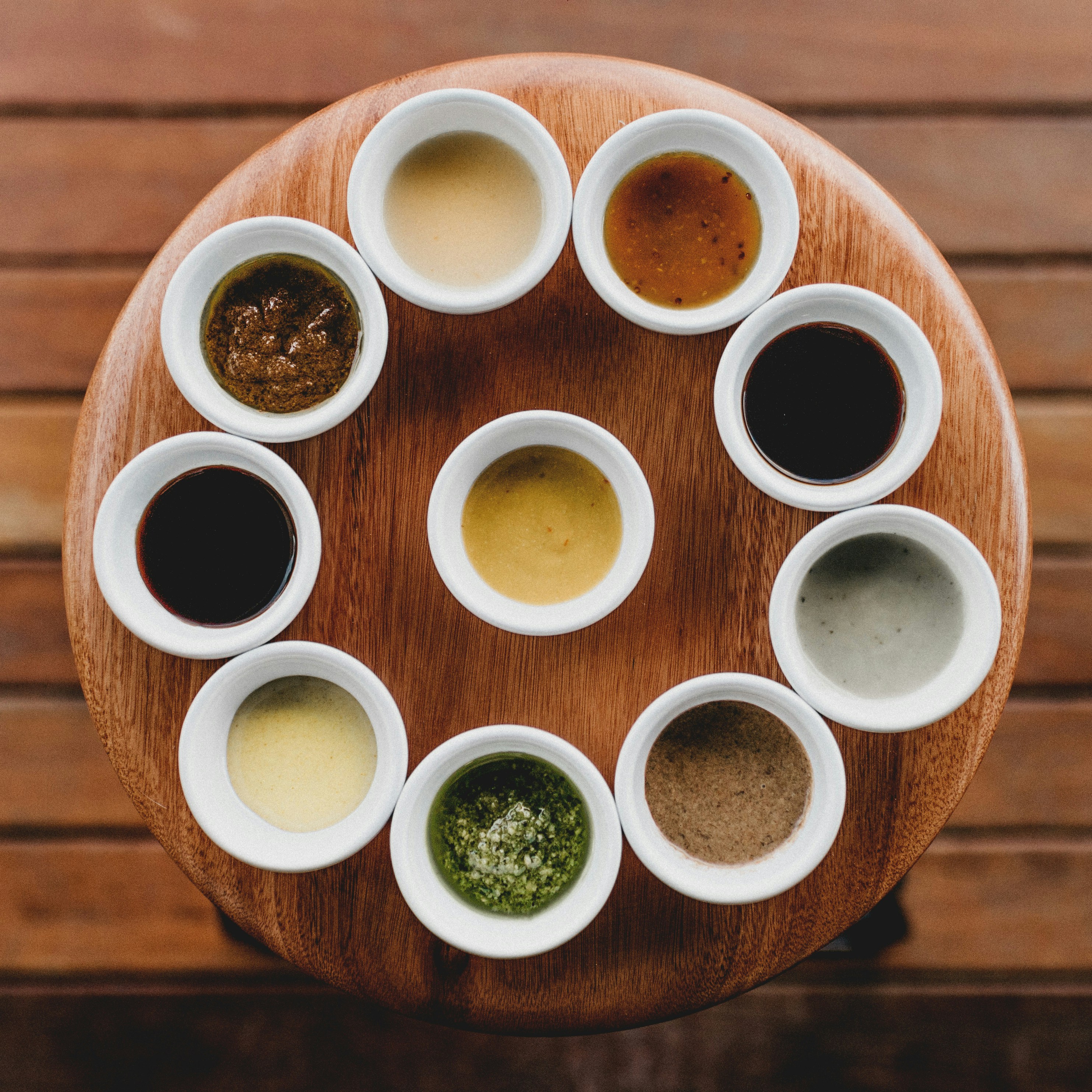
This is the shelf that turns a plain dish into a finished one. Sauces, vinegars, oils, and spreads that you reach for mid-recipe, not ingredients you build a whole meal around. They sit next to your baking shelf for a reason: both are full of bottles and jars, and both reward you for knowing exactly what’s in there. For the full breakdown, including pantry zoning tips and a maintenance schedule, see our condiments guide.
Sauces and Umami
These are the bottles that add savory depth salt alone can’t reach. If a dish tastes flat and you can’t figure out why, the answer is probably somewhere on this shelf.
★ Soy Sauce or Tamari. Does the work of salt and a flavor enhancer in one splash. Add it to a braise, marinade, or pan sauce and you’ll taste a dimension that straight salt can’t reach. Tamari is the gluten-free option and tends to be slightly richer. Shelf life: 3 years unopened; 1 month after opening (refrigerated).
Fish Sauce. The most counterintuitive pantry staple you’ll own. It adds fermented, savory depth without tasting remotely like fish. Essential to Thai and Vietnamese cooking, and a covert agent in Bolognese, chili, and Caesar dressing. Shelf life: 3–4 years unopened; up to 1 year after opening.
Worcestershire Sauce. Fermented, tangy, and a little sweet, with an umami backbone that lifts marinades, Bloody Marys, meat sauces, and stews. A few dashes do quiet, important work. Shelf life: 2–3 years unopened; 1 year after opening (refrigerated).
Miso Paste. Fermented soybean paste that delivers deep, complex savoriness to soups, marinades, glazes, dressings, and even compound butter. White (shiro) miso is the mildest and most versatile starting point. Shelf life: 1 year unopened (refrigerated); several months after opening.
Dried Mushroom Powder. Concentrated umami in a jar. Stir it into soups, sauces, risotto, or a dry rub for a meaty depth that doesn’t come from meat. It’s the kind of ingredient people don’t know they need until they try it. Shelf life: 1–2 years unopened.
MSG. Monosodium glutamate is pure umami in crystal form. The science on it is clear: it’s safe, it’s effective, and decades of stigma were based on flawed research. A small pinch seasons the way salt does, but along a different flavor axis. Treat it as another seasoning tool, not a controversy. Shelf life: indefinite.
Kombu. Dried kelp, and literally the ingredient that led to the discovery of umami as a taste. Drop a piece into a pot of beans to help them soften, simmer it in water for a quick dashi broth, or use it as the quiet foundation under a vegetable soup. Shelf life: 2–3 years if kept dry.
Vinegars
Four different vinegars at $4 each serve you better than one expensive bottle. Acid is the ingredient home cooks under-season with most, and a splash of vinegar is often the fastest fix when a dish tastes flat.
★ Distilled White Vinegar. Delivers acid without flavor, and the neutrality is the point. Quick pickles, poached eggs, buttermilk substitutes. It’s also handy for descaling a coffee maker, which puts it in a very small club of ingredients that work in and out of a recipe. Shelf life: 2 years unopened.
Apple Cider Vinegar. Mild, fruity acidity for vinaigrettes, braises, and marinades. It fits the sweet spot where white vinegar would be too harsh and balsamic too sweet. Shelf life: indefinite.
Balsamic Vinegar. Works raw and cooked. Drizzle it over roasted vegetables, strawberries, or fresh mozzarella, or reduce it into a glaze for grilled meats. Save the premium aged stuff for drizzling only. Heat kills it. Shelf life: 3–5 years unopened; 18 months after opening.
Rice Vinegar. Has a mild sweetness no other vinegar replicates. Quick pickles, sushi rice, and Korean and Japanese dressings all depend on it, and white vinegar falls flat as a substitute. Shelf life: 2 years unopened.
For balsamic worth drizzling straight, Giuseppe Giusti is a well-priced option that earns the upgrade over grocery-store bottles.
Finishing Oils
These are the oils you reach for at the table, not just the stove.
★ Extra-Virgin Olive Oil. Handles moderate heat without burning and still has real flavor when you drizzle it raw over a finished dish. Sautéing, pasta sauces, vinaigrettes, and finishing. If your kitchen had a default setting, this would be it. Shelf life: 6 months to 1 year unopened; 3–5 months after opening.
Toasted Sesame Oil. Add it at the end, never at the start. Its volatile aromatics burn off with prolonged heat. A teaspoon stirred in just before serving delivers a roasted, nutty depth to stir-fries, noodle dishes, and marinades that nothing else quite matches. Shelf life: 2 years unopened; 6 months after opening.
Spend a few extra dollars on quality extra-virgin olive oil. Look for a dark glass bottle or metal tin that labels the harvest date within 18 months. Premium oils are single-source, cold-pressed, and third-party tested. Cobram Estate California Select clears every checkpoint and has taken multiple gold medals at the New York International Olive Oil Competition.
Tabletop Favorites
These get squeezed straight onto the plate as often as they go into a recipe.
Ketchup. Does more than top a burger. Stir it into meatloaf, barbecue sauce, or a quick glaze, where its sweet-acid balance rounds out a dish in ways a splash of vinegar alone can’t. Shelf life: 1 year unopened; 6 months after opening (refrigerated).
Yellow Mustard. The ballpark classic holds its own in the kitchen too. It whisks into potato salad dressing, brightens a deviled egg filling, and adds tang to a quick barbecue sauce. Shelf life: 2 years unopened; 1 year after opening (refrigerated).
Dijon Mustard. Sharper and more refined than yellow. It whisks into a vinaigrette to bind oil and vinegar, coats a pan sauce with tang, and rubs onto meat before roasting for a savory crust. One of those ingredients that quietly makes everything around it better. Shelf life: 2 years unopened; 1 year after opening (refrigerated).
Mayonnaise. Sandwiches are just the beginning. It adds moisture to baked goods, creates a golden crust when spread on fish or chicken before roasting, and forms the base of dozens of dressings and dipping sauces. Shelf life: 3–4 months unopened past printed date; 2 months after opening (refrigerated).
Hot Sauce. A vinegar-based hot sauce holds up for years thanks to its acidity, and it earns its space as a cooking ingredient, not just a table condiment. Stir it into marinades, braises, and dressings for heat that builds rather than just bites. Shelf life: 2–3 years unopened; up to 1 year after opening.
Relish. Sweet or dill, it adds a briny crunch to hot dogs, tuna salad, deviled eggs, and tartar sauce that chopping a pickle can’t quite replicate. Shelf life: 1–2 years unopened; 6–9 months after opening (refrigerated).
Steak Sauce. Tangy, savory, and slightly sweet, it works on more than steak. Try it in a meatloaf glaze, burger topping, or stirred into a pan sauce when you want a quick hit of complexity. Shelf life: 2–3 years unopened; several months after opening.
Spreads and Drizzles
These go on bread, into recipes, and sometimes straight off the spoon.
★ Natural Peanut Butter. Builds the base of a quick noodle sauce, adds richness to a smoothie, and works as easy protein when you’re short on time. Look for a jar with just peanuts and maybe salt. If the ingredient list is longer than that, keep looking. Shelf life: 6–9 months unopened; 2–3 months after opening.
Tahini. Sesame paste that anchors hummus, enriches dressings and sauces, drizzles over roasted vegetables, and stirs into cookie dough for a nutty complexity peanut butter can’t replicate. One jar covers Middle Eastern, Mediterranean, and Asian cooking. Shelf life: 6 months to 1 year unopened; several months after opening (refrigerated).
Fruit Jams and Preserves. Toast is just the opening act. Glaze a roast, fill thumbprint cookies, swirl into yogurt, stir into a pan sauce with vinegar for a quick fruit glaze, or layer into a cheese board. Shelf life: 1–2 years unopened; 6–12 months after opening (refrigerated).
Apple Butter. Thicker, darker, and more concentrated than applesauce, with a warm spice profile that works on toast, in oatmeal, on a cheese board, and as a glaze for roasted pork. It’s autumn in a jar without being limited to fall. Shelf life: 1–2 years unopened; 3–4 weeks after opening (refrigerated).
Worth Paying Extra: For peanut butter, ingredient lists get shorter as quality goes up. Crazy Richard’s takes that principle as far as it goes: the label reads “peanuts.” Full stop. No salt, no sugar, no added oil.
Coffee, Tea, and Shelf-Stable Drinks
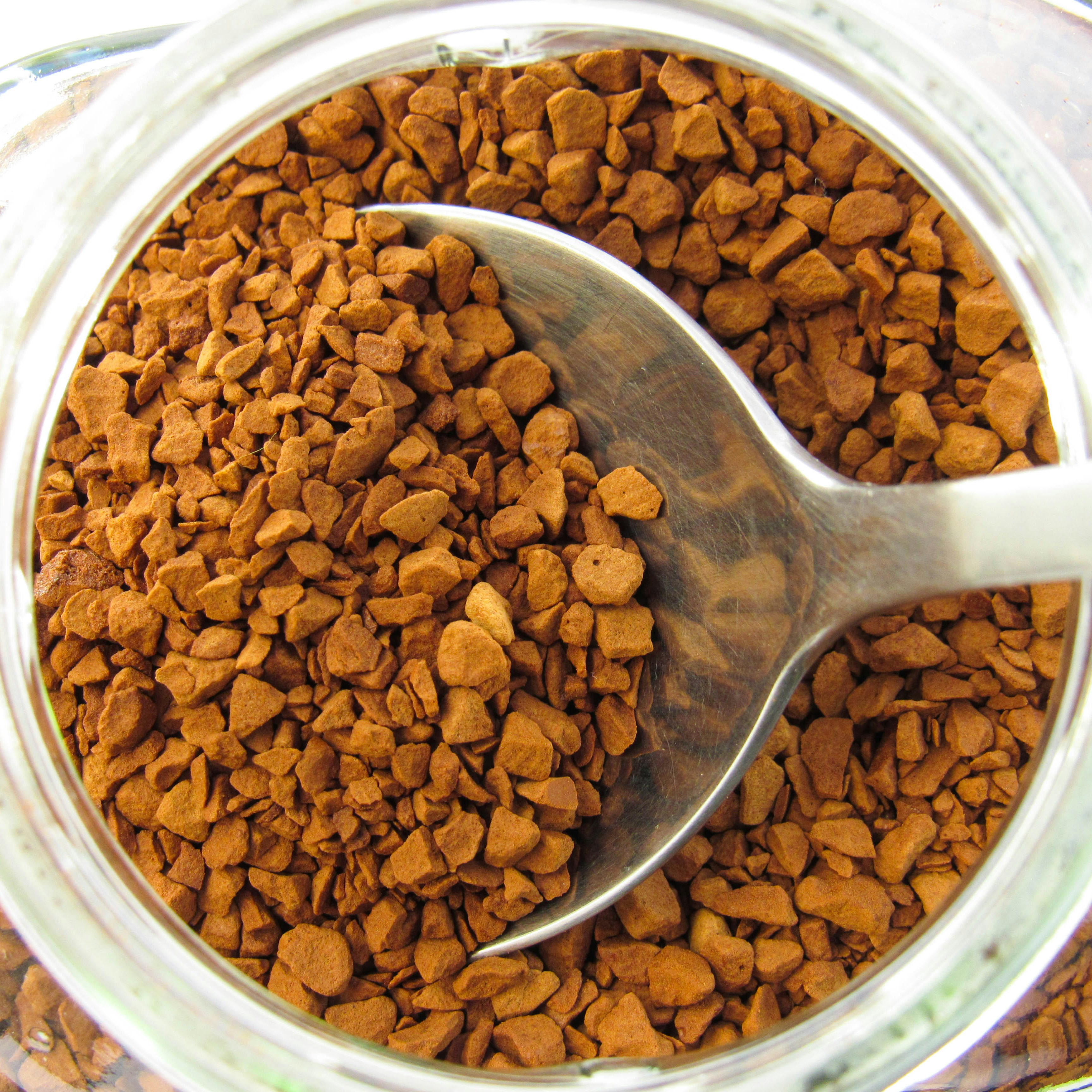
Most pantry staples lists skip this category, which is exactly why it’s here. Coffee, tea, and cocoa aren’t just for the cup. A spoonful of instant coffee deepens a pot of chili. Tea leaves steeped into a broth add a tannin-rich note fresh herbs can’t replicate. Cocoa powder is what makes a tiramisu taste like tiramisu, not just cream and coffee. That versatile double duty is what gets these items through the three tests. For the full lineup, including powdered mixes, concentrates, and shelf-stable juices, see our coffee and tea guide.
★ Instant Coffee or Espresso Powder. A spoonful dissolves straight into a braise, chili, or chocolate dessert, deepening existing flavors rather than adding a coffee taste. It’s a shortcut professional bakers use more often than they let on. Shelf life: 2–20 years unopened, depending on storage.
★ Black Tea. Holds up in the pantry longer than any other tea type, and its tannins do real work beyond the mug. Brewed strong, it tenderizes and flavors a marinade for steak or pork. A pinch of dry leaves in a spice rub adds a depth liquid smoke can’t touch. Shelf life: 2 years unopened; up to 3 years if properly sealed.
★ Cocoa Powder. Unsweetened cocoa powder builds the base of chocolate desserts, but it also deepens chili, mole, and certain braises without adding sweetness. Natural and Dutch-process versions behave differently in baking, so read the recipe before you reach for the tin. Shelf life: 2–3 years unopened.
Powdered Drink Mix. A fruit-flavored powdered mix does more than fill a water bottle. Stir a little into a marinade or dry rub for concentrated fruit flavor, or use it to add color and punch to a quick glaze. Not glamorous, but surprisingly effective. Shelf life: 1–2 years unopened.
Lemon Juice Concentrate. Covers you when fresh lemons aren’t on hand, brightening marinades, dressings, and baked goods with the same acidity, just less punch than the real thing. It won’t replace a fresh squeeze and a hit of zest, but it’s a solid understudy. Shelf life: 1 year unopened; 1 month after opening (refrigerated).
Worth Paying Extra: For instant coffee that actually tastes like coffee, Mount Hagen uses a freeze-drying process that keeps the aroma most jarred brands lose, without the bitterness people associate with instant.
The Pantry That Works for You
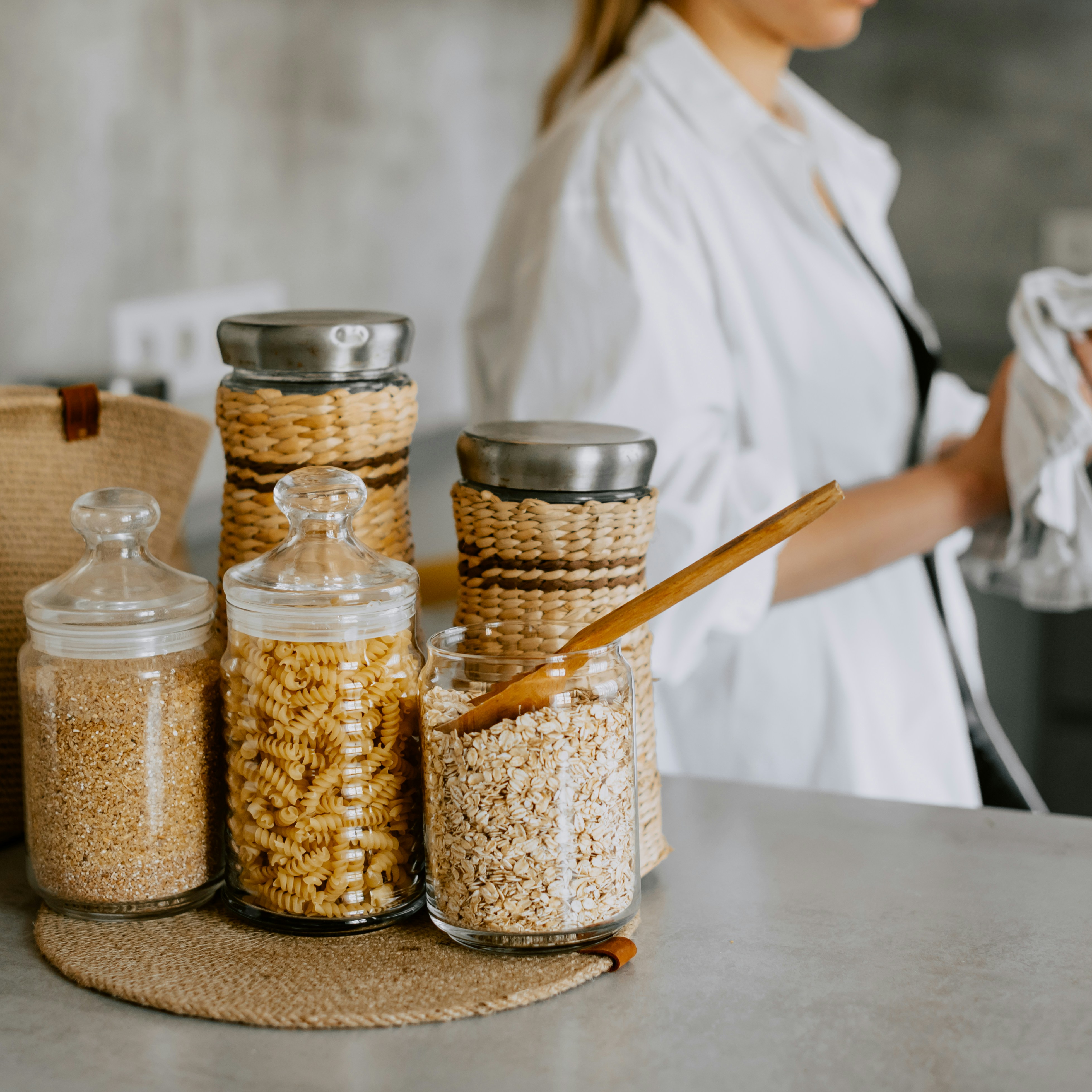
This list gives you the foundation, not the finish line. A pantry built around Italian and American cooking looks different from one built around Southeast Asian or Middle Eastern food, and both look different from one designed for weekend baking. The three tests hold regardless of cuisine, budget, or meal planning style, but what passes them is yours to decide.
Plenty of good ingredients sit outside this pantry staples list for now, not because they failed some universal standard, but because they don’t belong on day one. Specialty flours like almond or oat flour earn their spot once you bake often enough to justify the shelf space. Curry paste, mole, hoisin, and other single-cuisine staples belong the moment they become a repeat purchase instead of a one-time experiment. Truffle oil and other infused fats are worth buying fresh, right before the recipe that calls for them, rather than stocking up for a future that may or may not come.
That’s the real test over time. Start with what’s here, pay attention to what you keep reaching for, and let your own cooking habits help you build out your perfect pantry. The staples that earn space in your kitchen will make themselves obvious. So will the ones that don’t.
All details were verified at the time of publication and may change without notice. Please confirm current information before making a purchase. Storage timelines are sourced from the USDA’s FoodKeeper database.





Leave a Comment
Your email address will not be published. Required fields are marked *