
Open a well-stocked cupboard, and there’s a quiet kind of confidence waiting inside. The jars of grains, the soft rustle of dried beans, the armory of spices: Your dry goods are the backbone of nearly every dinner you’ll pull together this week. Put some care into this shelf, and you’ll feel it every time you start dinner.
Before we dig in, one signpost. If you came hunting for flour, sugar, leaveners, and extracts, those live in our baking ingredients guide. What follows is everything else that’s non-perishable and keeps happily at room temperature, from hearty legumes to fine thickeners to the seasonings that run a kitchen.
We’ll walk the whole catalog first, then get practical about moving each ingredient into an airtight container, stacking a tight space without playing Jenga, and stopping moths and stale flavors from winning.
Stocking Your Dry Goods Catalog
A smart lineup isn’t about hoarding 50 ingredients you don’t use. It’s about stocking the workhorses that carry the week, plus a few specialty players. Here’s how the five core groups shake out.
Grains and Pasta
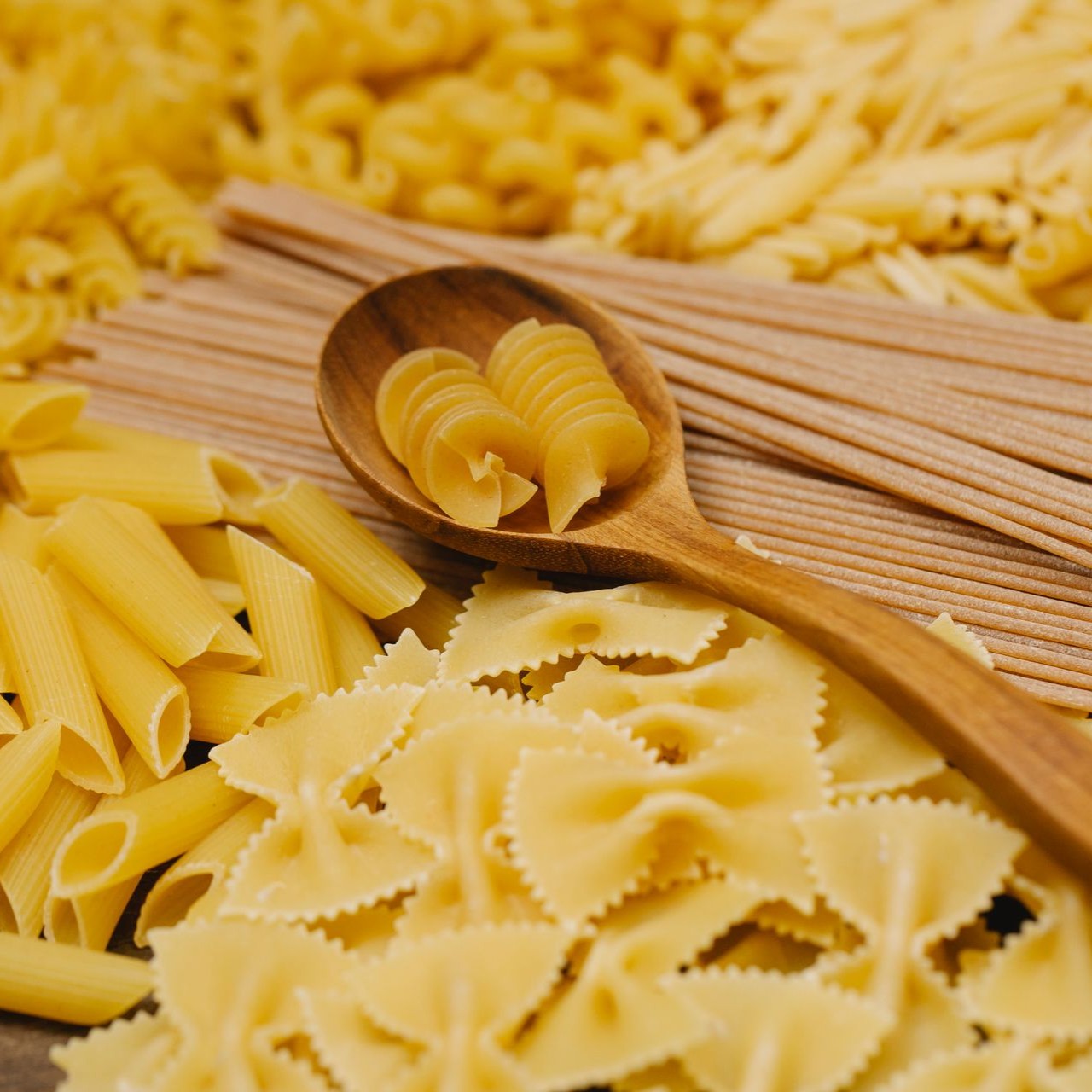
This is the engine room of most kitchens. Long-grain white rice cooks up fluffy and neutral, ready for a curry or to soak up a saucy stir-fry, while nutty brown rice brings a chewier bite and a little more fiber. Have fragrant jasmine or basmati on hand for the evenings you want your home to smell like a restaurant, and a bag from a trusted grower like Lundberg Family Farms rarely disappoints.
Dried pasta is the ultimate insurance policy, holding almost indefinitely in a sealed box. Round things out with quinoa for a fast protein boost, rolled oats for breakfast bowls and quick baking, and a hearty pick like barley, farro, or bulgur when a dish needs more heft. A heavy pan with a tight cover makes any of these a hands-off side.
Breadcrumbs and panko are good for coating and crunch, while cornmeal or polenta stretches from a creamy morning porridge to a golden, crackly crust. Buy them in amounts you’ll realistically finish, since even the sturdiest options taste best within a year of opening. Whole grains especially drink up odors from a shared shelf, so a snug lid keeps them tasting like themselves.
Dry Beans and Legumes
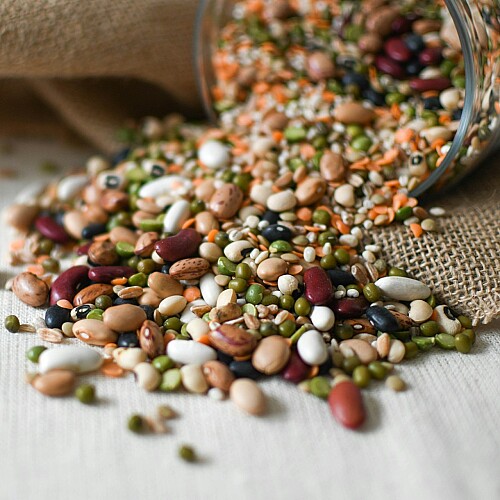
Legumes are the thriftiest protein around, and they age gracefully on a shelf. Lentils cook fast with no advance prep required, collapsing into soups and dals in well under an hour. Their bigger cousins, dried beans and chickpeas, ask for a little patience through an overnight soak and a gentle simmer, yet they reward you with a creamier texture than most tins deliver.
They also moonlight as everything from hummus to a crispy roasted snack, which makes a humble bag of them versatile. A multi-bean soup mix is a cozy shortcut when you want one pot to handle the heavy lifting.
On the evenings you’d rather skip the process, the ready-to-use versions absolutely have their place. You’ll find those broken down in our canned goods roundup, where a rinse is the only step between the tin and the stove.
Starches and Thickeners
These are the fixers, the fine powders that turn a thin, watery sauce into something glossy enough to coat the back of a spoon. Cornstarch is the everyday hero for gravies, pan drippings, and bright fruit pies. Tapioca starch lends a clear, slightly stretchy finish, which is why it shines in cobblers and gluten-free baking.
Potato starch shrugs off high heat and keeps a fried coating shatter-crisp, while arrowroot sets delicate, acidic liquids without a hint of cloudiness. Here’s a small move that saves a lot of grief: Whisk any of these into a splash of cold water before they meet a hot pot, and you’ll dodge the lumps.
You won’t need this group daily. But the afternoon a glaze breaks or a filling goes runny, you’ll be glad the right starch sat waiting in the wings.
Nuts, Seeds, and Dried Fruit
This trio delivers crunch, chew, and a hit of gentle sweetness. Almonds and walnuts are your grazing and salad-topping staples, turning fragrant after a few minutes in a hot, dry pan. Pumpkin and sunflower seeds scatter over oatmeal, soups, and roasted vegetables for a satisfying bite. Toast them in just the amount you’ll use, though, since warm oils turn faster once they’re roused.
The sweet corner handles dessert and snack duty. Plump raisins and tart dried cranberries belong in baking and trail mixes, and soft dried mangoes are a tropical treat. On the savory side, a bag of jerky is the grab-and-go protein that rounds out the category.
One heads-up: The fats tucked into nuts and seeds mean they won’t hold as long as the rest. We’ll sort out that wrinkle in the storage section, since a couple of easy moves buy them real longevity.
Herbs, Spices, Seasonings, and Aromatics
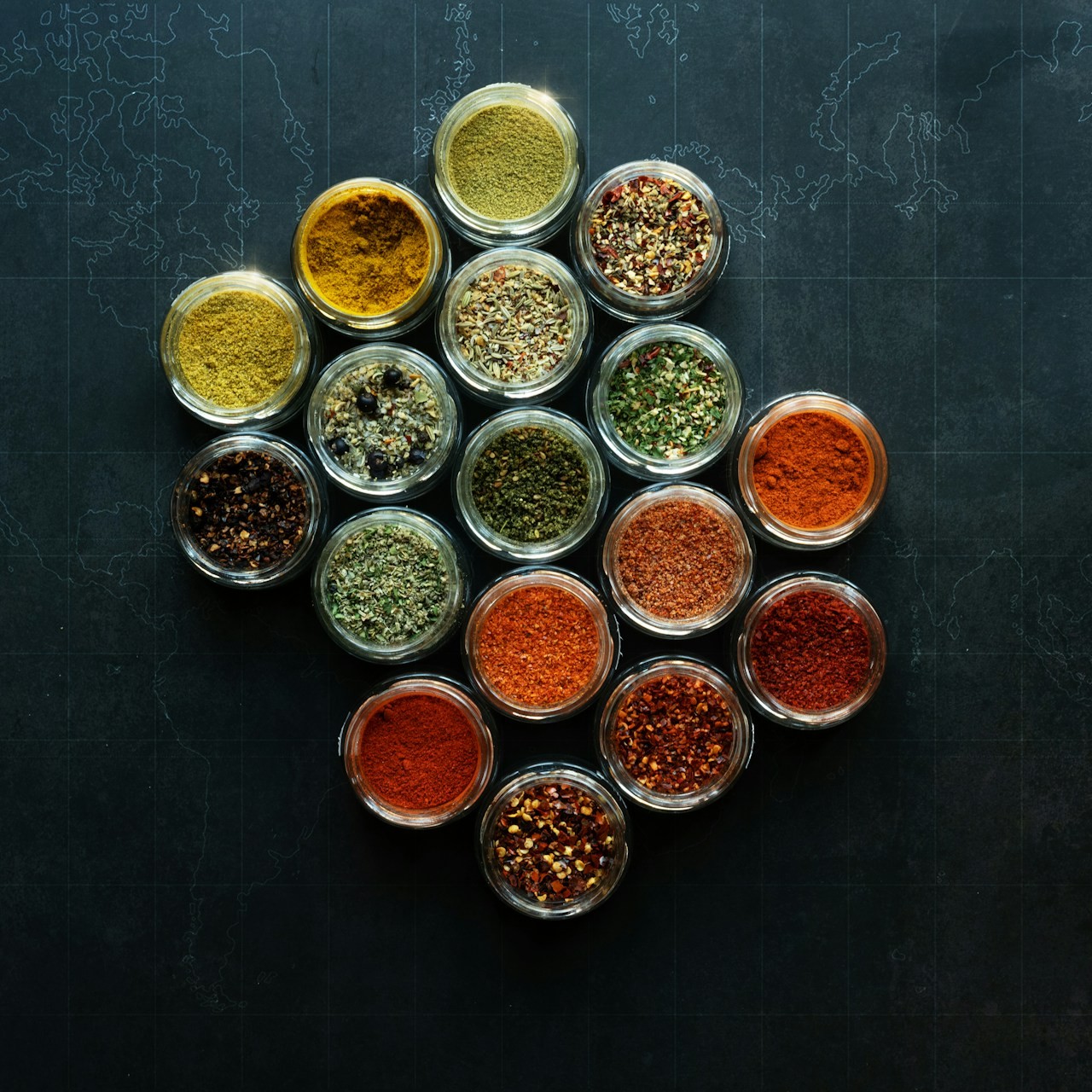
You could stock every grain and legume on this list, and dinner would still fall flat without the right seasonings. Begin with kosher salt for everyday cooking, a pinch of flaky sea salt for finishing, and whole black peppercorns you crack fresh since the pre-ground kind turns dull.
Then layer in the workhorses. Garlic powder and onion powder deliver instant savory depth, cumin and chili powder bring low warmth, and dried oregano, thyme, and basil supply that herby backbone. Round it off with smoked paprika, a shaker of nutritional yeast for cheesy umami richness, and sweeter notes like cinnamon and bay leaves. Milled blends fade fastest, so buy them in the smallest jar that makes sense, and refill often.
Single-origin spices from a source like Burlap & Barrel taste noticeably livelier because provenance really does land on the plate. Intact seeds and pods hold their punch far longer than the powdery stuff, so get them unbroken whenever you can.
The Decanting Workflow
Store packaging is made to survive a warehouse and a delivery truck, not to guard your food once it lands at home. Flimsy bags let in air, damp, and the occasional uninvited guest. Transferring everything into proper storage is the highest-return habit in pantry keeping, and it takes just one afternoon.
Clear a counter, and give it a thorough wipe, then leave it to dry completely. Any lingering moisture is exactly what you want far from your ingredients.
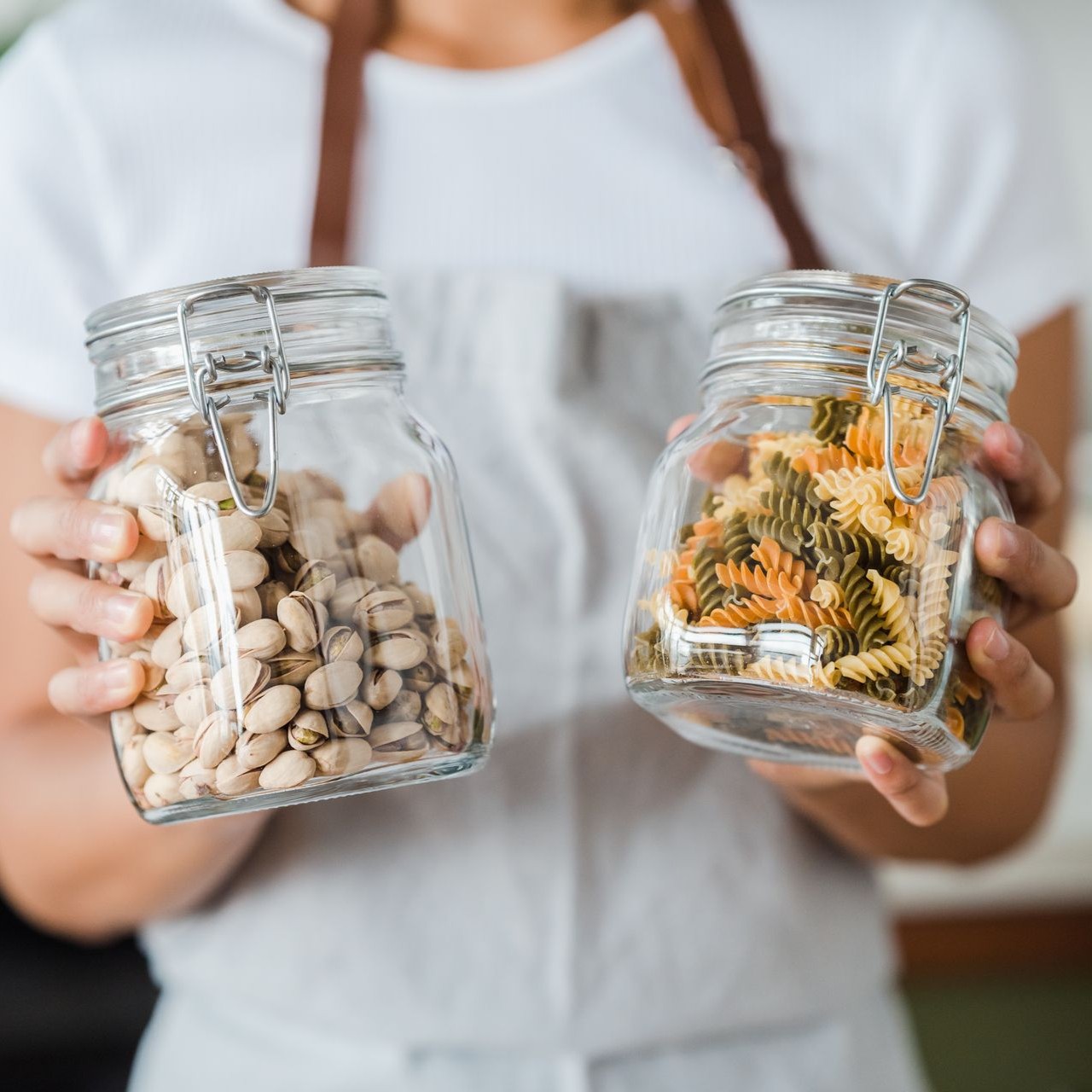
Pour each package into a clean, thoroughly dried OXO Good Grips POP container or a comparable lidded canister. A matching set stacks neatly and clicks shut with one press of the button.
Snip the cooking directions and the best-by code off the original wrapper, and drop that scrap inside, or fix it to the base with a piece of tape. You’ll thank yourself the next time a recipe wants a water ratio.
Mark the day it entered the jar on an erasable label.
Shelve like with like, grouping grains in one zone, starches and thickeners in another, and seasonings within arm’s reach of the stove.
Right-size your choices, too. A cup of quinoa swimming in a quart of dead space goes stale faster, so pick vessels that roughly match each bag. Glass and BPA-free plastic both do the job, provided the lid closes tight.
Spices deserve a special mention as you work. They fade in bright light as much as in stubborn humidity, so tuck them into a drawer or a closed cabinet rather than a sunny, open rack. A pretty countertop display looks lovely and dulls your paprika in a season flat.
Storage, Organization, and Pest Prevention
With everything decanted, a little order keeps the whole system humming. See what you own, reach it without a hunt, and shield your dry goods from heat, light, and hungry invaders. A cool, dry place well clear of the range is ideal.
Aim for a spot that holds steady because wild temperature swings age your stores faster than a consistently mild cupboard. Slip a food-safe silica packet in with especially thirsty items like crackers, and it soaks up the damp that softens them.
Stacking a Small Space
Square and rectangular canisters are great here because round ones waste the corners. Uniform shapes let you stack upward instead of outward, and that vertical room is where a cramped cupboard suddenly doubles. See-through walls help, too, since you can read the levels at a glance rather than opening every lid.
A tiered riser lifts the back row so it peeks over the front, ending the daily archaeology dig for the cumin.
A lazy Susan tames the deep-corner black hole where forgotten jars go to expire.
A slim over-the-door rack reclaims dead space for flat items like envelopes of yeast or taco seasoning.
Face each label forward so a quick scan flags what’s running low.
Keeping Pests and Rancidity at Bay
Pantry moths and weevils can hitch a ride in as eggs tucked inside a fresh bag of flour or grain, then hatch on your shelf. Inspect each sack for tears or webbing before it lands in your cart, and know that sealed lids stop a small outbreak from spreading. The surest defense, though, is to freeze new arrivals for at least four days at 0°F, which wipes out any stowaways before they wake up.
Buy in quantities you’ll finish within a couple of months, slide older packages to the front, and sweep up crumbs. The oil-rich crowd needs a bit more vigilance. Brown rice, nuts, and seeds go rancid much quicker than white rice or pasta because their fats break down over time. Purchase them in modest batches, and stash them in the fridge or freezer, where the cold keeps them honest for far longer.
Tracking Shelf Life
Even flawlessly stored goods don’t last forever, so the final piece is an easy way to watch what’s aging. The day you jotted during decanting is doing its job now, turning a guessing game into a two-second glance.
Keep a running tally on a notepad taped inside the door or a note on your phone of anything creeping toward its expiration date. When you’re unsure how long a given item truly lasts, the USDA’s FoodKeeper app gives you a searchable answer.
A monthly five-minute sweep, pulling whatever’s past its prime to the front, tightens the whole routine. Raid your own shelves before the store when you plan meals, using the older packages before the newest, and that oldest-first rhythm steadily trims the money you’d otherwise lose to food waste.
A Pantry You Can Count On
Dial in your dry goods, and the rest of cooking gets easier. You’ll toss less, spend less on frantic last-minute runs, and open the cupboard to possibility instead of clutter.
Start with a single shelf this weekend: decant, label, and date it. When you’re ready to round out everything else in the kitchen, the complete pantry staples guide covers every category worth a place in the rotation.
All details were verified at the time of publication and are subject to change without notice.





Leave a Comment
Your email address will not be published. Required fields are marked *