
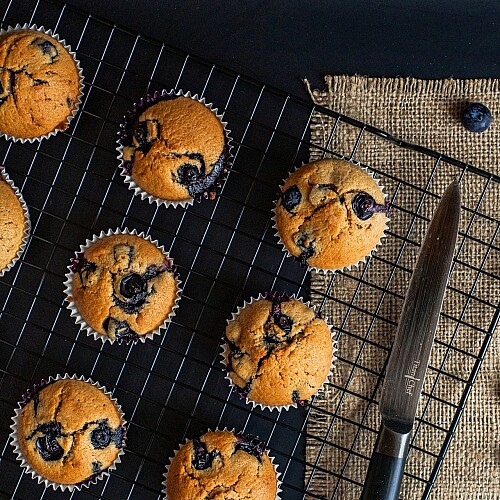
A well-run baking shelf is solid insurance. When the craving for warm cookies lands at 9 PM, the difference between a fresh batch and a defeated trip to the store comes down to the baking ingredients you already keep on hand. Stock the right staples, and most sweet-tooth emergencies solve themselves.
What follows sticks to the cupboard crowd: the flours, leaveners, fats, sweeteners, mixes, and extracts that make baked treats rise, brown, and taste unmistakably homemade. If you came looking for grains, pasta, or the spice rack, those belong to a different corner of the kitchen, and our dry goods guide walks you through every one of them.
Plenty of great baking leans on cold, perishable helpers (eggs, milk, and buttermilk chief among them), and no serious baker skips them. Those live in the fridge, though, so they sit just outside this shelf-stable focus. Everything below can wait patiently in a cool, dark spot until inspiration strikes.
Flour and Leaveners
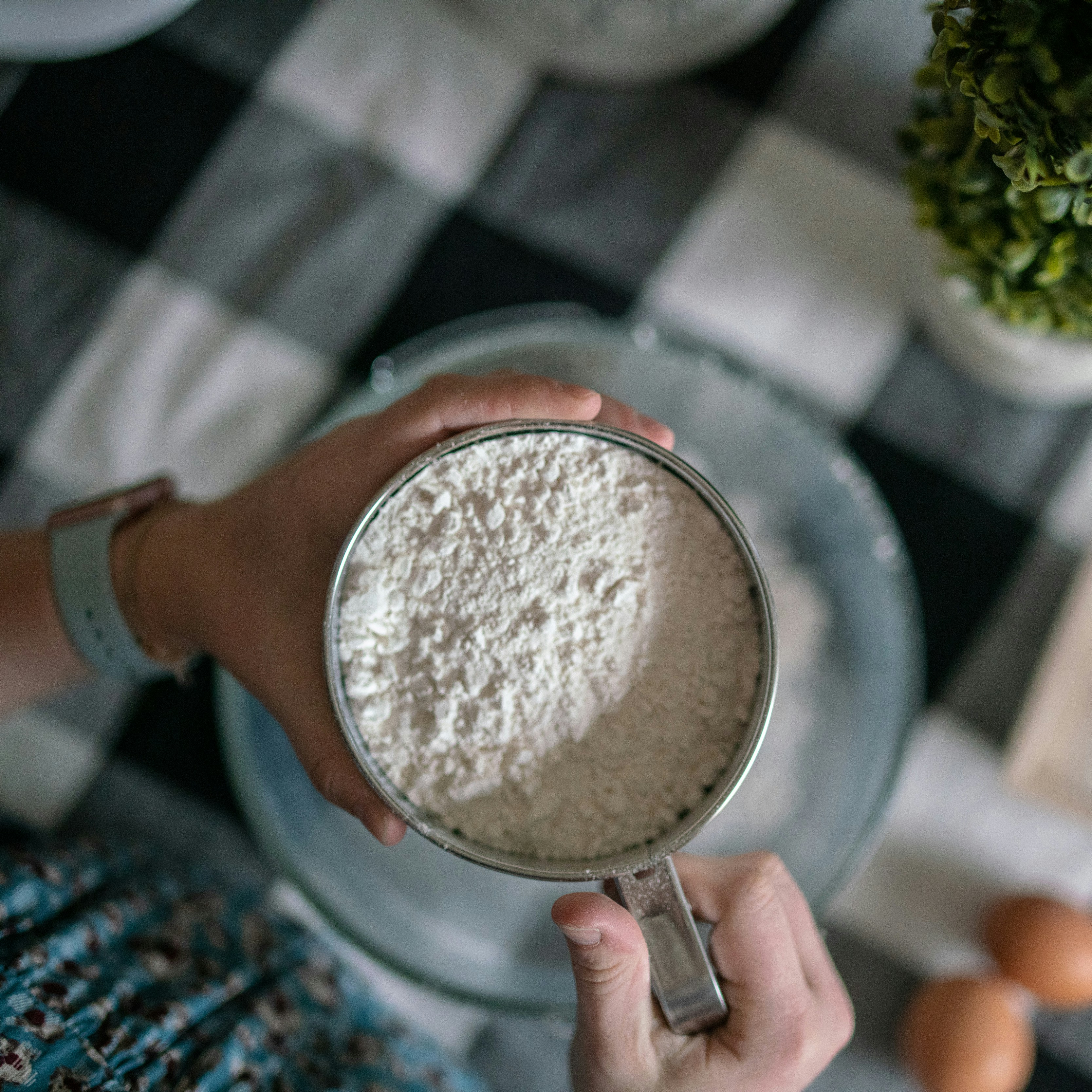
Flour and leaveners are the structural team. One hands you the framework, the other supplies the lift, and together they decide whether your crumb turns out tender, chewy, or sadly flat. Nail this pairing, and everything downstream falls in line. Miss it, and no amount of good butter rescues the result.
Choosing Your Flour
All-purpose flour is where to start. It sits squarely in the middle of the pack, flexible enough for chocolate chip cookies one afternoon and a flatbread base the next. King Arthur All-Purpose Flour is a dependable choice, unbleached and milled to a steady standard.
From there, the specialty sacks each answer a narrower need. Bread flour packs a higher protein load, which forges the stretchy gluten behind chewy bagels and blistered pizza crust. Cake flour runs the opposite direction, softer and lighter for a fine, downy texture.
Self-rising flour folds leavener and a little salt right into the sack, trimming a step for tender biscuits. Whole wheat flour keeps the bran and germ intact, lending a nuttier taste and heartier bite that suits banana bread beautifully.
Caught without the cake variety? Measure out a cup of all-purpose, pull two tablespoons back, and replace them with cornstarch for a close stand-in. That one swap has rescued more layer cakes than most of us will admit.
Working With Leaveners
Leaveners turn dense paste into something airy. Baking soda is pure base, so it needs an acidic partner (buttermilk, brown sugar, a squeeze of lemon) to spark the reaction that frees its bubbles. Baking powder is the all-in-one cousin, with that acid already tucked inside, so warmth and damp are the only cues it waits for. Mix the two up, and cookies spread wrong, which is why those labels reward a careful read.
Yeast plays a slower game. Active dry yeast wants a warm-water wake-up before it joins the dough, while instant yeast skips the ritual and blends straight in. Keep a jar of each if weekend loaves are your habit. And never sideline salt; a modest pinch reins in the rise, tightens the gluten, and stops sweetness from reading one-note on the tongue.
The staple most people find they’re out of, elbow-deep in batter, is baking powder. A five-second peek in the tin before you crack that first egg spares you a world of grief.
Baking Fats and Oils
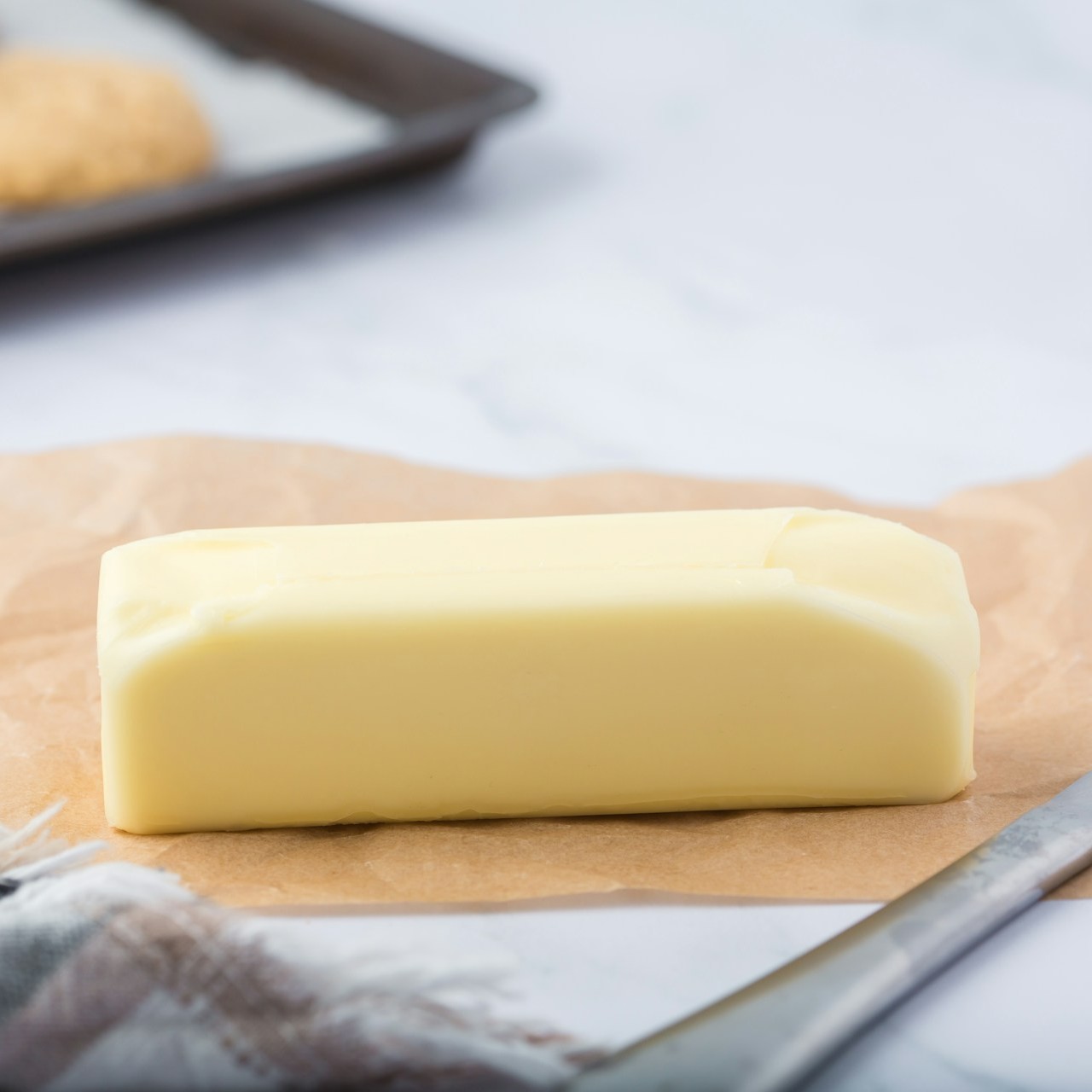
Fat is flavor, texture, and tenderness folded into one. It coats the flour proteins so that gluten turns gentle, traps air for lift, and carries that addictive mouthfeel. Which fat you pick shapes the outcome more than almost any other choice among your baking ingredients, so a small lineup pays off.
Unsalted butter is the taste heavyweight, and most recipes have it so that you can steer the seasoning yourself. One caveat: Butter lives in the fridge, not the cupboard, so it bends the pantry rule the rest of the list obeys. Park a spare stick or two in the cold, and you’re set. For creaming into dough, let it soften on the counter first, since a rock-hard block refuses to whip up light.
For a moist crumb in quick breads and snacking cakes, a neutral oil such as canola or vegetable stays liquid and slicks every particle evenly. Coconut oil firms at room temperature and adds a faint personality of its own, which suits dairy-free treats. Vegetable shortening is pure fat with a long, patient life on the shelf, delivering flaky pie crust and cookies that hold their shape.
Out of butter? Shortening or a splash of oil can shoulder part of the load, trading a little aroma for convenience.
Sweeteners
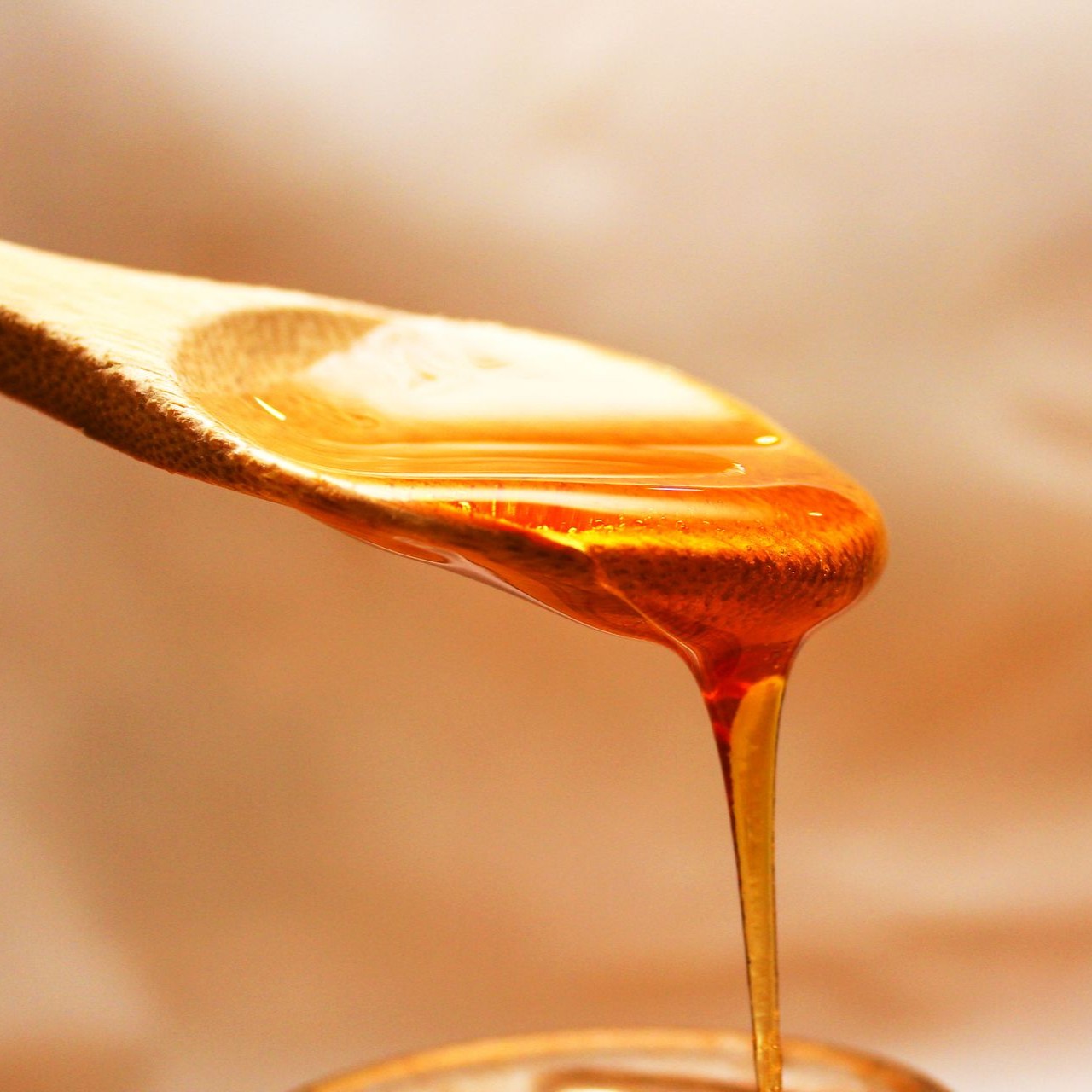
Sweeteners do far more than sweeten. They tenderize, hold moisture, feed browning, and give baked goods their color and chew. Trade one for another, and you change the texture. A tidy handful covers nearly everything you’ll slide into the oven.
The Dry Sweeteners
Granulated sugar is the baseline, the plain white crystals most recipes start from. Brown sugar is those same grains cloaked in molasses, the source of its damp softness and toffee note; light and dark versions simply carry a smaller or larger dose. Powdered sugar (also labeled confectioners’ sugar) is milled superfine and cut with a whisper of starch, so it dissolves into frostings and drifts across the top of everything.
The Liquid Sweeteners
Then come the pourable choices. Honey lends floral sweetness and browns in a hurry, maple syrup contributes its unmistakable woodsy edge, and molasses delivers the dark, faintly bitter depth behind gingerbread and spice bars. Each carries water along with flavor, so trading a syrup for a granular option shifts how the batter behaves.
Here’s a trick: Run granulated sugar through a blender for 30 seconds, and you’ve conjured powdered sugar (a spoonful of cornstarch keeps it from clumping). Stir a tablespoon of molasses into a cup of the white stuff, and you’ve built brown sugar from nothing. Two staples born of one and no extra errand.
Baking Mixes
As baking ingredients go, mixes deserve their square of shelf space. A solid boxed blend hands you the dry measuring already sorted, so what’s left is 30 minutes of gentle work. Keep a couple around for the evenings when scratch feels like a bridge too far.
Pancake mix and biscuit mix pull real double duty; one carton can become waffles, drop biscuits, or a fast cobbler lid. Cake mix and brownie mix are the desserts-in-waiting, ready the moment a birthday sneaks up on you. If you only stock a pair, make them a yellow cake and a fudge brownie, since between them they cover most short-notice occasions.
None of these needs to taste second-best. Swap the water in a boxed cake for milk, beat in an extra egg, or fold in a handful of chips, and the humble box punches above its class. A splash of vanilla in the batter erases the last trace of effort.
Extracts
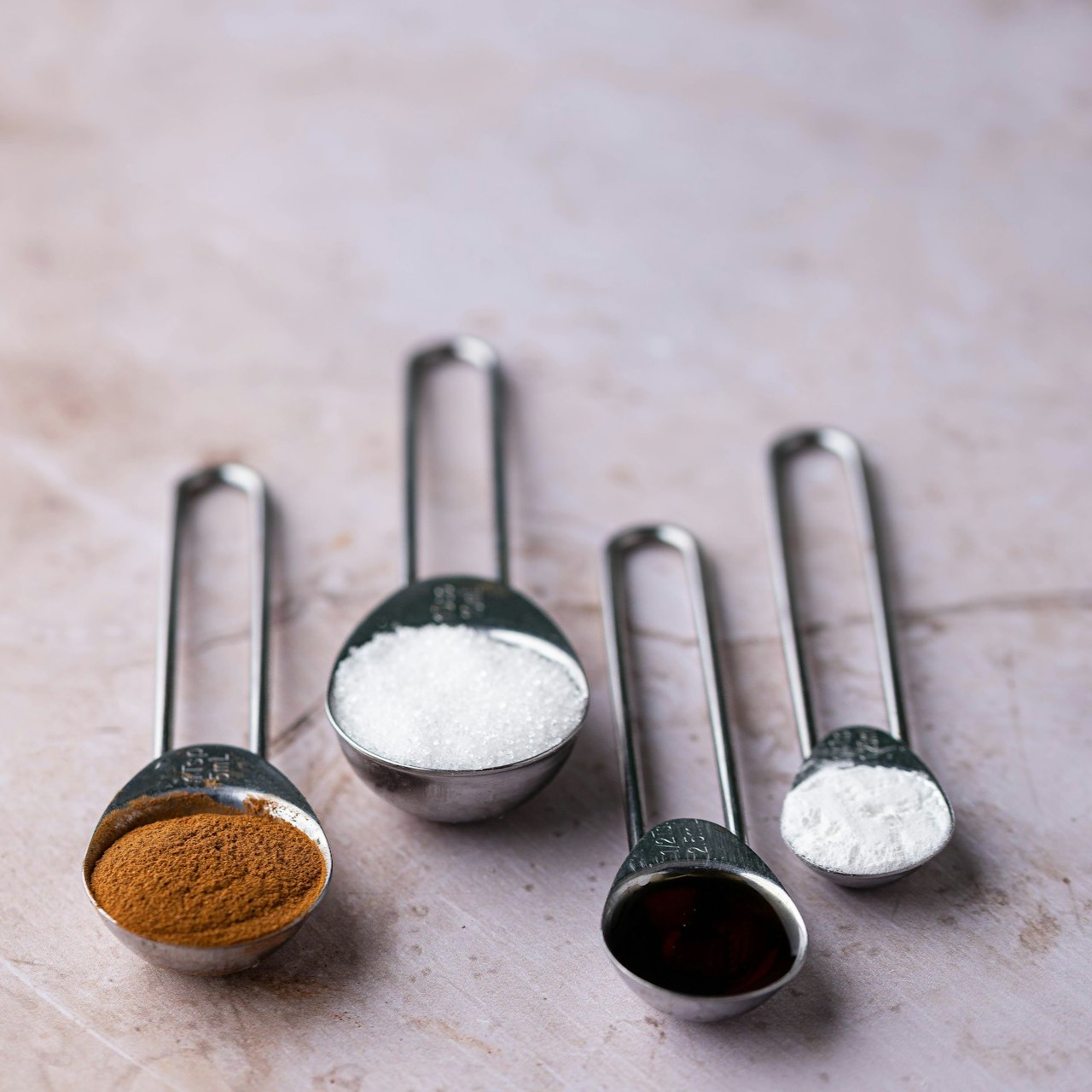
Extracts are little bottles with outsized sway. A single teaspoon can define a whole tray, threading in aroma that flour and sugar can’t summon on their own. Because you pour so sparingly, quality shows plainly, and one bottle lasts across a long run of baking.
Vanilla extract is the one you’ll reach for most, the warm hum behind cookies, cakes, and custards alike. Pure versions cost more than imitation, yet the taste lands rounder; Nielsen-Massey Madagascar vanilla has stayed a favorite for good reason. Should you ever run dry, an equal measure of maple syrup covers the shortfall in a pinch, though it leans sweeter.
Almond extract is far more concentrated, so a few drops carry marzipan-like richness across an entire batch. But a heavy hand will bully every other note off the plate. Lemon extract brightens with clean citrus and none of the wateriness fresh juice can bring, lifting shortbread, pound cake, and glazes in one deft stroke.
A Quick Word on Add-Ins
A handful of baking ingredients sit just outside the core five, yet they still deserve a spot of their own. Chocolate chips are the obvious hero, equally at home melted into a warm cookie or scattered across a muffin top. Cocoa powder is what gives anything chocolate its depth, though it technically bunks with the drink staples, and our coffee and tea guide covers its dual role in full.
A jar of natural peanut butter, like Crazy Richard’s, folds into cookies and bars with almost no fuss at all. Pantry cans such as pumpkin and pie filling bridge neatly into dessert territory, too, and our canned goods guide gathers those together.
Organizing Your Baking Ingredients
Once the cupboard is stocked, a little order keeps it genuinely useful. Group items by how you use them, then match the container to how quickly you burn through each one. The aim is plain: See what you own at a glance, and never buy a duplicate sack of something already hiding behind the sugar.
Start by sorting into zones. Cluster the everyday players (flour, granulated sugar, your trusty leaveners) up front. Nudge the occasional characters (specialty extracts) toward the rear.
Then weigh package size to your habits. Bake most weekends, and the big sacks of flour and sugar make sense. Bake now and then, and smaller bags spare you from tossing a stale surplus later. An item like almond extract stays tiny no matter what, since one bottle outlasts dozens of trays.
Move your loose staples into airtight canisters to reclaim room, block humidity, and read the level in one look. Clear jars are especially useful here. They lock moisture out and let you spot a dwindling supply before it disappears mid-recipe. A strip of tape marked with the fill date does the future remembering for you.
Freshness Checks and Shelf Life
Even the sturdiest baking ingredients don’t hang on forever. Flour eventually turns rancid, leaveners lose their pop, and brown sugar can set like a paperweight. Knowing the rough shelf life of each staple, plus a couple of fast freshness checks, spares you a dense, disappointing bake. Exact windows vary, so the USDA’s FoodKeeper app is the reference you should bookmark.
Storage is what makes or breaks shelf life. Heat, light, and damp air are what age a pantry fastest, so a cool, dark cupboard beats a sunny counter every time. Sealed lids hold humidity away from flour and leaveners, and the freezer buys extra months for whole wheat flour, which carries natural oils that turn sooner than you’d expect.
Rough Shelf Life After Opening | Storage Note | |
|---|---|---|
All-Purpose Flour | 6–8 months | Sealed and cool; freeze the whole wheat kind, which spoils faster |
Baking Powder | 3–6 months | Bone-dry and capped tight; damp is the enemy |
Baking Soda | 6 months | Airtight container, away from strong-smelling spices |
Granulated Sugar | 18–24 months | Airtight, well away from humid air |
Brown Sugar | 18–24 months | Seal snugly |
Active Dry Yeast | 4 months | Chill or freeze once the packet is broken |
Pure Vanilla Extract | 12 months | Dark cupboard, lid closed; it only mellows |
Vegetable Shortening | 6–12 months | Cool, closed tub, away from the stove |
Quick Checks Before You Bake
These checks don’t take more than a minute, and each one heads off a wasted batch. Run whichever applies before the oven warms up:
Baking soda: Stir a spoonful into a splash of vinegar. A lively fizz means it’s still alive.
Baking powder: Drop a little into hot water. Vigorous bubbling says it’s ready to work.
Flour: Give it a sniff. A sour, crayon-like whiff signals the oils have gone off, so let it go.
Yeast: Proof a pinch in warm water with a touch of sugar. If you get foam within 10 minutes, you’re set.
Hardened brown sugar: Microwave it beside a damp paper towel for a few seconds to soften it right up.
A Shelf That’s Always Ready
Stock the essentials, group them so the layout makes sense, and run a 10-second check before the oven warms. Do that, and your baking ingredients become the reliable backdrop to whatever mood strikes on a given afternoon. That’s the luxury of a well-kept cupboard: the yes is already sitting there, waiting.
Flour, sugar, a few good leaveners, and a bottle of real vanilla will carry you through the vast majority of recipes you’ll attempt. For the wider picture beyond the baking shelf, the complete pantry guide ties the whole kitchen together.
All details were verified at the time of publication and may change without notice. Please confirm current information before making a purchase. Storage timelines are sourced from the USDA's FoodKeeper database.






Leave a Comment
Your email address will not be published. Required fields are marked *