
If you’re anything like me, you’re standing in front of the cabinets at 5:45 PM, trying to throw something together between work and whatever ballgame or school event is on the calendar tonight. Fresh produce and a trip to the store would be ideal, but ideal left the building around 3 PM.
A well-stocked pantry of canned goods bails you out every single time. Tomatoes deliver a quick pasta sauce, beans build a chili that practically makes itself, and broth gives plain rice real flavor. These shelf-stable staples do the heavy lifting when life moves faster than your grocery run.
When you hear “canned goods,” tin cans stacked three deep come to mind. But that carton of broth and the jar of marinara that saved Tuesday? They’re part of the family, too.
Cartons (broth, coconut milk), glass jars (pasta sauce, salsa), and retort pouches all belong in the same conversation. If it sits at room temperature and keeps dinner on track when you’re short on time, it belongs here. For the complete pantry overview, including dry goods, spices, baking essentials, and condiments, head back to our full pantry staples list.
Canned Goods Worth Stocking
Most canned goods guides stop at telling you what to buy and leave you on your own from there. I wanted to go a step further. Below, you’ll find a rotation system that cuts food waste, a safety checklist for compromised packaging, and a clear breakdown of what those printed dates on the label mean.
Produce
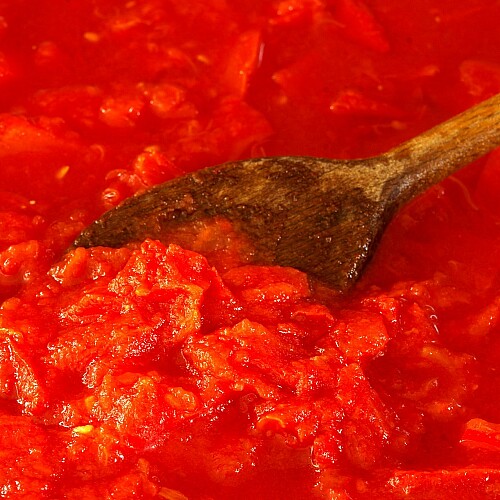
Canned tomatoes anchor this section and probably your entire canned goods shelf. Whole peeled, diced, and crushed varieties each behave differently in a recipe, and having multiple forms handles the widest range of cooking.
Whole peeled tomatoes crush into a chunky sauce with real texture. Diced hold their shape in stews, chilis, and shakshuka. Crushed cook down faster into a smooth marinara.
Fire-roasted tomatoes bring a smoky, charred sweetness. They add depth to chili, enchilada sauce, and roasted red pepper soup without any extra seasoning work.
Tomato paste concentrates richness into a single spoonful. Brown it in hot oil before anything else hits the pan, and you’ll get a savory depth.
Tomato sauce (the plain, unseasoned kind) sits between paste and chopped. It’s thin enough to pour, thick enough to coat, and ready for whatever seasoning direction you take it.
Diced tomatoes with green chilies (often sold as Rotel) combine two pantry staples into a single can. They build queso, shortcut enchilada sauces, and quick-dump chili without extra cans taking up space.
Canned corn holds its sweetness and crunch better than almost any other canned vegetable and works in chowders, grain bowls, salsas, and warm sides.
Green beans and peas offer convenience more than culinary ambition, but they fill a plate when fresh vegetables aren’t in the fridge and stretch stews and casseroles without adding prep time.
Canned peaches and pears make cobblers, crisps, and yogurt toppings in minutes. Choose fruit packed in juice rather than heavy syrup for the fruit flavor without the added sugar.
Canned pumpkin handles pie, muffins, and pancakes, but it also stirs into brothy bowls, pasta sauces, and oatmeal for a creamy, earthy warmth.
Apple pie filling crosses into baking territory, and our baking ingredients guide covers it in full.
Pro Tip: Not all canned tomatoes are equal, and this is a spot where a couple extra dollars shows up on the plate. A genuine DOP San Marzano has less watery liquid and a rounder, sweeter flavor that carries through whatever you cook. Look for the DOP seal on the label. La Valle San Marzano DOP prints its certification number right on the can.
Proteins
Canned tuna remains the go-to shelf-stable protein. Sandwiches, salads, pasta, and casseroles all benefit from a can that costs less than two dollars and needs no cooking. Look for pole-and-line or troll-caught on the label if sustainability matters to you.
Canned salmon delivers similar versatility with a richer flavor and higher omega-3 content. The softened bones (fully edible after the canning process) are an overlooked calcium source, and the fish makes excellent patties, dip, and rice bowl toppings.
Canned chicken shreds into tacos, soups, salads, and casseroles on nights when cooking raw protein feels like too much. The texture is softer than fresh, so it works best mixed into recipes rather than served on its own.
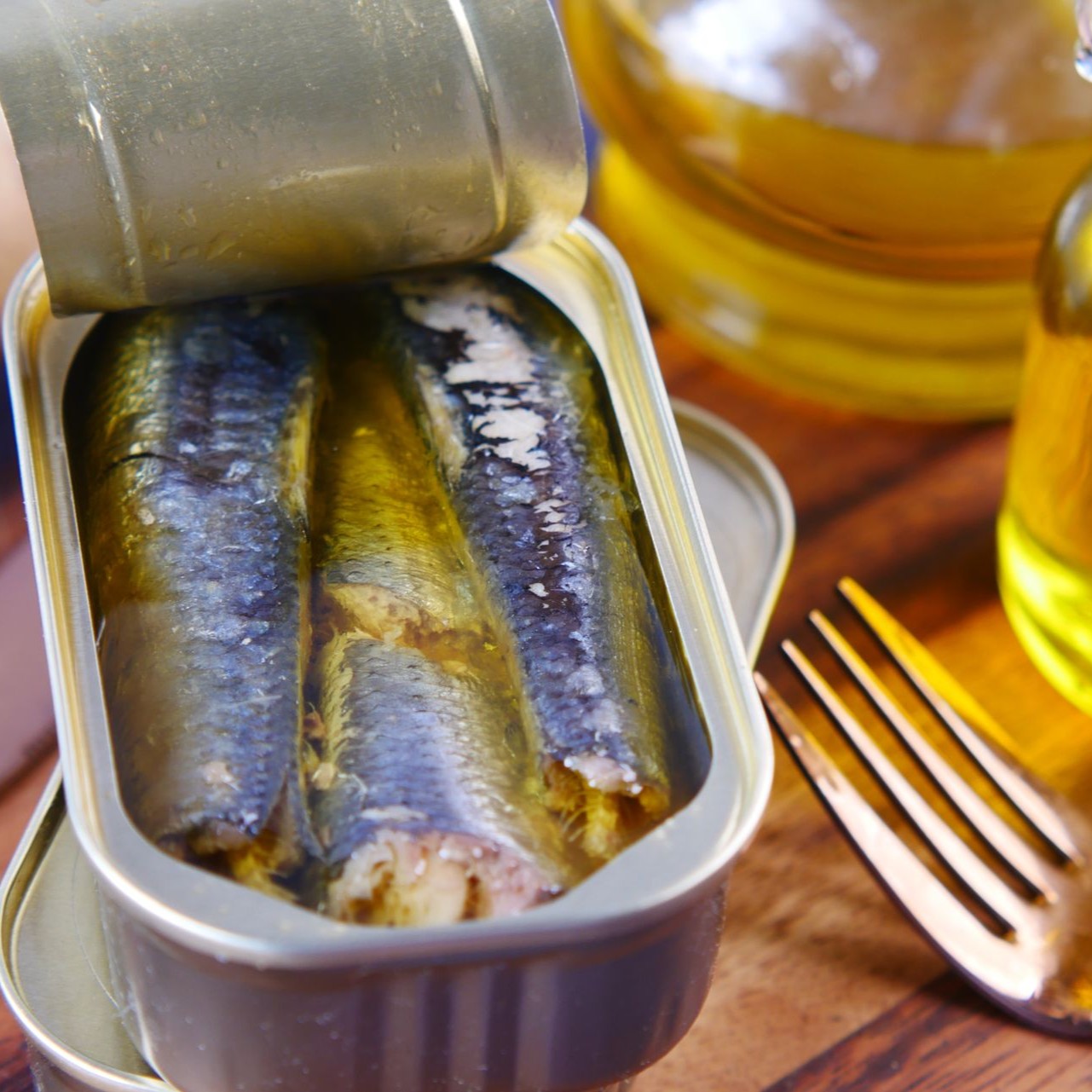
Sardines are nutrient-dense, inexpensive, and more versatile than their reputation suggests. Toss them onto pasta with garlic, olive oil, and a squeeze of lemon, or mash them onto toast with mustard and pickled onions for a quick lunch.
Beans and Legumes
Nothing smells better than a pot of dried beans that’s been simmering low and slow all afternoon, filling the kitchen with garlic and cumin. But that’s a weekend luxury, not a Wednesday reality. Canned beans step in. They give you protein, fiber, and versatility in about five minutes flat.
Rinse them before use to wash away about 40% of the sodium and the starchy liquid from the can. The from-scratch versions live in our dry goods guide if you want the full soaking-and-simmering breakdown.
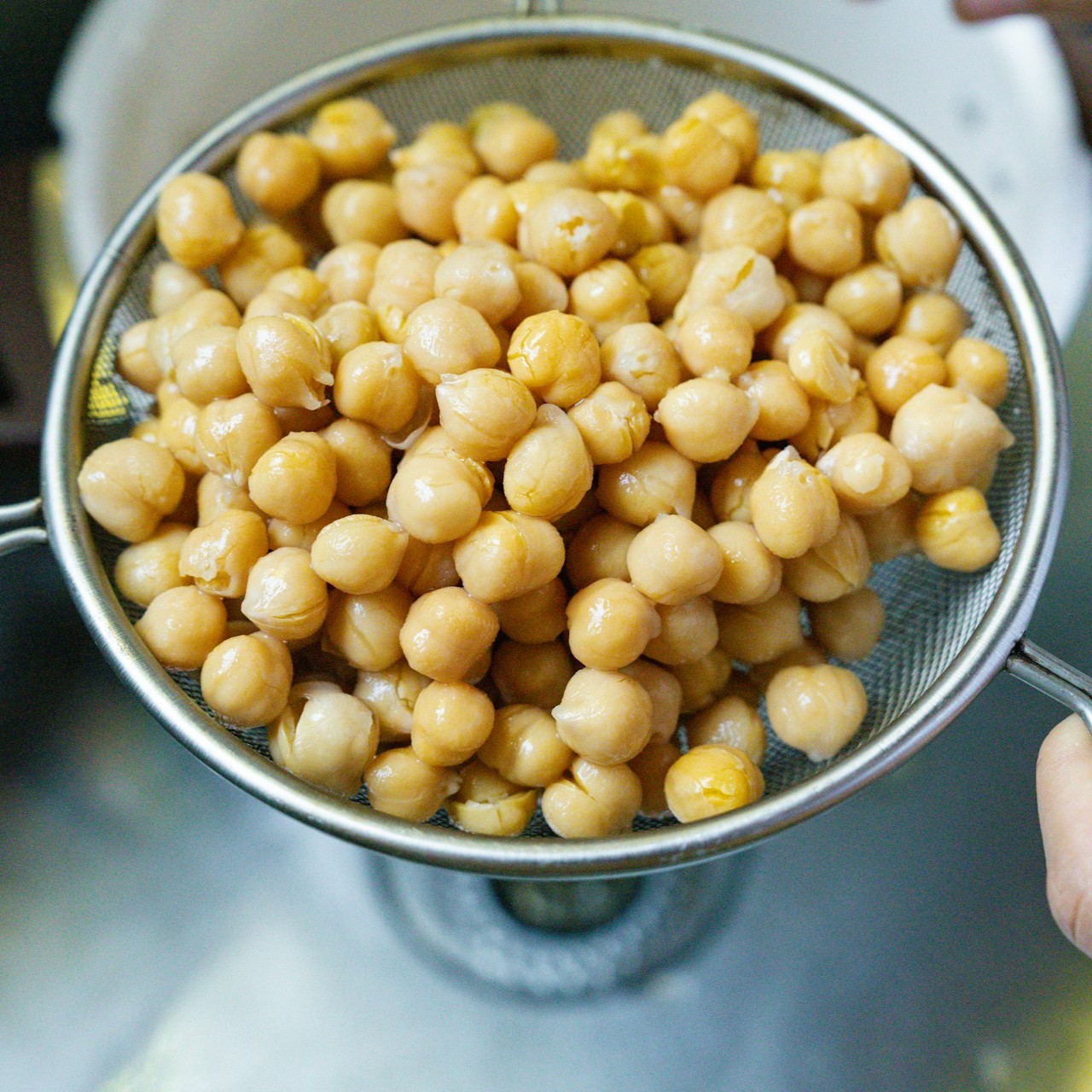
Black beans, kidney beans, and chickpeas cover the widest range of cuisines and recipes, from soups and salads to dips and grain bowls.
White beans (cannellini and navy) puree into creamy soups and dips, hold their shape in salads and braises, and absorb surrounding flavors more readily than denser varieties. A low-sodium version gives you more control over the final seasoning.
Refried beans are the base for anything Mexican or Tex-Mex. Spread them in a burrito, layer them in nachos, or add them as a side. A can turns tortillas and cheese into a meal in under 10 minutes.
Broths and Bases
Cook rice in water, and you get rice. Cook it in broth, and you get something that tastes like you meant it. The same goes for pan sauces, soups, and anything simmered low. Keep at least two varieties on hand so you can match the liquid to the dish.
Chicken, beef, and vegetable broth form the backbone of soups, sauces, and grains cooked with intention. Shelf-stable cartons are the most common format, and they reseal for partial use.
Bouillon (cubes, powder, or paste) solves the space problem. A jar of paste takes up a fraction of the room a carton requires and lasts longer after opening. Better Than Bouillon popularized the paste format and lives in the fridge once opened.
Coconut milk in a can or shelf-stable carton builds the base of curries, enriches soups, and stands in for dairy. Shake or stir before using because the cream separates, and you want all of it. Full-fat versions perform better in cooking than light.
Condensed soups (cream of mushroom, cream of chicken) pull double duty as quick bases. They thicken casseroles, smother pork chops, and build weeknight sauces without a roux.
Jarred pasta sauce saves 30 minutes on a busy evening. A decent marinara over pasta with a salad on the side counts as a real meal. Look for a short ingredient list, and skip any option where sugar appears before the garlic.
Safety Note: Many modern canned goods now use BPA-free linings. If avoiding BPA is a priority, check the label or the manufacturer’s website for confirmation.
Rotation and FIFO
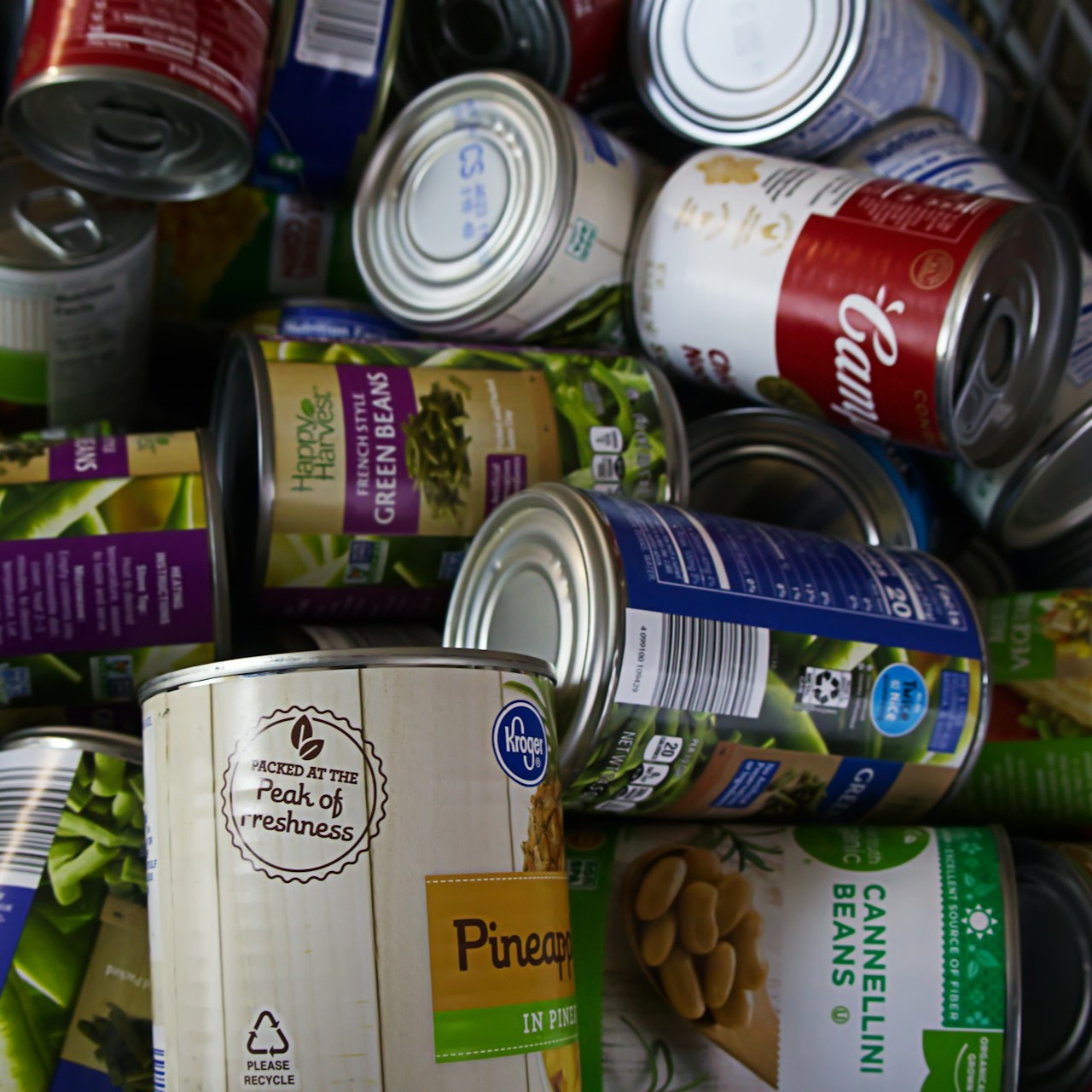
FIFO stands for first in, first out, and it’s a simple system of pantry organization borrowed from restaurant kitchens. The idea is straightforward: Place newer cans behind older cans so you always reach for the oldest purchase first. Canned goods don’t go bad overnight, but they do lose flavor, texture, and nutritional value over time.
Pro Tip: A gravity-fed organizer automates the process. You load new cans from the top or back, and the tilted shelves feed the oldest forward to the front. The Simple Houseware Stackable Can Rack Organizer holds 36 cans, stacks for vertical storage, and assembles in under a minute with no tools.
A few placement rules that keep your rotation working:
Eye level for essentials. Tomatoes, beans, and broth should be the easiest cans to grab. Specialty items (pumpkin, pie filling, coconut milk) can sit higher or lower.
Cool and dry, below 85°F. Garages, spots near the stove, and areas under the sink expose cans to temperature swings and moisture that shorten shelf life and accelerate corrosion.
Group by category. Keep tomato products, beans, and broths in their own zones so you can see at a glance what needs restocking.
Pro Tip: The key to having what you need in a rush is buying it when you don’t need it. If you’re not a big planner, think of your canned goods section as your safety blanket. When you use the last can of something, put it on the list immediately, and buy more than one. That way, the basics are always there.
Spotting the Duds
We’ve all stood in the pantry holding a can with a weird dent, wondering whether it’s fine or whether dinner just got a little more complicated. Most of the time, it’s nothing. But knowing the difference between cosmetic wear and a real problem can save you from a bad meal or worse. These red flags come straight from the USDA Food Safety and Inspection Service.
Red flags that mean toss it immediately:
Bulging ends. A can that swells outward signals gas produced by bacteria inside. Never open a bulging can. Double-bag it in plastic and throw it away.
Deep dents. A deep dent is large enough to lay your finger into. Shallow dings in the body of the can are cosmetic. Deep dents near the seam or along the rim can break the seal and allow bacteria in.
Seam damage. Dents that run along the top rim, bottom rim, or side seam are the most dangerous. The seam is the weakest structural point, and any deformation there compromises the seal.
Leaking. Any moisture, stickiness, or visible liquid on the outside of a sealed can means the seal has failed. Discard without opening.
Heavy rust. Surface rust you can wipe off with your finger is cosmetic. Rust that pits into the metal or refuses to rub away can create tiny holes. If you open the can and find rust inside, discard the contents.
Cracked jars or loose lids. Jars with chipped rims, cracked glass, or lids that have lost their vacuum seal are no longer safe. A lid that pops up and down rather than staying concave has lost its seal.
Foul odor or spurting liquid. A gentle hiss from a vacuum-sealed can is normal. Forceful spurting, a loud pop, or any off smell when you open the container means the food may be contaminated. Don’t taste it.
When in doubt, throw it out. The cost of a single can is never worth the risk. Botulism from commercially canned food is rare, but it’s serious, and damaged packaging is the primary entry point.
Shelf Life vs. Printed Dates
The dates stamped on cans are about quality, not safety. Federal regulations don’t require expiration dates on canned goods (infant formula and some baby food are the only exceptions). The labels you see (“best by,” “use by,” “sell by”) tell you when the manufacturer expects peak flavor and texture, not when the food becomes unsafe to eat.
As a practical guide, the USDA divides shelf-stable canned goods into two broad categories:
Low-acid foods (meat, poultry, soups, vegetables, beans, corn, pumpkin) last 2–5 years unopened when stored properly.
High-acid foods (tomatoes, citrus juices, fruits, pickled items) last 12–18 months. The acid gradually reacts with the metal lining, which can affect taste and texture over time even if the can remains sealed.
After opening, refrigerate unused portions in a clean container (not the can itself, since the exposed metal can affect flavor). Low-acid foods keep for 3–4 days refrigerated. High-acid foods keep for 5–7 days.
The Working Pantry
Your pantry should feel like a tool you reach for with confidence, not a time capsule you avoid opening. Stock the canned goods that match how you cook, rotate them so nothing gets lost in the back, and know the difference between a can that has aged gracefully and a can that needs to go. The next time you’re staring down 5:45 PM with nothing thawed, you’ll be glad you did.
Once your cans, jars, and cartons are sorted, the sauces and seasonings that tie them together deserve the same attention. Head to our condiments and spreads guide for the full lineup, plus storage rules and product picks.
All details were verified at the time of publication and may change without notice. Please confirm current information before making a purchase. Storage timelines are sourced from the USDA’s Shelf-Stable Food Safety guidance.





Leave a Comment
Your email address will not be published. Required fields are marked *