
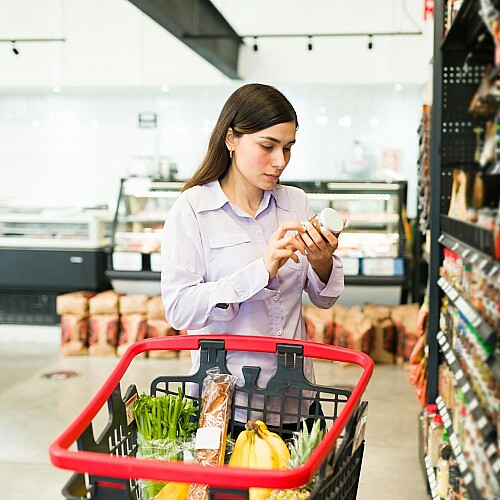
Groceries cost more than they used to, and you feel it on every trip. Prices at the checkout keep climbing, piled on top of the steepest surge in four decades. So that little hesitation in the cereal aisle, reaching for the familiar name or the cheaper stand-in that costs a third less, is where store brands have won over millions of carts.
That thriftier box often rolls off the same production line as the pricier one right next to it. Private label has shed its dented-can, plain-wrapper days and grown into a real rival for the household names. It’s become a win-win, really, since you trim your grocery bills without sacrificing taste or quality.
The trick is knowing where the house brand is the smarter grab and where the original still deserves the spot. So let’s walk the aisles together.
From Cheap Knockoff to Legit Contender
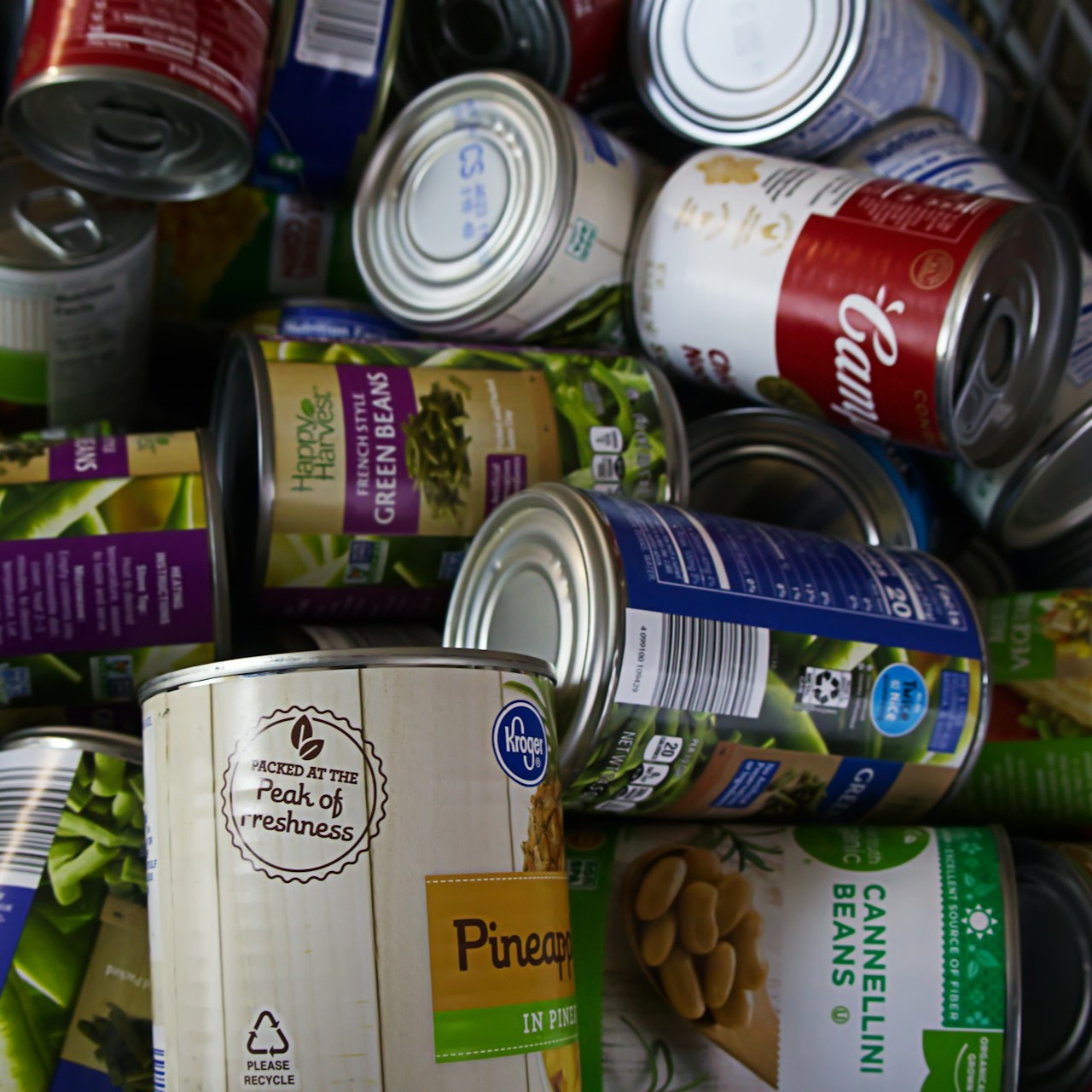
Not long ago, generic meant a stark white package with plain black lettering, and it usually tasted like the discount it advertised. Two things rewrote that reputation.
The first is who really makes the food. A striking share of private-label groceries are co-manufactured in the very same plants as the pricier originals, sometimes to nearly an identical recipe. In plenty of cases, the only thing that changes at the end of the line is the logo on the box.
Consumer Reports has traced the trail directly. Reynolds’ Presto subsidiary turns out house-label storage bags and plastic wrap, Taylor Farms packs the salads sold under both Trader Joe’s and Kroger, and BrucePac cooks chicken for several chains’ own lines.
The second is the math printed on the price tag. National labels pour billions into advertising, prime shelf placement, and sponsorships, and every bit of that gets folded into what you hand the cashier. A house version skips most of that spend, and the savings land in your wallet.
The Major Players Worth Knowing
Nearly every big grocer now fields its own label, and a handful have turned it into a genuine craft. Here are the ones you’ll recognize on your next run:
Kirkland Signature (Costco). Launched in 1995, it now outsells plenty of the marquee brands it shares a warehouse with, spanning everything from olive oil to trail mix.
Great Value and bettergoods (Walmart). Great Value handles the everyday basics, while bettergoods, a premium store brand that arrived in 2024 with chef-inspired flavors, keeps most items under $5.
Good & Gather (Target). Target made this its flagship food line in 2019, and it’s become the anchor of the chain’s grocery section.
Simple Truth and Private Selection (Kroger). Kroger runs a tiered lineup, with Simple Truth handling natural and organic since 2012 and Private Selection playing the upscale, gourmet-leaning card.
365 (Whole Foods). Now under Amazon, the 365 brand put clean-label pantry staples within easy reach, no wince required at checkout.
Aldi and Trader Joe’s. Aldi flipped the whole script, stocking roughly 90% exclusive brands, and cult-favorite Trader Joe’s follows the same idea, where the house label basically is the store.
Where Store Brands Win
For a big slice of your cart, the house version isn’t a compromise at all. It’s the clear pick. Here’s a quick cheat sheet before we dig into the why:
Smarter Buy | Why | |
|---|---|---|
Pantry staples (flour, sugar, spices) | House label | Plain commodities with no secret formula to pay extra for. |
Dairy (milk, cheese) | House label | Private label leads these outright, often from the same dairies. |
Eggs and frozen vegetables | House label | Store labels claim about two-thirds of these sales. |
Foil, bags, cleaning supplies | House label | Frequently packed by the suppliers behind the originals. |
Signature snacks and sodas | Name brand | Proprietary recipes your palate can pick out in a heartbeat. |
Specialty and cult items | Name brand | Unique formulas where the original is the entire point. |
Start with the basics. Flour, sugar, baking soda, and most spices are commodities with no guarded recipe, so the logo buys you almost nothing. Dairy items tell a similar tale, where the generic option doesn’t just keep pace, it leads. For help building out the rest of that shelf, check our pantry staples guide.
Quality holds up under independent scrutiny, too. In Consumer Reports taste tests, Kroger’s Creamy Ranch beat Hidden Valley at less than half the cost per serving, and Aldi’s condensed chicken noodle soup outscored Campbell’s, which ran nearly twice the price. Frozen produce, foil, and cleaning supplies round out the easy calls, since so many of them share a supplier with the pricier boxes.
Where Name Brands Still Win
Some products are the recipe. A signature cola, a particular sandwich cookie, your must-have hot sauce, these live and die on a formula the maker guards like a vault, and your taste buds usually know within one bite.
Texture and performance can swing it as well. A sturdy trash bag that doesn’t split under a heavy load or chocolate that melts the way you expect may be worth the extra dollar. The honest move is to treat these as the exceptions rather than the rule, then your own kitchen settles the argument.
The Savings Math
Put a dollar figure on it, and the case gets loud. Across the store, private label runs 25–30% below the equivalent national product, and by one industry estimate, a family of four could pocket around $5,000 annually by switching where it counts.
The habit is catching on fast. Americans rang up a record $282.8 billion in store-brand sales in 2025, roughly a quarter of everything sold, and those choices trimmed shopper spending by an estimated $35 billion in just 12 months. Grocery prices ran 2.7% higher this past June than the year before, and after a stretch of food inflation like that, private label has been outgrowing the big names by about three to one, steadily claiming a larger share of the cart.
One move makes the math obvious: Check the price per unit, that small number tucked on the shelf tag. It cuts through package-size trickery and shows what you’re really paying per ounce, which is where the house advantage tends to jump right off the label.
How to Test-Drive a Store Brand
Curious but not ready to gamble a whole grocery haul? Ease in with a few low-stakes moves:
Begin with forgiving commodities like canned beans, frozen produce, and baking staples, where a miss sets you back a dollar or two at most.
Trade just one item per trip so that a single dud doesn’t sour you on the entire approach.
Weigh the price per unit on the tag rather than the sticker up front, and the real difference comes into focus.
Run a blind taste test at home, pouring both options into plain bowls and letting the family vote with no labels in sight.
Skim the ingredient list because a near-identical roster is a strong clue you’re mostly funding fancier packaging.
Worth a Spot in Your Cart
The old reflex, that a bigger sticker automatically signals better, simply doesn’t hold at today’s grocery store. A store brand can be the identical item in humbler packaging, an honest step down that saves you real money, or once in a while a swap worth passing on. The knack is telling which is which.
Get the sure things in your pantry and freezer first, trust your own palate over the branding, and let that price-per-unit tag settle the close calls. Your cart and your budget will feel the payoff long before dinner does. For more on what’s shaping the shelves, browse our food industry trends coverage.
All product details, pricing, and availability were verified at the time of publication and may change without notice. Please confirm current information before making a purchase.



Leave a Comment
Your email address will not be published. Required fields are marked *