

Food poisoning has been stuck on repeat in the media recently. A fresh outbreak makes the rounds, a familiar chain lands in the story, and suddenly, your server looks a little suspicious. Restaurant Food Safety headlines have a way of hijacking the whole idea of eating out, and it’s easy to swing from “no big deal” to “I’m cooking at home forever” when you’re hovering over the toilet after a meal out.
You don’t have to pick between those two extremes. The truth sits in the middle, and it becomes a lot less alarming once you understand what these outbreaks are, why they keep landing in your feed, and what a few small habits at the table can do for your peace of mind. Think of the next few minutes as a friendly briefing from someone who’s already skimmed the government guidance.
The Truth Behind the Latest Headlines

Most of the names in the news belong to a small handful of germs. They’re assorted culprits that share the same core misery, some cleared in a couple of days and others dragging on for weeks. Severe cases carry enough dehydration risk to send people to the doctor.
Cyclospora is a parasite that hitches a ride on produce like romaine, cilantro, and berries, causing prolonged watery diarrhea, fatigue, and loss of appetite.
Salmonella and E. coli show up on undercooked meat, contaminated leafy vegetables, and, for salmonella especially, raw eggs. Both can hit hard and fast, with symptoms showing up anywhere from six hours to a few days after exposure.
Norovirus is the ever-charming stomach bug that tends to spread through ill food handlers or shared surfaces. It’s wildly contagious and causes more foodborne illness than any other germ on the CDC’s list.
Foodborne illness reaches further than diners realize. CDC estimates that 48 million Americans get sick from food poisoning annually, with 128,000 hospitalizations and 3,000 deaths. That’s roughly one in six of us, though most cases never get formally diagnosed because the symptoms look a lot like the flu and clear on their own.
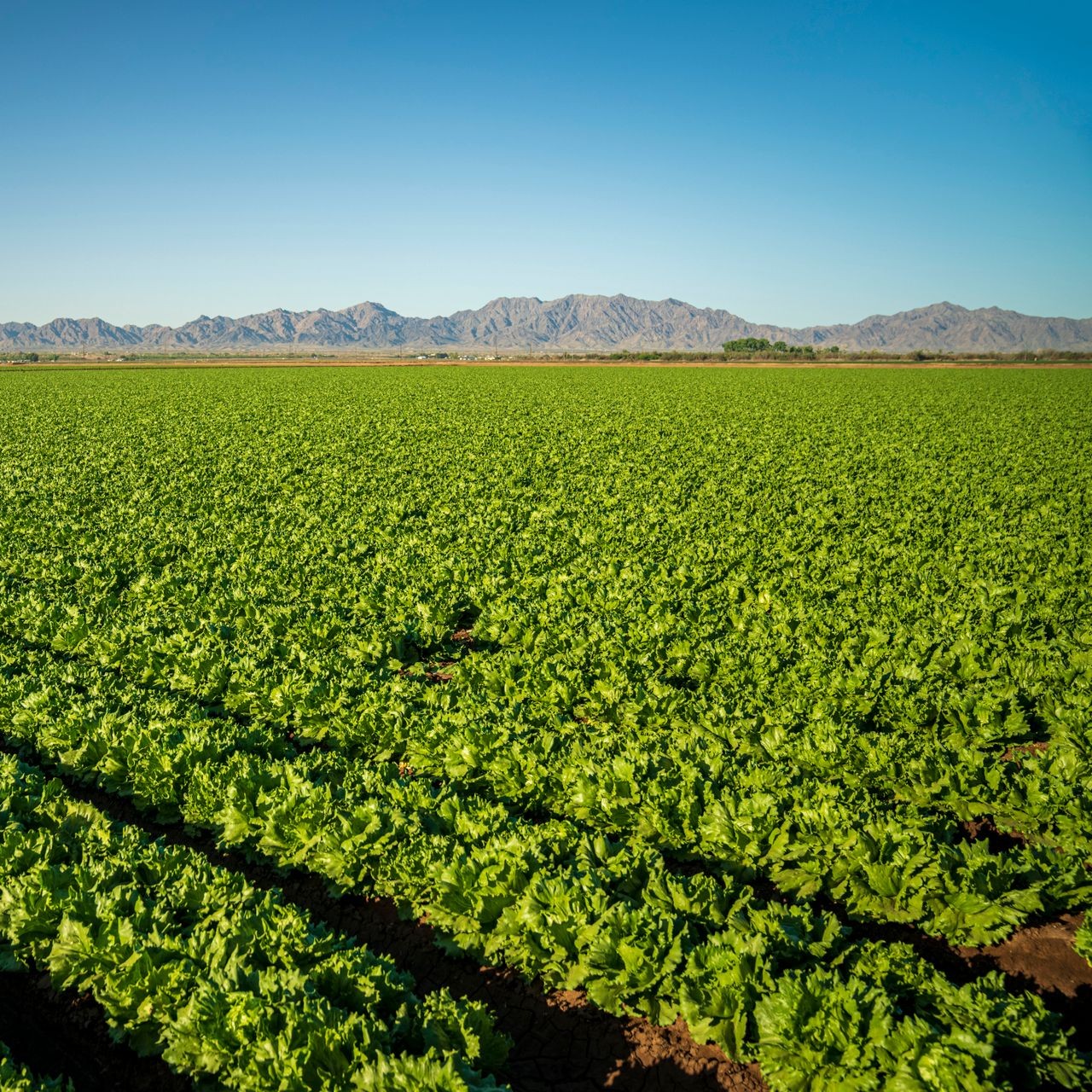
A recent example that made national headlines is the Cyclospora outbreak tied to Taylor Farms iceberg lettuce, which prompted a multistate recall and remains under CDC and FDA investigation. Tainted heads move through a large-scale supply chain, land at grocery stores and restaurants.
Eaters in several regions start feeling unwell within a week. The same produce that reaches restaurant kitchens ends up in yours, which is why our fresh and frozen ingredient guide is worth a read for home handling.
Why It Feels Like Outbreaks Are Everywhere
Two things are behind the steady drip of outbreak headlines, and they pull in opposite directions. One is why contamination really does travel further than it used to. The other is why we hear about it faster.
The less cheerful reality is supply chain math. A single lettuce farm can ship product to dozens of regions and hundreds of dining spots in a week, so one bad batch turns into a cross-country story instead of a local blip. More ready-to-eat produce, more centralized processing, and more delivery routes all add up to broader footprints when something goes wrong.
On the encouraging side, public health labs got dramatically better at spotting clusters. The CDC’s PulseNet network now uses whole-genome sequencing to fingerprint bacteria from patients in different states and match them to a common source within days.
That kind of rapid detection is a huge leap. Illnesses that used to look like isolated stomach bugs get linked into a formal outbreak much faster, which means more headlines even when the underlying rate of restaurant food safety incidents hasn’t jumped.
Your Diner Playbook
So the outbreaks are real, and the headlines aren’t going away. The good news is you’re not powerless at the table. The CDC and FoodSafety.gov lay out a simple before-during-after framework for diners, and here’s the plain-English version of those dining out tips.
Before You Go
Look up the health inspection score for the spot you’re considering. Many jurisdictions post placards in the window or letter grades on the door, and the rest publish results online (more on that in a moment).
If you’re on Yelp, check the “Amenities and More” panel on a restaurant’s page. Some markets pull in an estimated sanitation grade right there.
Skim recent reviews for repeat mentions of stomach trouble. One complaint is noise. A cluster of matching accounts in the same month is a signal.
At the Table
Trust your temperature check. Hot food should arrive steaming, and cold plates like ceviche or a wedge salad should feel genuinely chilled. Lukewarm is the danger sign, and the same rule applies at self-serve buffets.
Send back anything that isn’t fully cooked. Poultry, ground meat, seafood, and eggs need to hit safe internal temps to kill germs. A pink burger is a personal choice; a rare chicken breast isn’t.
The CDC recommends asking about pasteurized eggs in menu items like Caesar dressing, hollandaise, tiramisu, and custards. Realistically, your server probably won’t know, and most restaurant versions aren’t made from scratch. If raw or undercooked yolks are a concern for you, those are the menu items to skip.
Look for a food safety certificate near the register or on the wall. It signals a trained manager, better kitchen hygiene, and fewer cross-contamination slips.
Wash your hands before you eat. Basic handwashing is one of the few variables entirely under your control.
With Your Leftovers
Follow the two-hour rule. Refrigerate within 120 minutes of when the food came off the heat or within 60 if the container has been sitting in a hot car or on a patio table under summer sun. Between 40°F and 140°F sits the danger zone, where bacteria multiply fast.
Use shallow containers so the food cools quickly. A deep pot of pasta can stay warm in the middle for hours.
Eat what’s saved within three to four days, and reheat to 165°F until piping hot throughout.
How to Find Your Local Inspection Reports
All US restaurants are inspected by a city or county health department, and the results are on the record. The tricky part is that no two jurisdictions score them the same way. Some markets use letter grades (A, B, C), some use a 100-point scale, and others just note pass or fail alongside a list of infractions.
The fastest way in is the Association of Food and Drug Officials’ public directory of jurisdiction portals across most states. Pick your area, click through to the local site, and search by restaurant name or address. Big cities like New York, Los Angeles, and Chicago also run their own dedicated lookup tools.
Once you find a report, focus on a few things. Repeat violations across visits carry more weight than a single ding. Critical or “priority” issues (temperature abuse, pest evidence, sick worker policies) deserve more attention than paperwork slips. And a fresh follow-up showing the problems were corrected is often more reassuring than a clean history from two years ago.
Keeping Restaurant Food Safety in Perspective
Even during a loud food scare, the US food supply is one of the safest in the world, and most meals out are fine. Yes, more than half of foodborne outbreaks trace back to sit-down spots, delis, and institutional kitchens, but that’s partly because those places serve millions of us daily, and any single misstep gets multiplied downstream.
Eating out safely comes down to a handful of small habits, not vigilance around the clock. Check a score before you commit, trust your senses at the table, and treat leftovers like perishable food. Do that, and you can savor the meal without turning dinner into a risk-management exercise.
This article is for informational purposes only and does not replace medical advice. All information was verified at the time of publication and may change without notice. Contact your healthcare provider or local health department if you suspect a foodborne illness.






Leave a Comment
Your email address will not be published. Required fields are marked *