
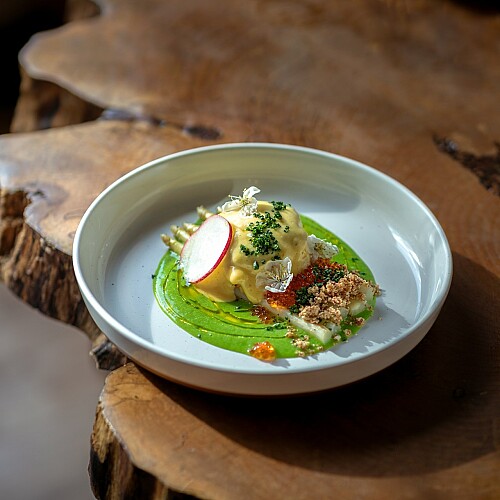
You’ve spent an hour in the kitchen perfecting that seared salmon, and it smells incredible. Then you slide it onto a plate next to a scoop of rice and some steamed broccoli, and honestly? It looks like a cafeteria special. Good food presentation is the difference between a plate that gets a polite “looks great” and the kind that makes people reach for their phones before they pick up a fork.
We eat with our eyes first. Color, shape, and arrangement register before the first bite, and they prime your brain to enjoy everything more. Restaurants have known this forever, which is why even a straightforward grilled chicken breast arrives looking like someone cared about it. The wild part is how little effort it takes to get that same effect at home.
Culinary school is not a requirement. Neither is fancy equipment. A few easy principles and a couple of cheap tools (we’re talking under $15) elevate a regular Tuesday dinner into something that feels genuinely special, whether you’re planning a party or just making yourself a plate you’re proud of. Think of it as the final step after the cooking techniques that got you here.
Color, Height, Texture, and Negative Space
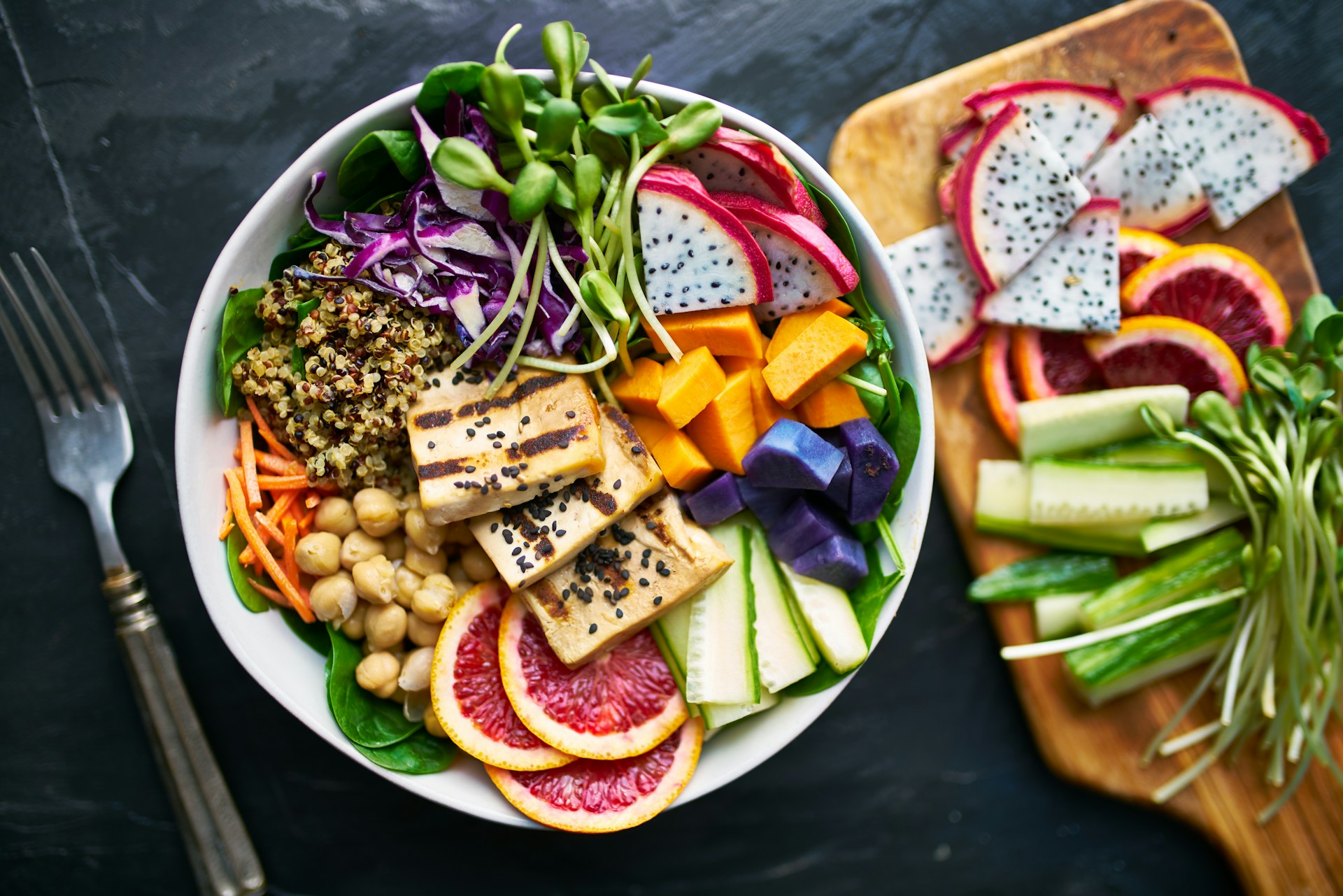
Four principles are behind almost every good-looking plate you’ve seen. Once you start noticing them, you’ll spot them everywhere, from your favorite restaurant to cooking shows to your aunt’s Thanksgiving spread that somehow always looks magazine-ready.
Color Contrast
A plate of all-beige food can taste phenomenal, but it photographs like a bowl of oatmeal. Bright greens, deep reds, and warm yellows catch the eye and signal freshness. Think of a scatter of vibrant herbs over a golden risotto or a cluster of cherry tomatoes alongside a pale fillet of fish.
A rainbow on every plate is overkill. Even one contrasting color lifts the entire composition. A pinch of paprika over hummus, a handful of pomegranate seeds across a grain bowl, or a drizzle of bright green herb oil on white soup can transform a monochrome dish into something that draws the eye.
Height and Layering
Spread-out plates look two-dimensional. Stacking and layering give your food depth and draw attention upward, creating visual interest.
Lean asparagus spears against a mound of mashed potatoes. Rest a protein on top of a bed of grains instead of beside it. Even a slight tilt or overlap adds dimension that keeps the eye exploring.
Height doesn’t have to mean architectural towers. A generous swirl of purée with a piece of fish resting against it counts as layering, too. Building up by just half an inch or so signals intention.
Texture Variety
Crispy, creamy, crunchy, and soft all look different on a plate, and that contrast signals complexity. A handful of toasted breadcrumbs over a silky soup or a few shards of crisp shallot on a velvety purée tells your guests there's more going on than meets the eye.
If everything on the plate has the same surface, something is missing. A scatter of toasted nuts, a drizzle of crunchy oil, or a few raw vegetable shavings can break up the monotony and give each bite a different tactile experience.
Negative Space
The empty part of the plate matters just as much as the food. A clean border around your composition gives the eye a place to rest and makes the dish feel deliberate. Overcrowding is the fastest way to make a carefully cooked meal look like a cafeteria tray.
Leave breathing room, and the food you do plate will command more attention. White space is the frame around the art.
Easy Rules for Better Food Presentation
Principles are great for understanding why a plate looks appealing. Rules give you a shortcut to making it happen without overthinking the dish.
The Rule of Thirds
The rule of thirds, a composition trick from painting and photography, divides your plate into an imaginary three-by-three grid. Place your focal point (usually the protein or the star of the dish) off-center, where a pair of grid lines intersect. This creates a natural sense of balance and composition without looking staged.
Dead center feels stiff. If you’ve ever noticed that plated dishes in magazines rarely put the main element smack in the middle, now you know why. Asymmetry looks intentional.
Choosing the Right Plate
A white plate is the most forgiving canvas you can use. It makes colors pop, it doesn’t compete with the food, and it photographs cleanly under almost any lighting.
Smaller plates help, too. A normal serving on a 10-inch plate looks generous, while the same serving on a 14-inch platter looks lost. Match the dinnerware to the portioning.
Shape and color should complement the dish. Round plates suit composed, layered meals. Rectangular or oval plates work well for items arranged in a line, such as sushi or sliced meats.
A dark plate can be stunning under a pale piece of fish, but it takes more deliberation to pull off. When in doubt, go simple and let the food do the talking.
Odd Numbers
Odd groupings look more natural than even ones. Three scallops on a plate feel composed; four feel like a grid. Five shrimp in a loose cluster come across as abundant; six look regimented. This isn’t a hard rule for all dishes, but when you’re placing individual items (meatballs, crostini, dumplings), start with an odd number and see how it sits.
The effect comes from asymmetry. Odd numbers prevent the eye from splitting the arrangement into equal halves. The result feels organic rather than mechanical, and it works whether you’re arranging party food and drinks on a board or plating individual bites for a sit-down course.
Don’t Overcrowd
Resist the urge to fill every inch. A plate with open space around the food reads as confident and curated, while a plate piled to the edges reads as hurried.
You can always offer seconds, and a clean, intentional arrangement makes even a modest serving feel generous. If you’re worried about portions looking small, a slightly smaller plate solves the problem without sacrificing your composition.
Cheap Tools That Enhance Your Plating
Professional chefs have drawers full of specialized plating gear, but you can get 90% of the effect with three or four tools, all under $15 each. These are the pieces that are useful well beyond food presentation night.
Squeeze Bottles
A plastic squeeze bottle gives any sauce the precision of a pastry chef’s hand. Drizzle a balsamic reduction in a clean arc, dot a purée in a tidy pattern, or swirl a coulis around the base of a dessert. Restaurant kitchens keep a dozen of these loaded and ready, but one or two are all you need to finish a plate cleanly at home.
Look for food-safe bottles with a pointed tip for thin sauces and a wider opening for thicker condiments. Most kitchen supply stores carry them for under $5 apiece, and they’re dishwasher safe. A dependable pick is the OXO Chef’s Squeeze Bottles set, which comes in a two-pack with both tip styles and measurement markings on the side.
Ring Molds
A stainless steel ring mold (sometimes called a forming ring or plating ring) gives you perfectly shaped towers of rice, layered salads, or stacked tartare. Pack your ingredients into the mold, press gently with the back of a spoon, lift, and you’ve got a composed element that looks like it belongs on a tasting menu.
Sets typically run $8–12. The HULISEN ring mold set includes four seamless stainless steel rings plus a pusher, which makes lifting the mold away without collapsing your composition a lot easier. They also work beautifully for eggs, crab cakes, and molded desserts.
Offset Spatula
Originally a baker’s tool, an offset spatula is ideal for spreading sauces, smoothing purées, and placing delicate items without disturbing the rest of the arrangement. The angled blade keeps your knuckles out of the food and gives you fine control over every smear and swoosh.
A single offset spatula costs around $5–10 at most kitchenware shops and does double duty for frosting cakes. The Wilton 9-inch angled spatula is the classic pick, with a contoured handle and a flexible blade. If you buy only one plating tool, make it the offset spatula.
Tweezers (Optional)
Fine-tipped kitchen tweezers let you position small garnishes (a single microgreen, a flower petal, a sliver of chili) with pinpoint accuracy. They’re not essential, and your fingers will handle most jobs. But if you find yourself fussing with herb leaves using chopsticks, a $6 pair of plating tweezers will feel like a revelation.
Finishing Touches
The last 30 seconds of plating are where everything comes together. A few quick habits separate a nice-looking plate from a polished one.
Edible Garnish
A sprig of herbs or a scattering of edible flowers can add that final pop of color and signal that every detail was considered. The key word is edible. Decorative parsley that nobody eats is a relic. Choose garnishes that complement the flavor, such as basil on a tomato dish, microgreens over avocado toast, or citrus zest over seafood.
A few reliable options to keep on hand: flaky Maldon salt adds sparkle and crunch, freshly cracked black pepper gives visual contrast on lighter dishes, and a drizzle of high-quality olive oil catches the light in a way that signals care. Even a simple lemon wedge, charred briefly on a hot pan, can add both color and a touch of smoky aroma.
Sauce Patterns
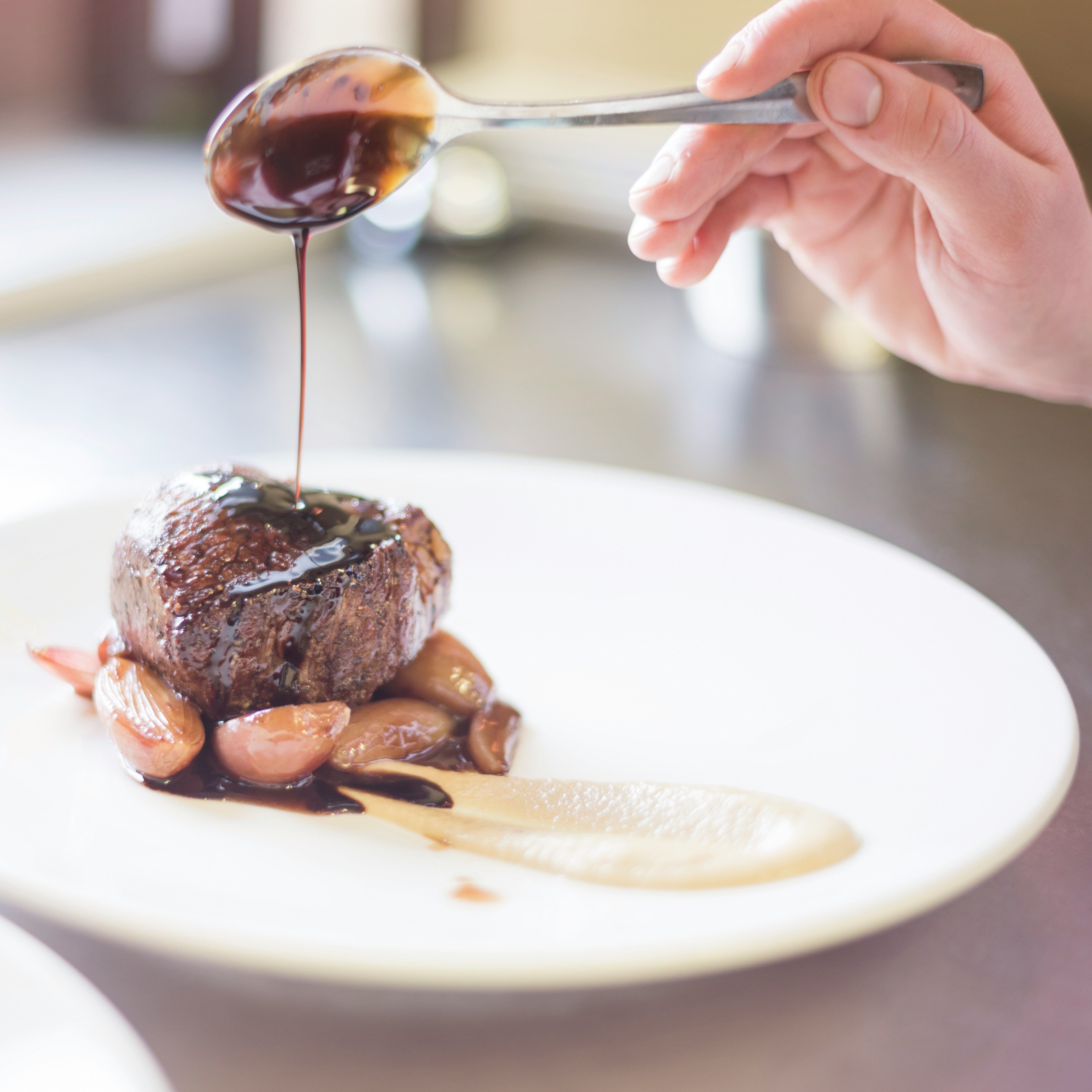
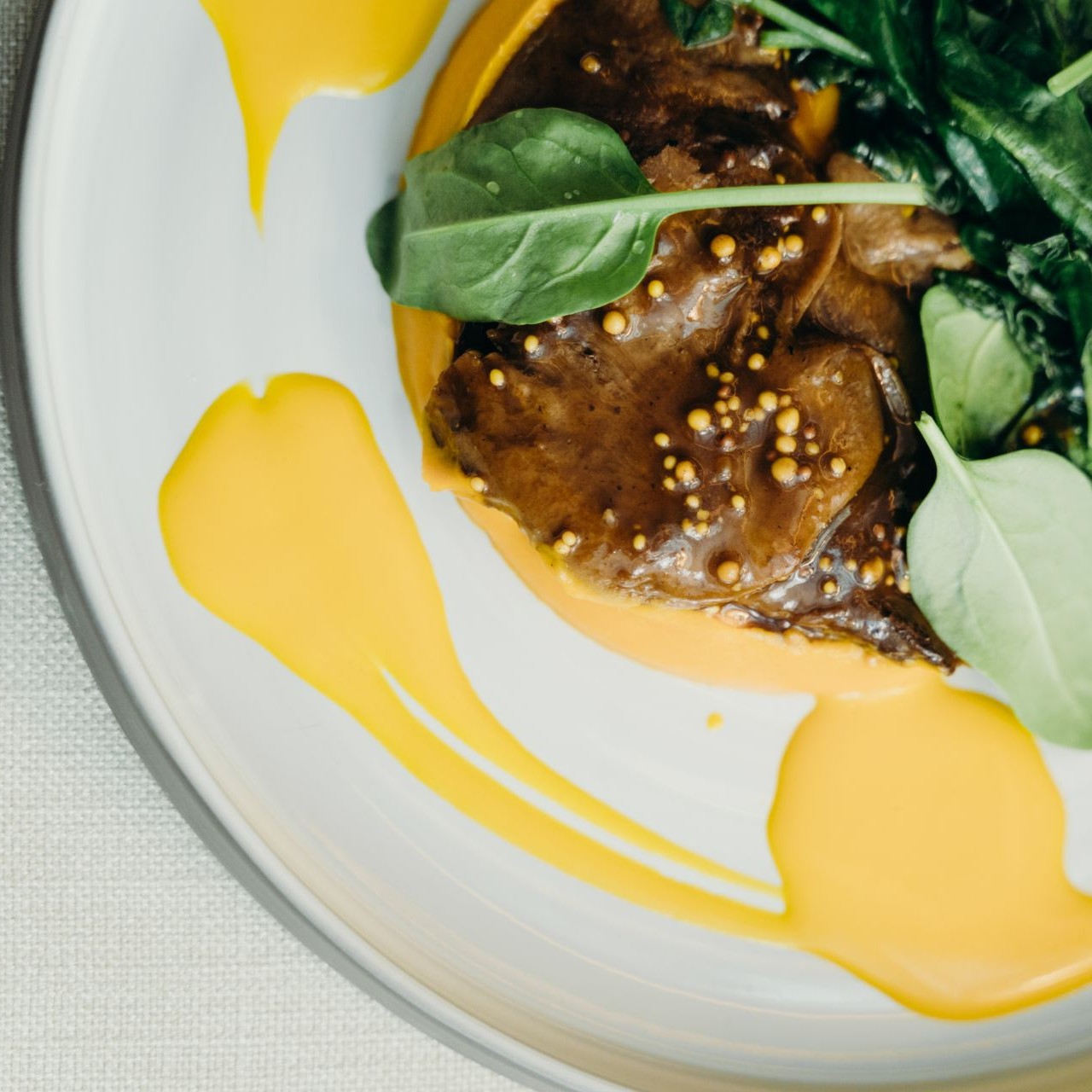
A sauce drizzle is the simplest way to add a professional flourish. A single clean arc of balsamic glaze across a white plate, a few small dots of pesto along the rim, or a swoosh of yogurt pulled through with the back of a spoon can tie the whole composition together. The goal is one deliberate gesture, not a Jackson Pollock.
Thin sauces work best in squeeze bottles; thicker purées respond better to a spoon or spatula swipe. Practice on a paper plate before committing to the real thing, and remember that less is almost always more.
Wipe the Rim
This is the easiest trick in the book. A damp paper towel around the edge of the plate cleans up sauce drips, fingerprints, and stray crumbs in seconds. It’s the difference between a plate that looks carefully assembled and one that looks like it came through a busy pass.
Timing
Plate right before your guests sit down. Greens wilt under warm protein, sauces dry out, and crispy elements lose their crunch. If you assemble too early, all that composition slowly falls apart while it waits.
A dish that’s arranged and served within a minute or two of completion looks (and tastes) noticeably fresher than one that’s been sitting on the counter. If you’re serving multiple courses, keep components warm separately, and assemble each plate right before it goes out.
One Technique, One Dinner
If you try to overhaul every plate in a single night, you’ll burn out before the entrée hits the table. Pick one technique, and practice it on your next dinner.
Leave more negative space. Grab a squeeze bottle and play with sauce patterns. Try wiping the rim as a final step.
Once that move feels natural, stack another on top of it. That’s how restaurant cooks sharpen their food styling, and it’s how home cooks build confidence without turning dinner into a stressful production.
The goal of good food presentation is making food that looks as delicious as it tastes, plate by plate, meal by meal. Your family won’t grade your swoosh technique; they’ll just notice that dinner looks really, really good tonight. And that feeling never gets old.
All details were verified at the time of publication and may change without notice. Please confirm current information before making a purchase.



Leave a Comment
Your email address will not be published. Required fields are marked *