
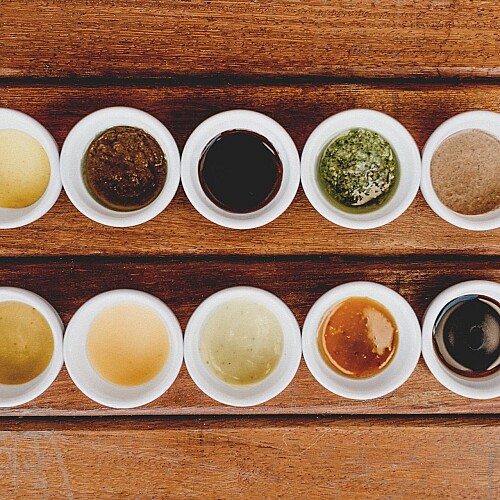
The chicken came out fine. The vegetables roasted beautifully. But you’re still standing at the counter thinking, “This needs… something.” Nine times out of 10, that “something” lives on the condiment shelf. A drizzle of soy sauce in the pan. A spoonful of Dijon whisked into the dressing. A splash of hot sauce you weren’t planning on but couldn’t resist.
Most people think of this shelf as the squeeze-bottle crowd: ketchup, mustard, mayo, done. But the condiments can stretch so much further than that. Think fish sauce and miso paste, balsamic vinegar, extra-virgin olive oil, and the jar of peanut butter you reach for at 9 PM when dinner feels like a distant memory. Every bottle here saves you time, adds a layer of flavor you’d otherwise spend minutes building from scratch, and goes further than the label lets on.
Our full pantry staples list covers the shortlist. Now we go deeper:
Every bottle worth keeping
The smartest ways to use each past the obvious
A zoning setup so nothing hides behind the tall bottles
Shelf-life rules that tell you when a bottle has run its course
Sauces and Umami
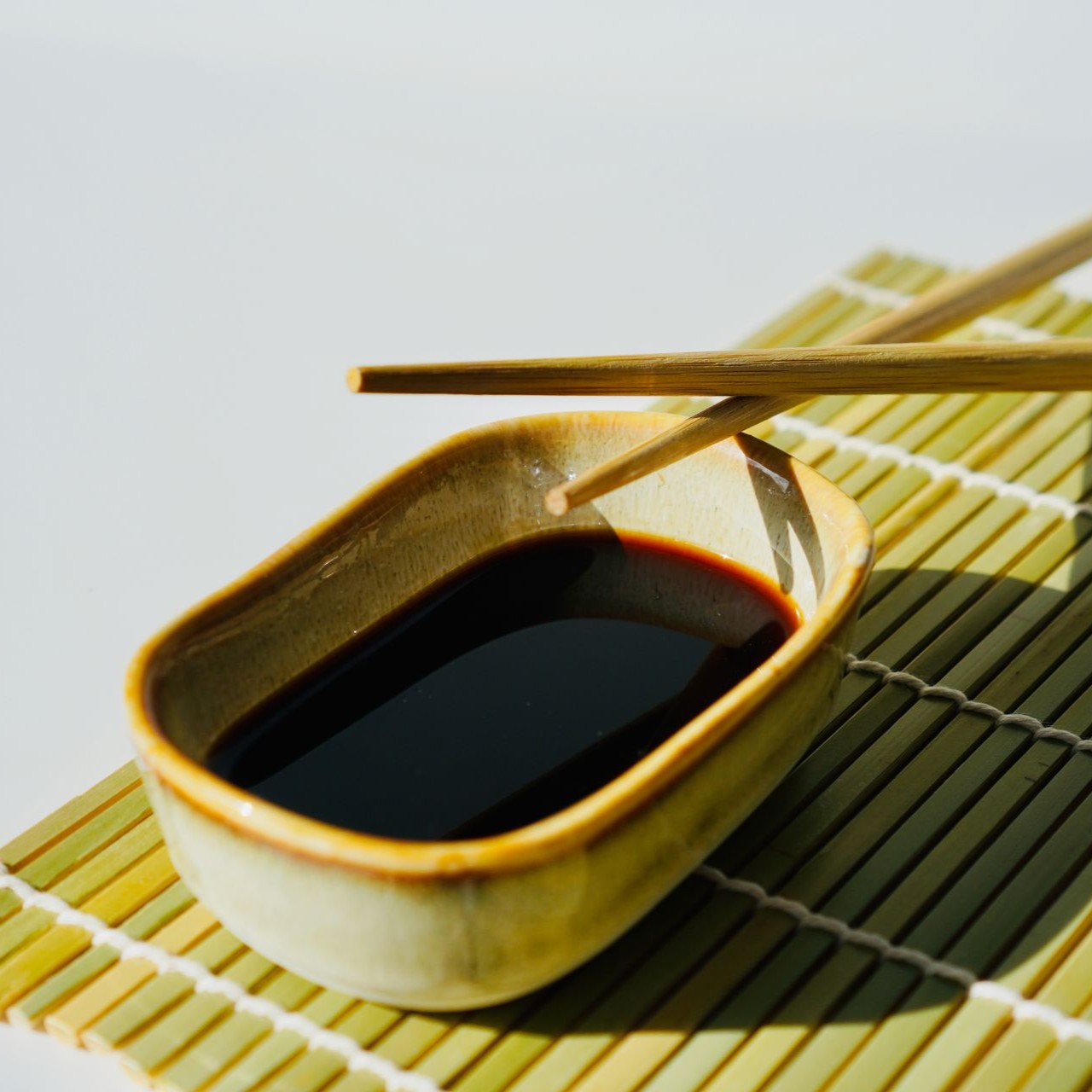
These bottles add the savory depth salt alone can’t reach. When a dish tastes flat and another pinch only pushes it saltier, the answer is usually one of these condiments. The dried spices and seasonings in our dry goods guide build depth from the other direction, so the two shelves work as a team.
Soy Sauce or Tamari. This does the work of salt and a flavor booster in a single splash. A little in a braise, marinade, or pan sauce reaches a dimension plain seasoning never gets to, and a few drops wake up a pan of caramelizing onions or a mushroom gravy. Tamari is typically the gluten-free option (check the label to confirm), and it tends to run slightly richer.
Fish Sauce. This is the most counterintuitive bottle you’ll own because it adds a fermented, umami punch without tasting remotely like fish. It’s essential to Thai and Vietnamese cooking, and it works as a covert agent in Bolognese, chili, and Caesar dressing. A teaspoon in a pot of braised greens pulls real weight.
Worcestershire Sauce. It’s tangy and a little sweet, with an umami spine that lifts marinades, Bloody Marys, meat sauces, and stews. A few dashes disappear into a burger mix or a shepherd’s pie and leave the whole thing tasting deeper.
Miso Paste. This is fermented soybean paste that brings complex savoriness to soups, marinades, glazes, dressings, and even compound butter. White (shiro) miso is the mildest and most forgiving place to start. Whisk a spoonful into a salad dressing, or brush it onto salmon before roasting.
Vinegars
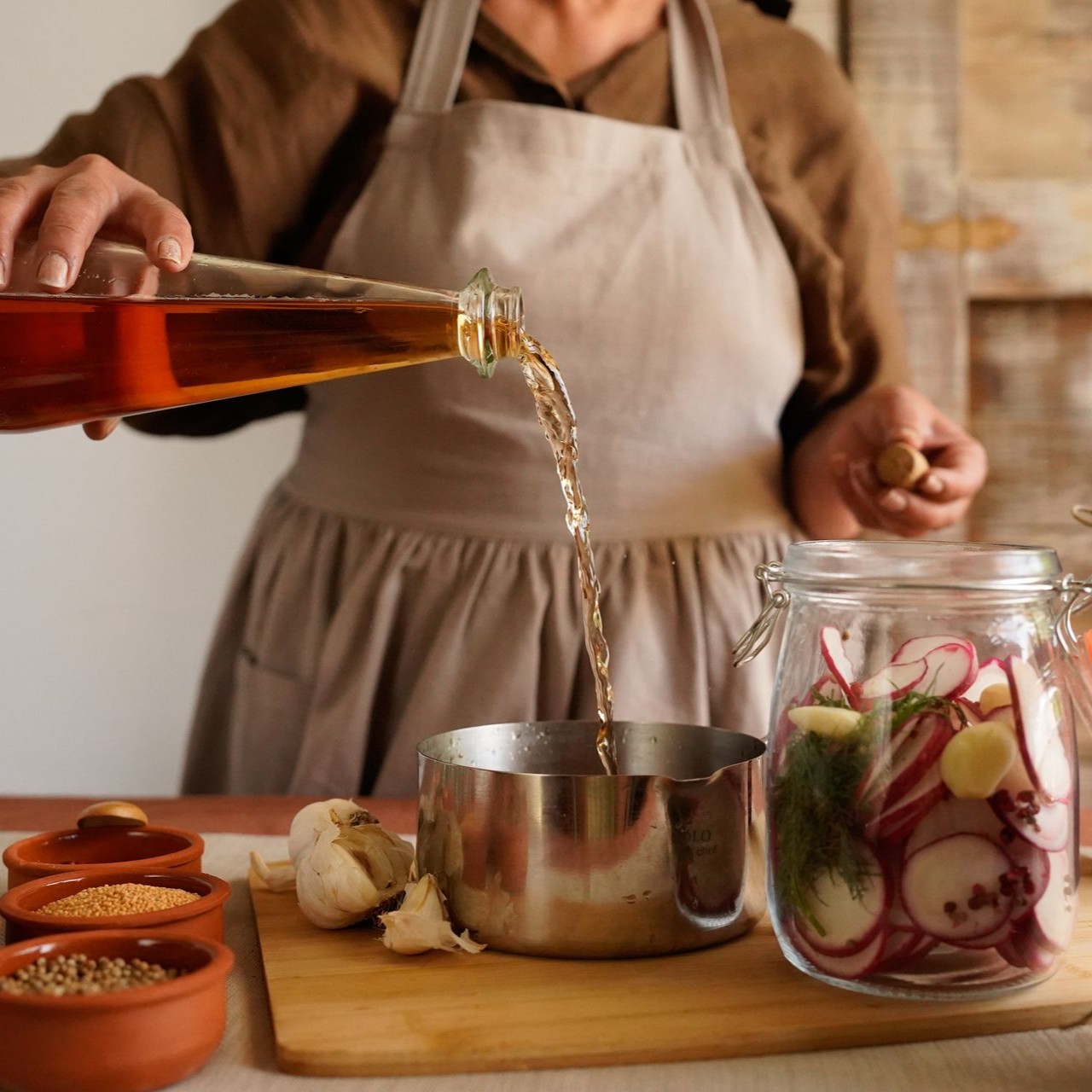
Salt gets all the credit, but vinegar does the work hardly anyone notices. A splash at the right moment pulls flavors forward, cuts through richness, and turns a good dressing into the reason someone asks for the recipe. Four bottles at a few dollars each cover more ground than a single fancy one.
Distilled White Vinegar. It brings sharp acidity with no flavor of its own, and that neutrality is the whole point. Use it for quick pickles, poached eggs, and a fast buttermilk substitute. It also descales a coffee maker, which lands it in a very small club of things that work both in and out of a recipe.
Apple Cider Vinegar. This vinegar adds a mild, fruity tang to vinaigrettes, braises, and marinades. It fills the sweet spot where white vinegar bites too hard and balsamic leans too sweet, so it slots into more dishes than either.
Balsamic Vinegar. It works raw and cooked. Spoon it over roasted vegetables, sliced strawberries, or fresh mozzarella, or reduce it into a glaze for grilled meats. Save the aged bottles for finishing, since real heat flattens their character.
Rice Vinegar. This bottle carries a gentle sweetness no other vinegar replicates. Sushi rice, light pickles, and most Korean and Japanese dressings lean on it, and plain distilled falls flat as a stand-in.
Red Wine Vinegar. It’s bright and tart with real bite. Whisk it into a vinaigrette, deepen a marinade, or add a final hit to a pot of lentils or a beef braise that reads a touch heavy.
Worth Paying Extra: For balsamic you’d pour straight from the bottle, Giuseppe Giusti earns the upgrade over grocery-store labels, with the sweeter, rounder profile a splash of the cheap stuff can’t fake.
Finishing Oils
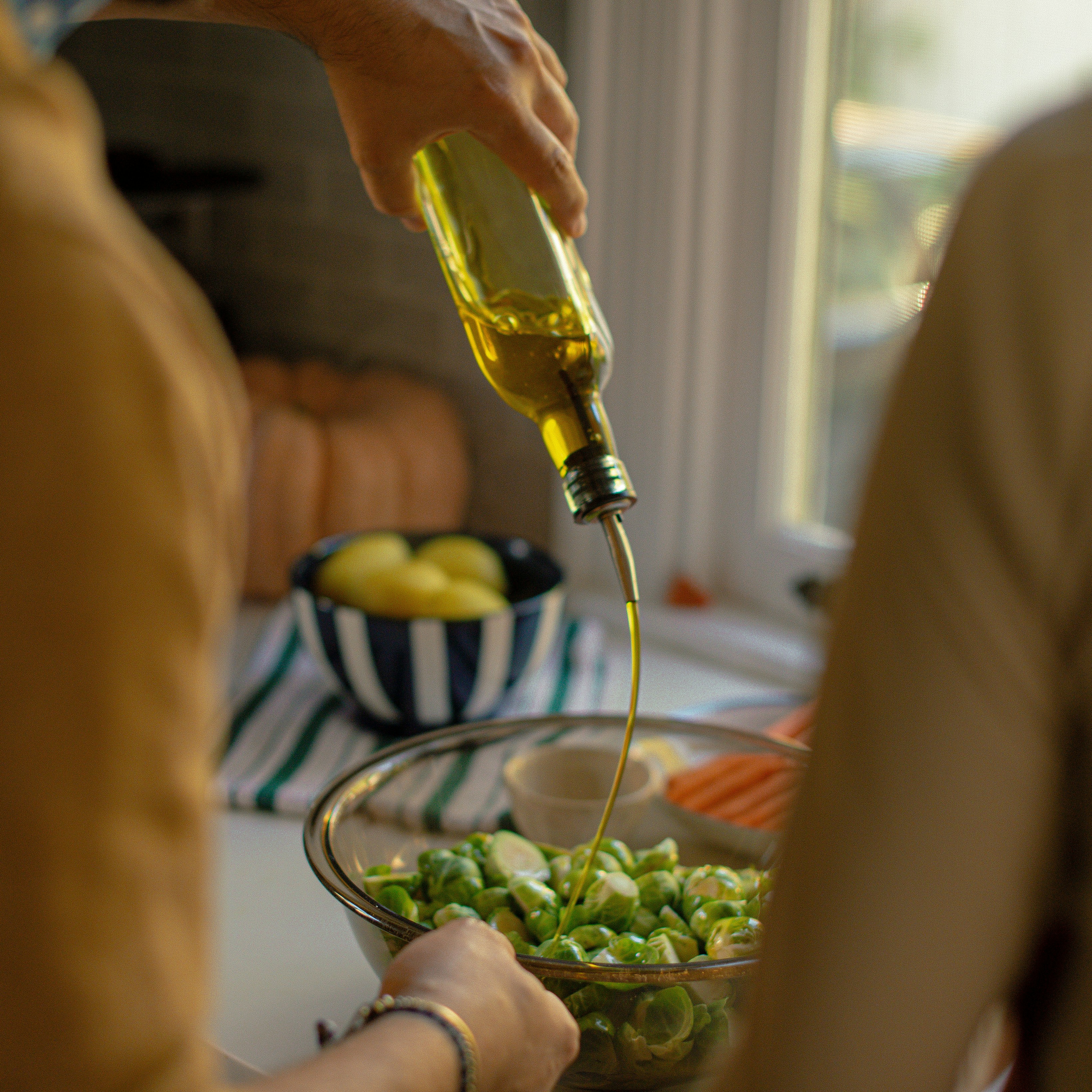
These are the oils you want at the table and at the stove. A last-second pour at the very end delivers flavor the stove would scorch right off.
Extra-Virgin Olive Oil. A drizzle over warm bread, a fresh salad, or soup right before it hits the table adds a peppery, grassy depth that only comes through raw. It’s also the base of any vinaigrette worth making. You can cook with it at moderate heat, too, but this section is about what it does at the finish.
Toasted Sesame Oil. Add it at the end, never the start, because its aromatics cook off under sustained heat. A teaspoon stirred in just before serving gives stir-fries, noodle bowls, and marinades a roasted, nutty warmth.
Walnut Oil. The flavor runs rich and delicate, but the low smoke point makes walnut oil a finishing-only ingredient. Sprinkle it over roasted beets, a bitter green salad, or a pot of butternut squash soup just before serving, and it adds a richness neither olive oil nor sesame can touch.
Chili Oil. A few drops over noodles, a fried egg, or a slice of pizza, and the whole plate comes alive. It brings clean, steady heat without the vinegar bite of hot sauce, and a little at the table goes a long way.
Worth Paying Extra: Good olive oil rewards a few extra dollars. Look for a dark glass bottle or metal tin that prints a harvest date within 18 months since premium oils are single-source, cold-pressed, and third-party tested. Cobram Estate California Select clears every one of those checkpoints and has taken gold at multiple olive oil competitions.
Tabletop Favorites
These are the bottles that live in your fridge door. You know what they do on a burger or next to a plate of fries, but these condiments do serious work inside a recipe, too. Their uses go far past chicken nugget dipping, and once you start cooking with them, they’ll change the way a weeknight dinner comes together.
Ketchup. It does plenty past the burger. Stir it into meatloaf or a simmering pot of chili, where its sweet-and-acid balance rounds out a dish in ways a splash of vinegar can’t manage alone.
Yellow Mustard. The ballpark classic holds its own in the kitchen. It mixes into potato salad dressing, sharpens a deviled egg filling, and adds tang to a fast pan gravy.
Dijon Mustard. Dijon brings a sharper, more refined edge than yellow. It emulsifies a vinaigrette so oil and vinegar stop fighting, coats a pan sauce with tang, and rubs onto meat before roasting for a savory crust. It improves almost everything around it.
Mayonnaise. Sandwiches are only the start. Mayo adds moisture to baked goods, browns into a golden crust when spread on fish or poultry before roasting, and forms the base of dozens of dressings and dips.
Hot Sauce. A vinegar-based bottle keeps for years thanks to its acidity, and it works as well in the pan as it does at the table. Stir it into marinades, braises, and dressings for heat that builds through the whole dish.
Barbecue Sauce. Give it a spot in your weeknight rotation. A spoonful deepens a pot of baked beans, becomes the backbone of quick sloppy joes, and turns into an easy marinade for chicken thighs before they hit the oven.
Relish. Sweet or dill, it brings a briny crunch to tuna salad, deviled eggs, and tartar sauce.
Steak Sauce. Tangy, savory, and lightly sweet, it earns its keep well beyond a ribeye. Try it in a meatloaf glaze, on a burger, or stirred into a simple gravy when you want a fast hit of complexity.
Spreads and Drizzles
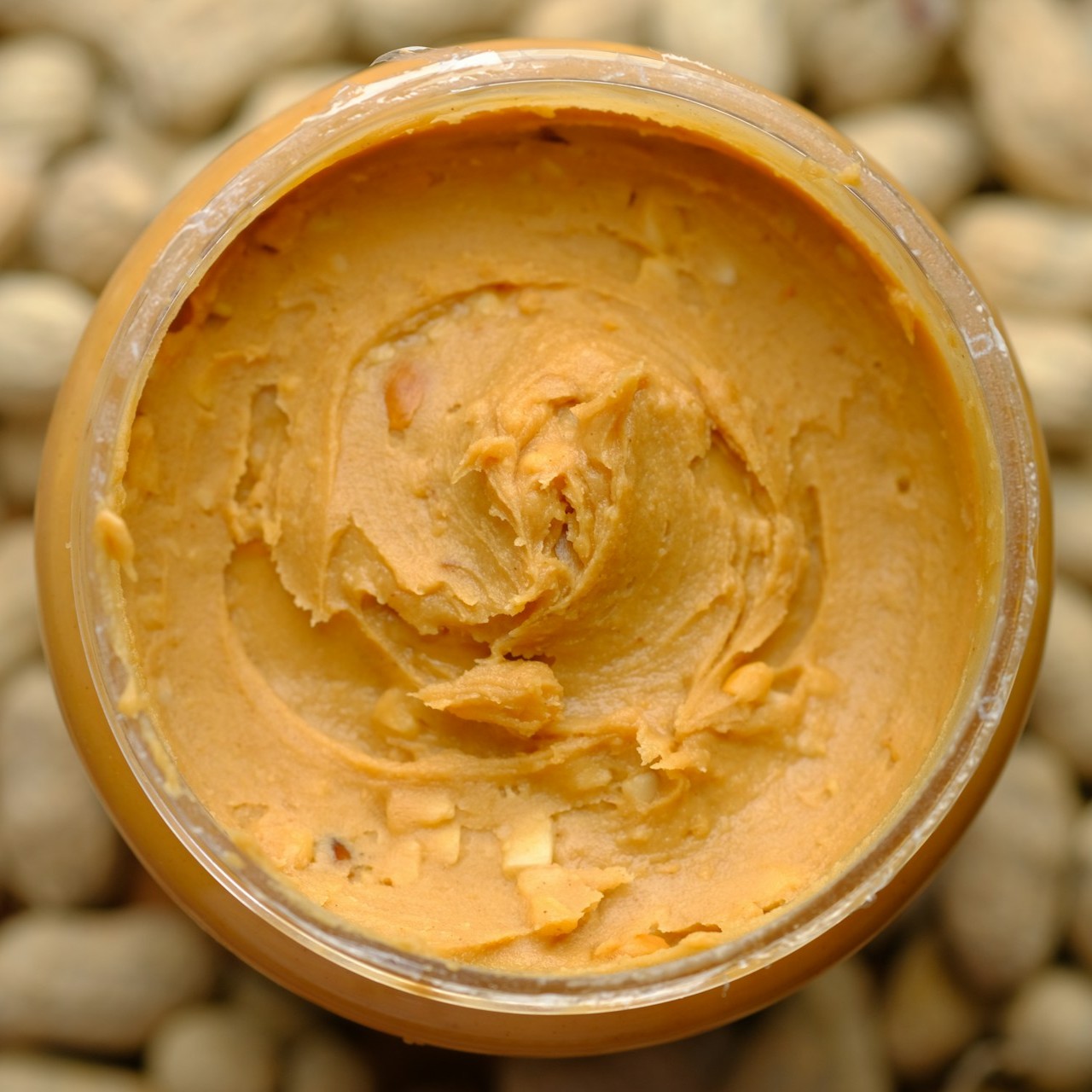
These go on bread, into recipes, and sometimes straight off the spoon at midnight. No judgment.
Natural Peanut Butter. A single jar covers a five-minute noodle sauce, a richness boost in a smoothie, and protein when the clock is against you. Look for a jar listing just peanuts and maybe salt because a longer ingredient line usually means added sugar and oil you don’t want.
Tahini. Tahini anchors hummus, enriches dressings, drizzles over roasted vegetables, and stirs into cookie dough for a toasted complexity. A single tub spans Middle Eastern, Mediterranean, and Asian cooking.
Fruit Jams, Preserves, and Jelly. Glaze a roast, fill thumbprint cookies, swirl a spoonful into yogurt, or stir it into a pan sauce with a splash of vinegar for a fast fruit sauce.
Apple Butter. The spread runs thicker, darker, and more concentrated than applesauce, with a warm spice profile that shines on toast, in oatmeal, across a cheese board, and as a glaze for roasted pork. It’s autumn in a jar.
Almond Butter. Expect a slightly sweeter, milder profile than peanut butter, with the same versatility in smoothies, noodle sauces, and morning bread. It’s also a solid alternative for anyone looking to mix up their nut butter rotation.
Nutella. Chocolate and hazelnut meet in a spread that goes on toast, crepes, and fruit. It also melts into a warm dip for strawberries or pretzels and stirs into oatmeal for a breakfast that feels like dessert.
Honey and maple syrup blur the line between condiment and baking staple, but they earn their fuller treatment on the sweeteners shelf. We cover both in our baking ingredients guide rather than double up here.
Worth Paying Extra: With peanut butter, the ingredient list gets shorter as the quality climbs. Crazy Richard’s takes that idea as far as it goes since the label reads “peanuts” and nothing else.
Zoning Your Condiments by Type and Use
Even a well-stocked shelf falls apart when the bottles you need most are buried behind the bottles you barely touch. Grouping by how often you reach for something keeps the everyday stuff front and center and keeps the rest from vanishing into the back. Four loose zones cover almost every kitchen.
The everyday zone. Front and center, at eye level, put the bottles you grab most. Ketchup, mustard, soy sauce, olive oil, and hot sauce belong where your hand lands without thinking.
The mid-recipe zone. Just behind the front row, keep the umami and vinegars you pull mid-cook. Worcestershire, miso, and your vinegars live here, close enough to grab while a pan is already going.
The occasional zone. Higher up or further back, park what you need less. Toasted sesame oil, tahini, and specialty bottles don’t need prime real estate, so give the busy stuff room.
The fridge zone. Group every opened bottle that has to stay cold in one spot on the door or a single row so you’re not hunting through leftovers for the Dijon.
Pro Tip: A pantry door organizer or a lazy Susan on the shelf keeps short bottles visible instead of buried. And if you’re tired of coming home with a second bottle of rice vinegar because you forgot you already had one, an inventory app like KitchenPal can help. Scan items in when you buy them, and check them off when they’re gone so you always know what’s on the shelf before you head to the store.
Fridge, Shelf Life, and When to Toss
Most bottles on this shelf are stable until you crack the seal. After that, the rules split, and a bottle stored in the wrong spot can turn long before you’d expect.
Fridge vs. Pantry After Opening
Move these to the fridge once opened: ketchup, both mustards, mayonnaise, soy sauce and tamari, Worcestershire, miso (cold from day one), fish sauce, tahini, and every jam, preserve, and apple butter. Chilling slows the fermentation and oxidation that dull their flavor.
Leave these in a cool, dark cabinet even after opening: distilled white vinegar, apple cider vinegar, balsamic, rice vinegar, red wine vinegar, and honey. Olive oil stays in the pantry, too, never the fridge, since cold clouds it and dulls the pour. Hot sauce bends either way, safe on the shelf but longer-lived cold.
How Long After Opening
The USDA’s FoodKeeper database is worth bookmarking because it settles every “is this still good?” argument you’ll ever have with yourself at the fridge door. Here are a few of the timelines that tend to surprise people:
Mayonnaise only lasts about two months once opened (yes, really).
Soy sauce peaks around a month in the fridge even though it stays safe longer.
The olive oil you’ve been nursing since last winter probably turned a while ago.
On the longer end, mustard stretches close to a year refrigerated, balsamic holds near 18 months in the pantry, and most jams give you 6 to 12 months before they start to fade. Peanut butter and tahini fall somewhere in between at two to three months and several months, respectively.
When to Toss
Your nose and eyes beat any printed date. Pitch anything with mold, a sour or off odor, or a separation that won’t stir back together. A bottle that fizzes, hisses, or bulges goes right in the trash, no taste test, because those are signs of unwanted fermentation. Oils that smell like old crayons have gone rancid and belong straight in the bin.
A Condiment Shelf That Earns Its Keep
This shelf turns a plain plate into a finished meal, so it deserves the same attention you give the fresh stuff. A handful of bottles can cover more ground than a packed spice rack, and the condiments you cook with will keep surprising you.
Zone by how often you use something, chill what needs chilling, and toss what has turned. Do that, and the shelf stops being a graveyard of half-used jars and starts being the fastest fix in your kitchen. Let your own cooking decide which bottles stay.
All product details, pricing, and availability were verified at the time of publication and may change without notice. Please confirm current information before making a purchase. Storage timelines are sourced from the USDA’s FoodKeeper database.




Leave a Comment
Your email address will not be published. Required fields are marked *