

You have three or four cookbooks with worn spines, a folder of clipped recipes, and five or six dishes that don’t exist in any book. They live in your hands, adjusted to taste and improved a little every time you make them. You don’t need someone to tell you to buy olive oil and salt. You need someone to help you purge and figure out what to splurge on, what to toss, and what needs a replacement.
We’ve set out to create the optimal pantry staples list for the experienced cook who probably has an overkill problem rather than not knowing what to buy. You’re the kind of cook who is quite certain “there’s some beef bouillon in here somewhere” (probably from a year ago). This list, in combination with your own expertise about your cooking style, will help you pare down while still having a well-rounded and stocked pantry.
Storage timelines throughout come from the USDA’s FoodKeeper database. They’re meant as practical guides rather than strict expiration dates. Most pantry staples last longer than their listed times, and your nose and eyes are better judges than a calendar.
The Three Tests
Every pantry staple here passed three tests:
Range. An ingredient makes the list by working across many dishes and cuisines. The curry paste you bought for a single dinner fails here.
Storage. An ingredient has to hold up between uses without degrading, going stale, or becoming a liability. Truffle oil fails here.
Outcome. The ingredient has to measurably change what ends up on the plate. If a dish tastes the same without it, it doesn’t get permanent shelf space.
Fats and Oils
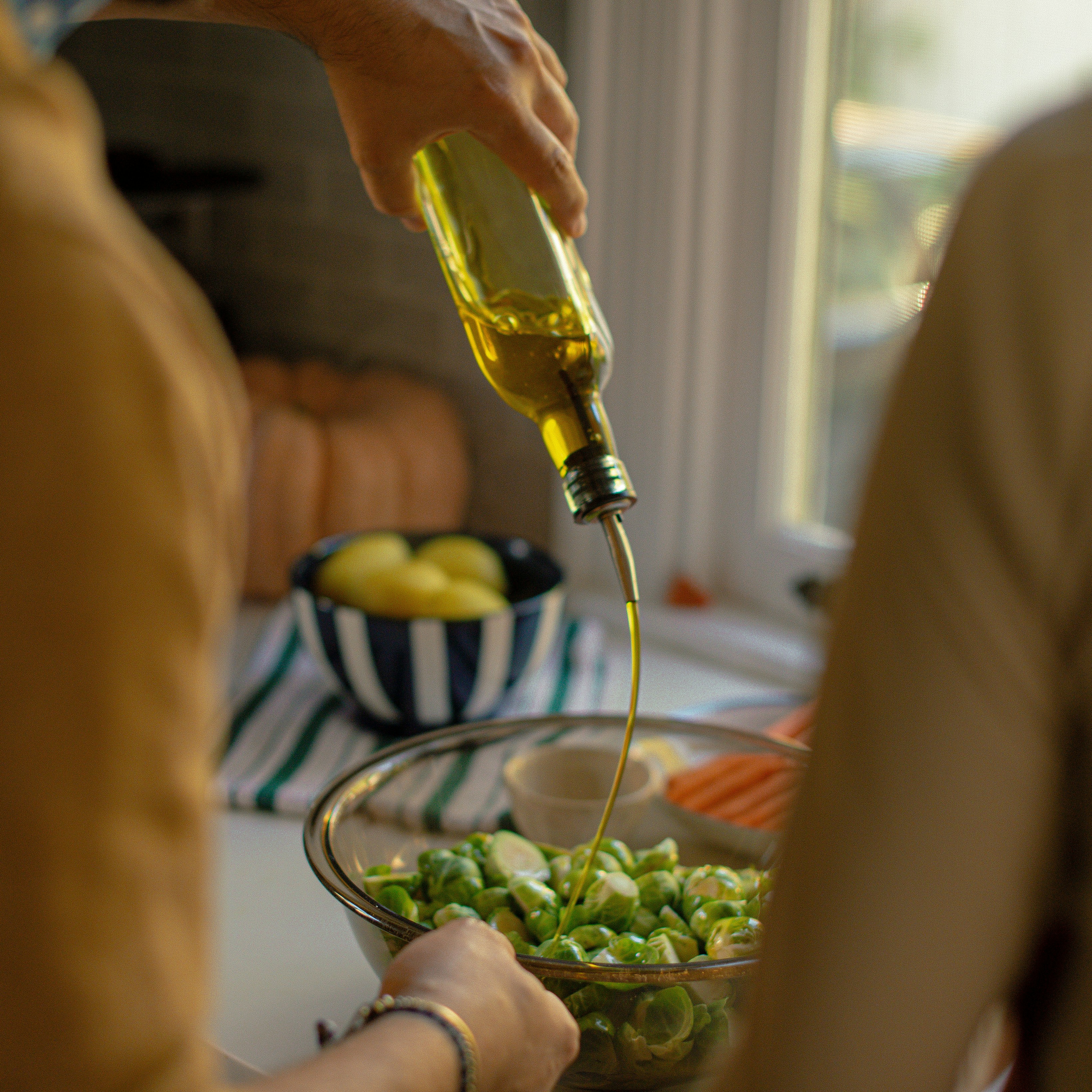
Fat does more work than almost any other pantry ingredient, and the taste difference between a cheap oil and a quality one is unmistakable.
KEEP ON HAND
1. Extra-Virgin Olive Oil
Extra-virgin olive oil handles moderate heat without burning and still has real flavor when you drizzle it raw over a finished dish. Use it for sautéing, pasta sauces, vinaigrettes, and finishing.
Shelf life: 6 months to 1 year unopened; 3–5 months after opening
2. Neutral Oil
Neutral oil is any oil with a mild flavor and a high smoke point. Canola, grapeseed, and vegetable oil are the most common. Use one wherever olive oil would burn or taste out of place.
Shelf life: 6 months to 1 year unopened; 3–5 months after opening
3. Unsalted Butter
Unsalted butter gives precise salt control, since sodium content varies by brand and can throw off a carefully balanced dough or batter. No other fat tenderizes pastry or enriches a pan sauce the same way.
Shelf life: 1–2 months refrigerated; 6–9 months frozen
4. Coconut Oil
Coconut oil is solid at room temperature, making it the right shortening substitute for vegan baking, and its faint sweetness flatters curries and South Asian dishes in a way neutral fats don’t. It spent most of the 2010s being marketed as the answer to everything from cooking to skincare. On this list, its job is narrower and considerably less glamorous.
Shelf life: 3 years unopened; no refrigeration required
WORTH ADDING
5. Toasted Sesame Oil
Add toasted sesame oil at the end, not at the start. Its volatile aromatics burn off with prolonged heat. A teaspoon stirred in just before serving delivers a roasted, nutty depth to stir-fries, noodle dishes, and marinades.
Shelf life: 2 years unopened; 6 months after opening
QUALITY CALLOUT
In this category, spend a few extra dollars on quality extra-virgin olive oil. A single-origin, high-quality option gives you a robust flavor when drizzled over a dish or used as a dressing. Look for a dark glass bottle or metal tin that clearly labels the harvest date within 18 months. Premium oils offer a single source, are cold pressed or cold extracted, and are third-party tested. Cobram Estate California Select clears every point and has taken multiple gold medals at the New York International Olive Oil Competition.
Salt and Dried Seasonings
This is the category you touch every time you cook and also where people waste the most money buying blends that duplicate what they already own.
KEEP ON HAND
6. Kosher Salt
Kosher salt is the cook’s salt. The coarse grains let you season by feel, and the neutral mineral content stays out of the way of whatever you’re cooking.
Shelf life: Indefinite
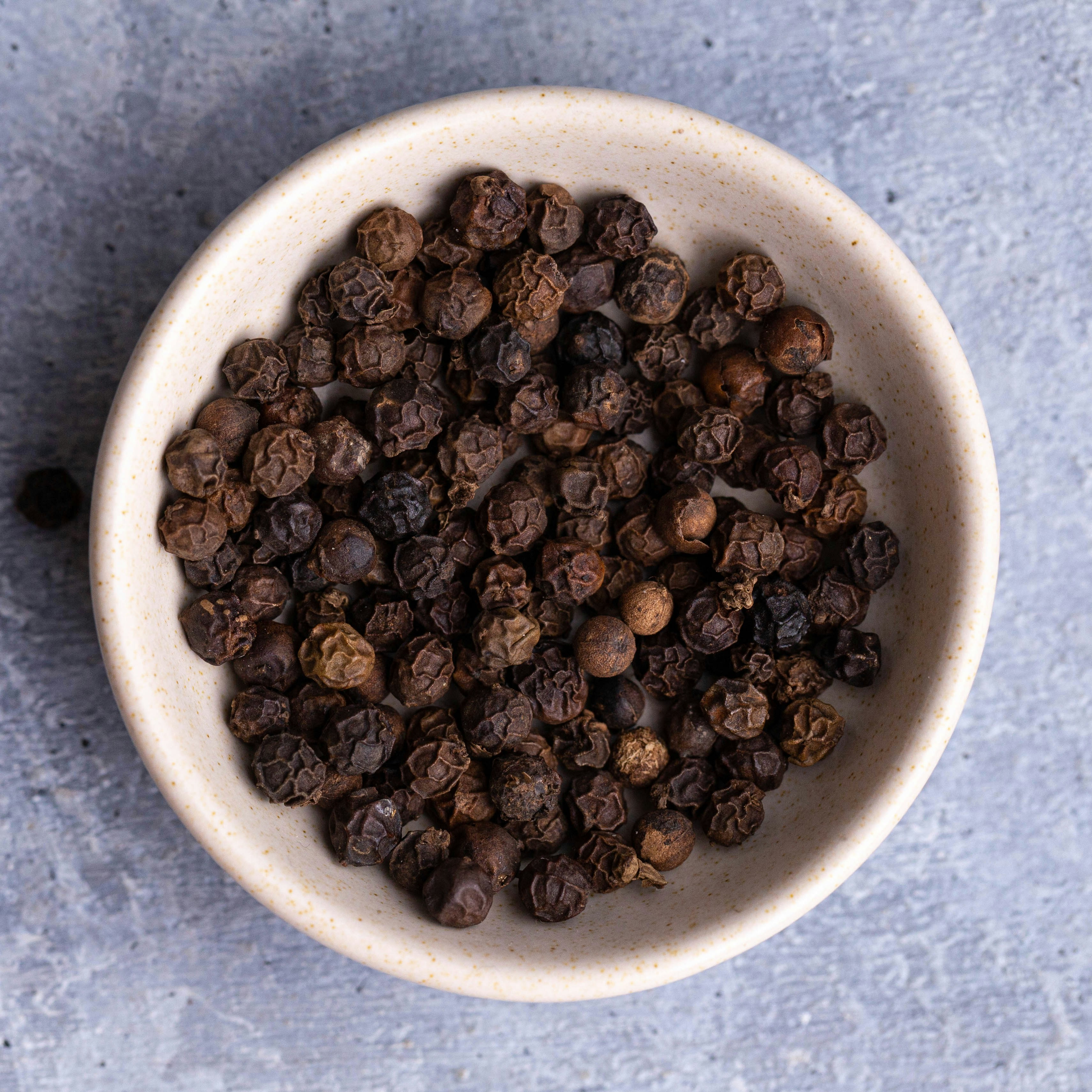
7. Black Peppercorns
Pre-ground pepper loses its aromatic oils the moment the peppercorn is cracked, leaving you with heat and almost no flavor after a few weeks in the jar. Whole peppercorns hold those oils until you grind them. A basic grinder runs under $20 and pays for itself the first time you crack pepper over something fresh.
Shelf life: 3–4 years
8. Garlic Powder
Garlic powder handles dry rubs and high-heat cooking where fresh garlic would burn and distributes evenly through spice blends without adding moisture.
Shelf life: 3–4 years
9. Crushed Red Pepper Flakes
Crushed red pepper flakes add heat to pasta, pizza, braises, and stir-fries, and each person at the table controls how much. Bloom them in oil for even heat, or add at the end for a sharper hit.
Shelf life: 3–4 years
10. Dried Oregano and Thyme
Dried oregano and thyme survive braises and slow simmers that would turn fresh herbs bitter and lifeless. They form the herb foundation of Italian, Mediterranean, and French cooking. There’s probably a jar in your spice cabinet from your last apartment. If it smells like hay, replace it.
Shelf life: 1–2 years
11. Cinnamon
Ground cinnamon crosses sweet and savory cooking. Apple pie, banana bread, Moroccan tagines, and chili all call for it. Most supermarket cinnamon is Cassia. Ceylon is the more delicate variety, better suited to custards and drinks where cinnamon plays a supporting role.
Shelf life: 3–4 years
WORTH ADDING
12. Smoked Paprika
Smoked paprika gives dishes a wood-fire character without a grill. Use it in spice rubs, roasted vegetables, stews, hummus, eggs, and pasta.
Shelf life: 3–4 years
QUALITY CALLOUT
Dried spices lose potency fast. Buy from a store with high turnover, check color and smell, and replace anything that smells like nothing. A fresh bottle is in a different league from one that’s been on the shelf three years. Burlap & Barrel is worth bookmarking for single-origin quality.
Acids and Vinegars
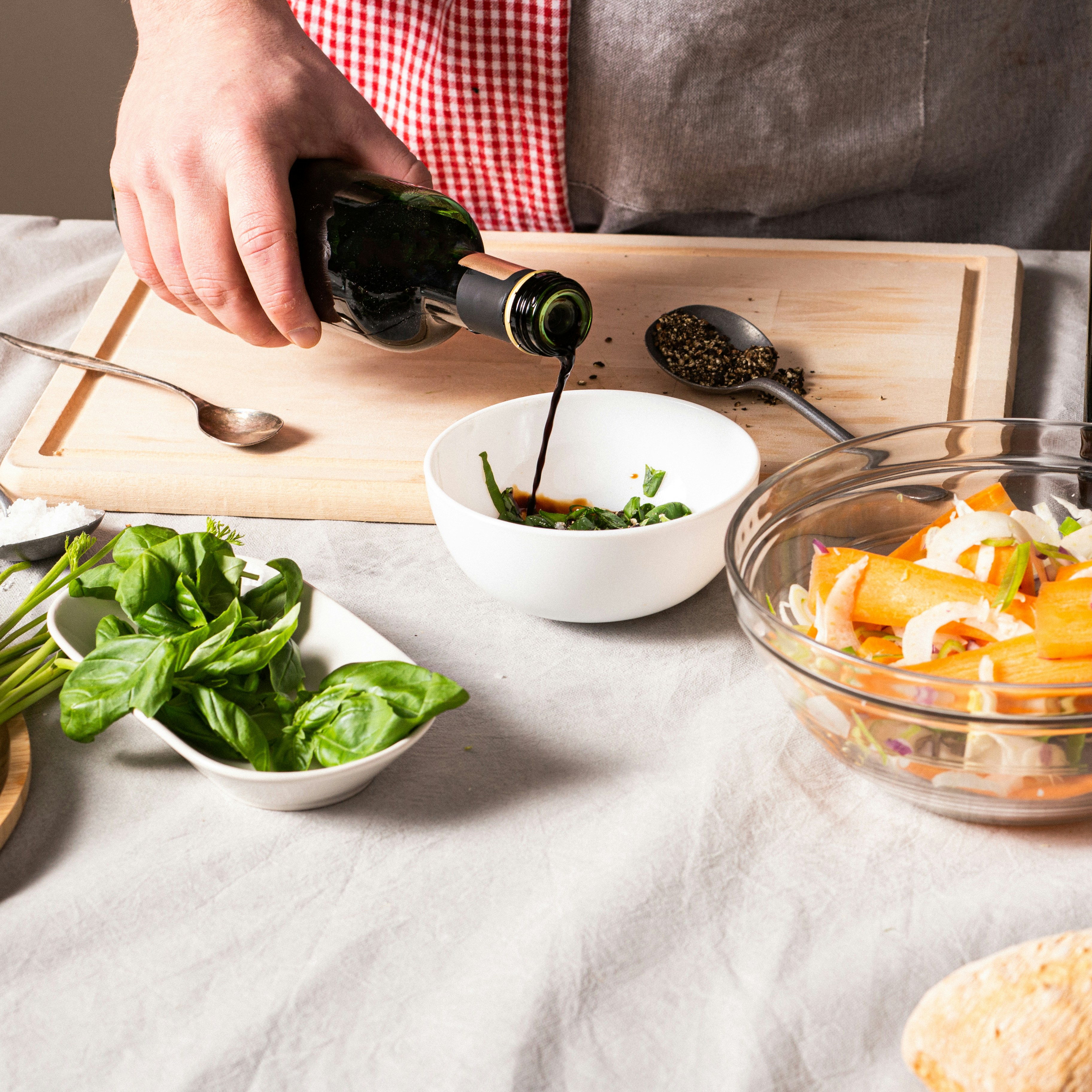
Acid is the ingredient home cooks under-season with most, and a squeeze of lemon or a splash of vinegar is often the fastest fix when a dish tastes flat. Four different vinegars at $4 each serve you better than one expensive bottle.
KEEP ON HAND
13. Distilled White Vinegar
Distilled white vinegar delivers acid without flavor, and the neutrality is the point. Use it for quick pickles, poached eggs, and buttermilk substitutes. It’s handy for descaling a coffee maker, too.
Shelf life: 2 years unopened
14. Apple Cider Vinegar
Apple cider vinegar brings mild, fruity acidity to vinaigrettes, braises, and marinades. It fits where white vinegar would be too harsh and balsamic too sweet.
Shelf life: Indefinite
15. Balsamic Vinegar
Basic balsamic works both raw and cooked. Drizzle it over roasted vegetables, strawberries, or fresh mozzarella, or reduce it into a glaze for grilled meats and roasted vegetables.
Shelf life: 3–5 years unopened; 18 months after opening in the fridge
WORTH ADDING
16. Rice Vinegar
Rice vinegar has a mild sweetness that no other vinegar replicates. Quick pickles, sushi rice, and Korean and Japanese dressings all depend on it, and white vinegar falls flat as a substitute.
Shelf life: 2 years unopened
QUALITY CALLOUT
Lemons didn’t make the list because they don’t hold in storage, but they’re invaluable for adding freshness, tartness, and crispness. Always buy fresh over bottled juice. The zest is irreplaceable. For balsamic, the premium aged version pays off only when drizzled raw. Heat kills it. Giuseppe Giusti is a well-priced option.
Starches
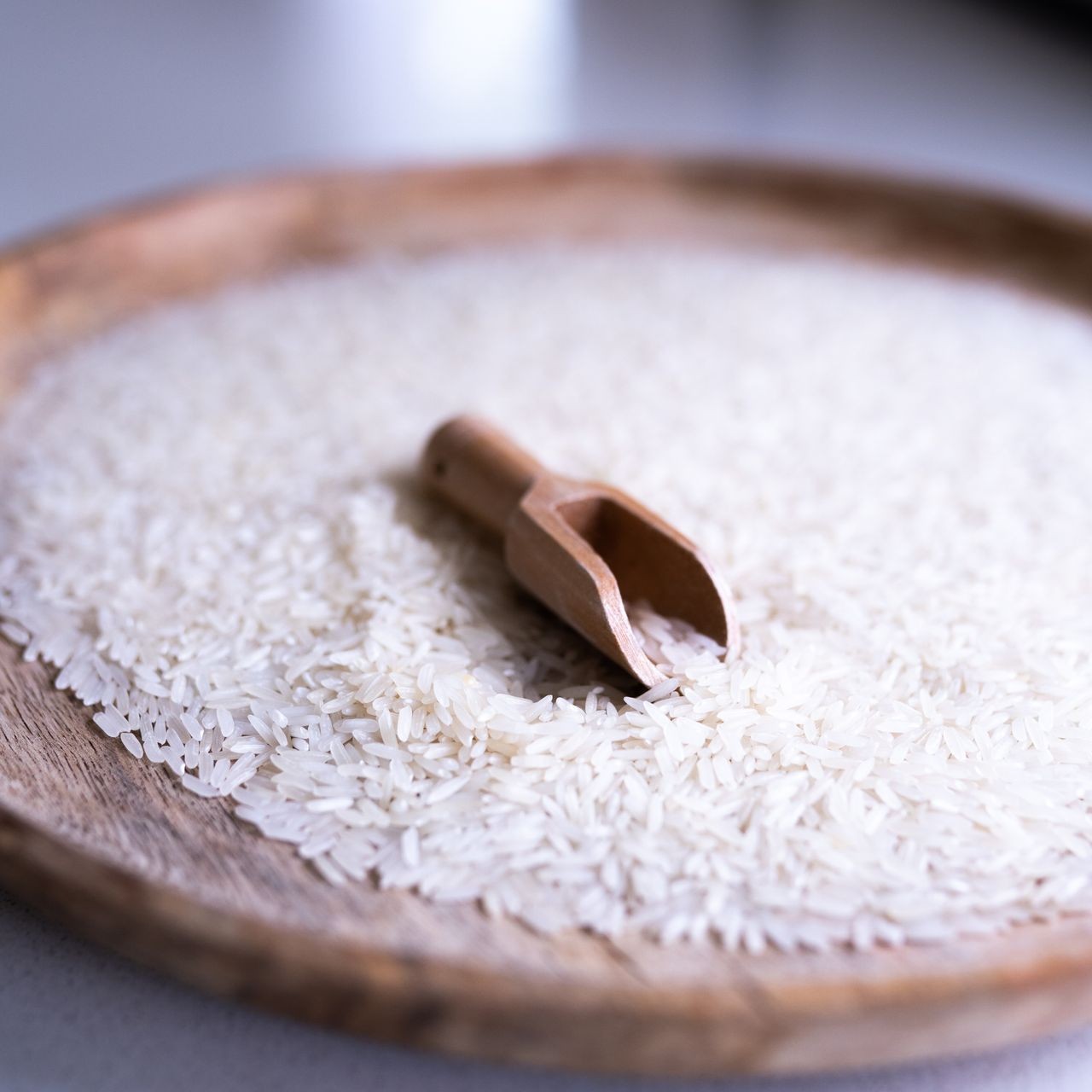
The pantry staples in this category form your base, and the quality bar is lowest. Save the money and spend it where an upgrade shows on the plate.
KEEP ON HAND
17. Long-Grain White Rice
Long-grain white rice works next to a curry, stir-fry, pot of beans, or grain bowl with equal ease. Add a bag of jasmine or basmati for the fragrant grain South Asian and Southeast Asian dishes need.
Shelf life: 2 years unopened; 1 year after opening
18. Cornmeal
Cornmeal serves as the base for cornbread and polenta and as a coating for fried fish or chicken that gives a crunch breadcrumbs can’t match. Yellow and white varieties are largely interchangeable for most recipes.
Shelf life: 6–12 months unopened; 1 year after opening
19. Canned Beans
Canned beans turn hours of soaking and simmering into a five-minute step. Use them as the main protein in vegetarian dishes, in soups, stews, salads, and dips. Dried bean purists will object. They’re not wrong, just slower.
Shelf life: 2–5 years unopened
20. Breadcrumbs
Breadcrumbs coat cutlets and fish, bind meatballs and meatloaf, and top gratins and baked pasta. Panko gives a lighter, crispier result. Keep both.
Shelf life: 6 months unopened
21. Cornstarch
Cornstarch thickens sauces, gravies, and pie fillings faster and cleaner than flour without the floury taste. Always dissolve it in cold water before adding to a hot liquid. Arrowroot works the same way and freezes better. It also doubles as a dry shampoo and face powder, which puts it in a category of its own.
Shelf life: 18–24 months unopened; 18 months after opening
WORTH ADDING
22. Rolled Oats
Rolled oats bind veggie burgers, meatballs, and meatloaf without pushing their own flavor forward. They also cover standard oatmeal, overnight oats, crumbles, and granola.
Shelf life: 1 year unopened; 6–12 months after opening
Umami and Depth
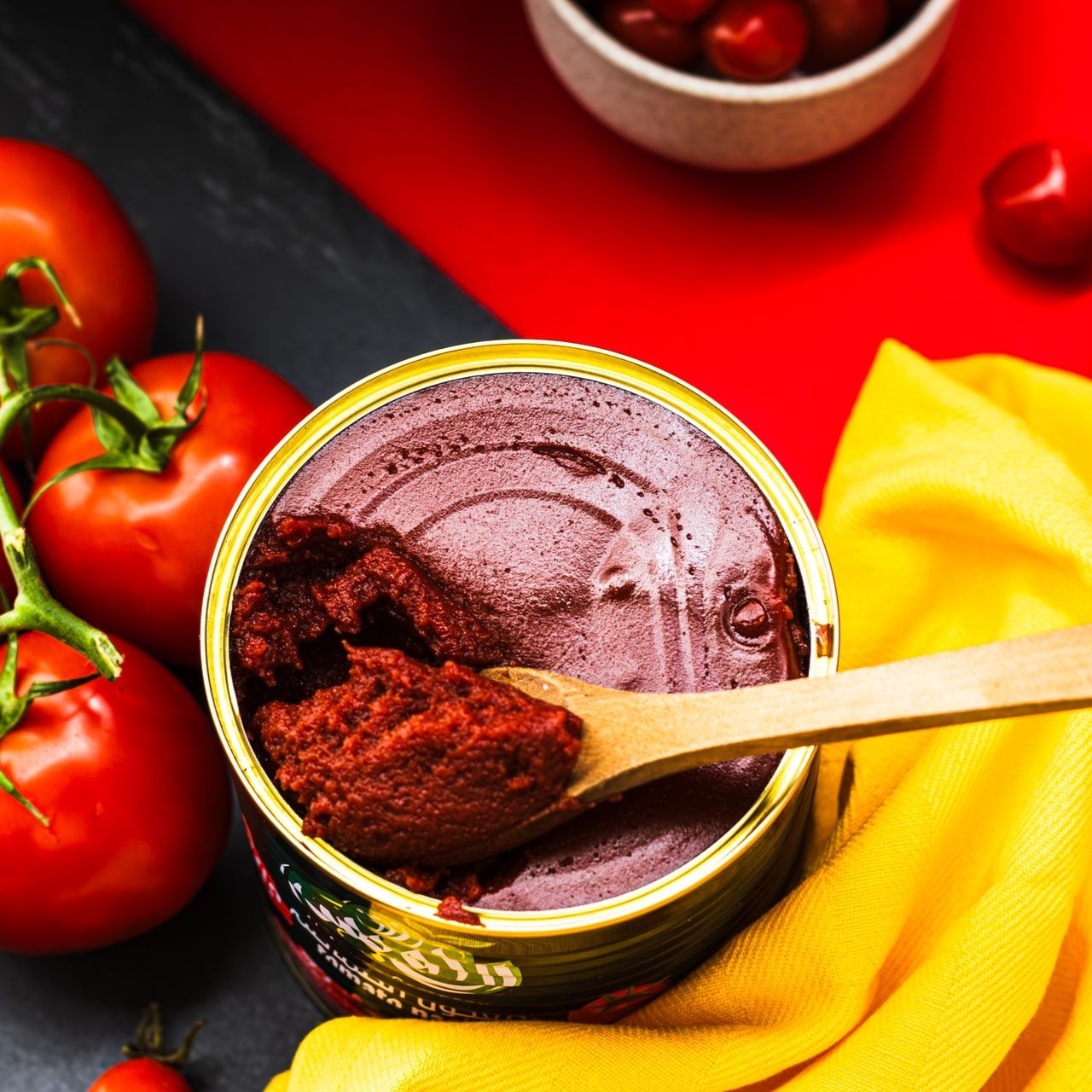
This category separates a dish that tastes finished from one that’s missing something you just can’t quite put your finger on.
KEEP ON HAND
23. Canned Whole or Diced Tomatoes
Canned whole or diced tomatoes start more weeknight dinners than anything else in the pantry, from pasta sauces and braises to soups and shakshuka. They cross Italian, Mediterranean, Middle Eastern, and Latin American cooking without missing a beat.
Shelf life: 12–18 months unopened
24. Tomato Paste
Tomato paste delivers a full can’s worth of flavor in a single spoonful, without the liquid. Brown a small amount in hot oil before anything else goes in, and you’ll taste the difference.
Shelf life: 27 months unopened; 5 days after opening (refrigerated); 2–3 months frozen
25. Broth or Stock
Broth or stock gives rice, pan sauces, and soups a flavor that water can’t replicate. Rice cooked in broth tastes intentional. A pan sauce built on stock barely needs seasoning.
Shelf life: Package’s use-by date
26. Soy Sauce
Soy sauce does the work of salt and a flavor enhancer at once. A splash in a braise, marinade, or pan sauce adds a dimension straight salt can’t.
Shelf life: 3 years unopened; 1 month after opening (refrigerated)
27. Canned Anchovies
Canned anchovies are the most counterintuitive item here and among the most useful. Mash a few into hot oil, and they dissolve completely, leaving no fishiness but building a savory backbone in pasta sauces, braises, and dressings.
Shelf life: 5 years unopened; 3–4 days after opening (refrigerated); 2 months frozen
WORTH ADDING
28. Fish Sauce
Fish sauce adds fermented, savory depth without tasting like fish. It’s essential to Thai and Vietnamese cooking, and a splash sneaks umami into Bolognese, chili, and Caesar dressing.
Shelf life: 3–4 years unopened; up to 1 year after opening
QUALITY CALLOUT
Canned tomatoes are worth spending more on. A quality San Marzano or well-made domestic brand has noticeably less watery liquid and a rounder flavor that carries through whatever you cook them in. Not every can labeled San Marzano actually is. Look for the DOP seal. La Valle San Marzano DOP prints its certification number right on the can.
Baking Foundations
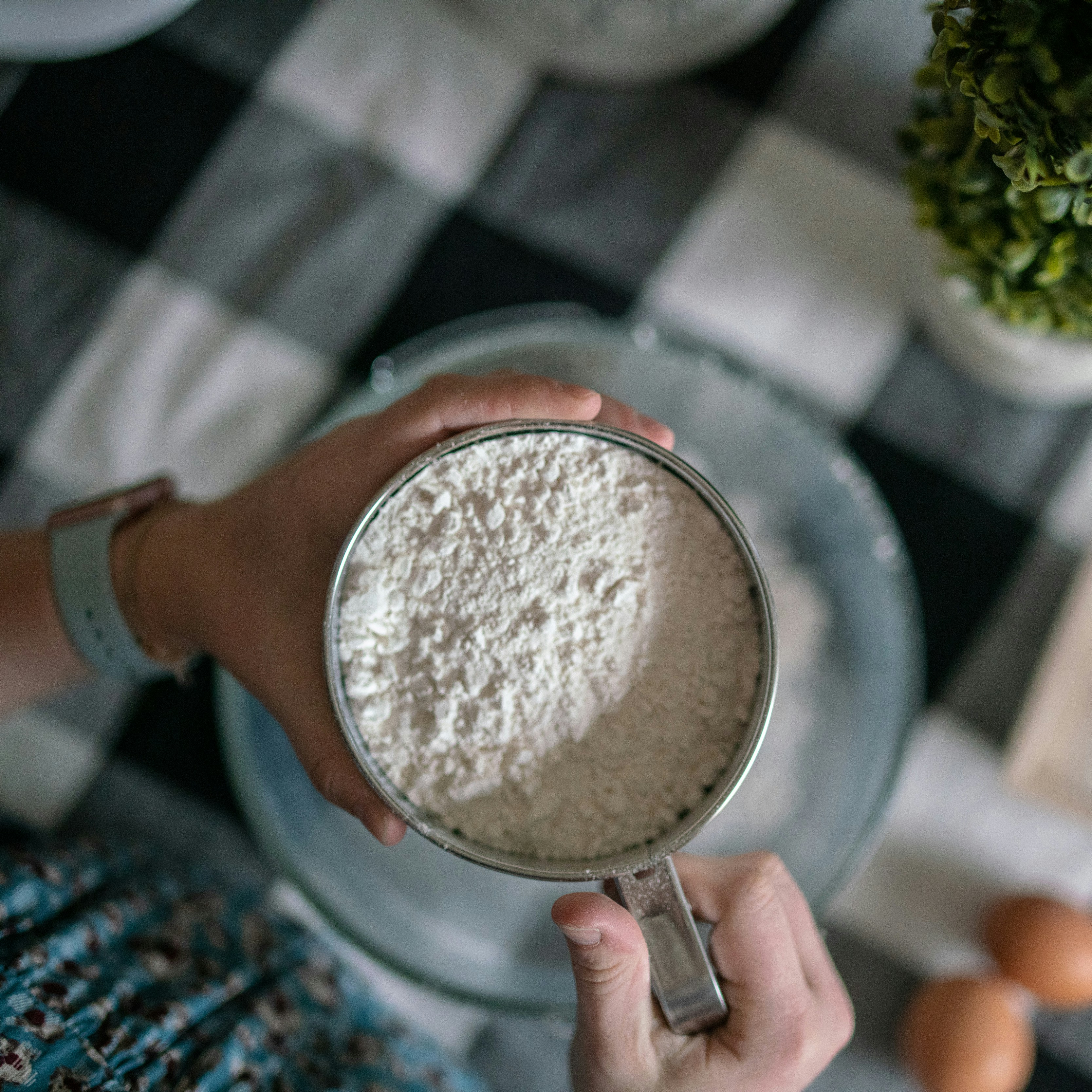
This category stays deliberately small. Most home cooks bake occasionally rather than constantly, and specialty flours bought for a single recipe rarely get more use.
KEEP ON HAND
29. All-Purpose Flour
Most baking recipes are built around all-purpose flour, and swapping in bread or cake flour changes the protein content and the structure of what you’re making. Beyond baking, all-purpose also thickens sauces and dredges proteins.
Shelf life: 6 months to 1 year unopened; 6–8 months after opening
30. Baking Soda
Baking soda is a leavening agent that activates in the presence of an acid. It produces CO2 for lift, but it also raises the pH of a batter, which is what drives browning and crispness in cookies, chocolate cake, and anything you want a deep color on. Buttermilk, lemon juice, yogurt, vinegar, and natural cocoa powder all trigger it.
Shelf life: 2–3 years unopened; 6 months after opening
31. Baking Powder
Baking powder makes cakes, biscuits, and muffins rise without needing buttermilk, citrus, or yogurt in the recipe. Test it in hot water. If it doesn’t bubble vigorously, replace it.
Shelf life: 6–18 months unopened; 3–6 months after opening
32. Granulated Sugar
Granulated sugar does more than sweeten. It traps air during creaming, promotes caramelization, and retains moisture in ways substitute sweeteners can’t replicate.
Shelf life: Indefinite unopened; 18–24 months after opening (doesn’t really spoil)
WORTH ADDING
33. Pure Vanilla Extract
Pure vanilla extract carries dozens of flavor compounds that imitation vanilla, built around a single synthesized chemical, can’t match. The difference is clearest in custards, cakes, and cookies where vanilla is the primary flavor.
Shelf life: Indefinite
QUALITY CALLOUT
Pure vanilla extract is the only upgrade this category warrants. Look for “pure vanilla extract,” check that it lists Madagascar or Bourbon vanilla, and look for a deep amber color. Anything pale or suspiciously cheap is likely synthetic. Nielsen-Massey Madagascar Bourbon is the benchmark.
What Didn’t Make the List
Apply our three tests strictly, and a lot of common pantry items don’t survive. Specialty flours like almond flour and oat flour are genuinely useful for specific needs, but most cooks don’t reach for them often enough to justify permanent shelf space.
Curry paste, mole, hoisin, and most spice blends built for one cuisine fail the range test. When something becomes a genuine repeat purchase, add it in. Until then, buy the smallest option you can find for the recipe.
Truffle oil, walnut oil, hazelnut oil, and most specialty infused fats fail the storage test. Open the bottle, and you have weeks before the flavor goes. Buy those fresh when you need them.
Cereal, granola, and packaged breakfast items stay off this list because they don’t participate in cooking.
The Pantry That Works for You
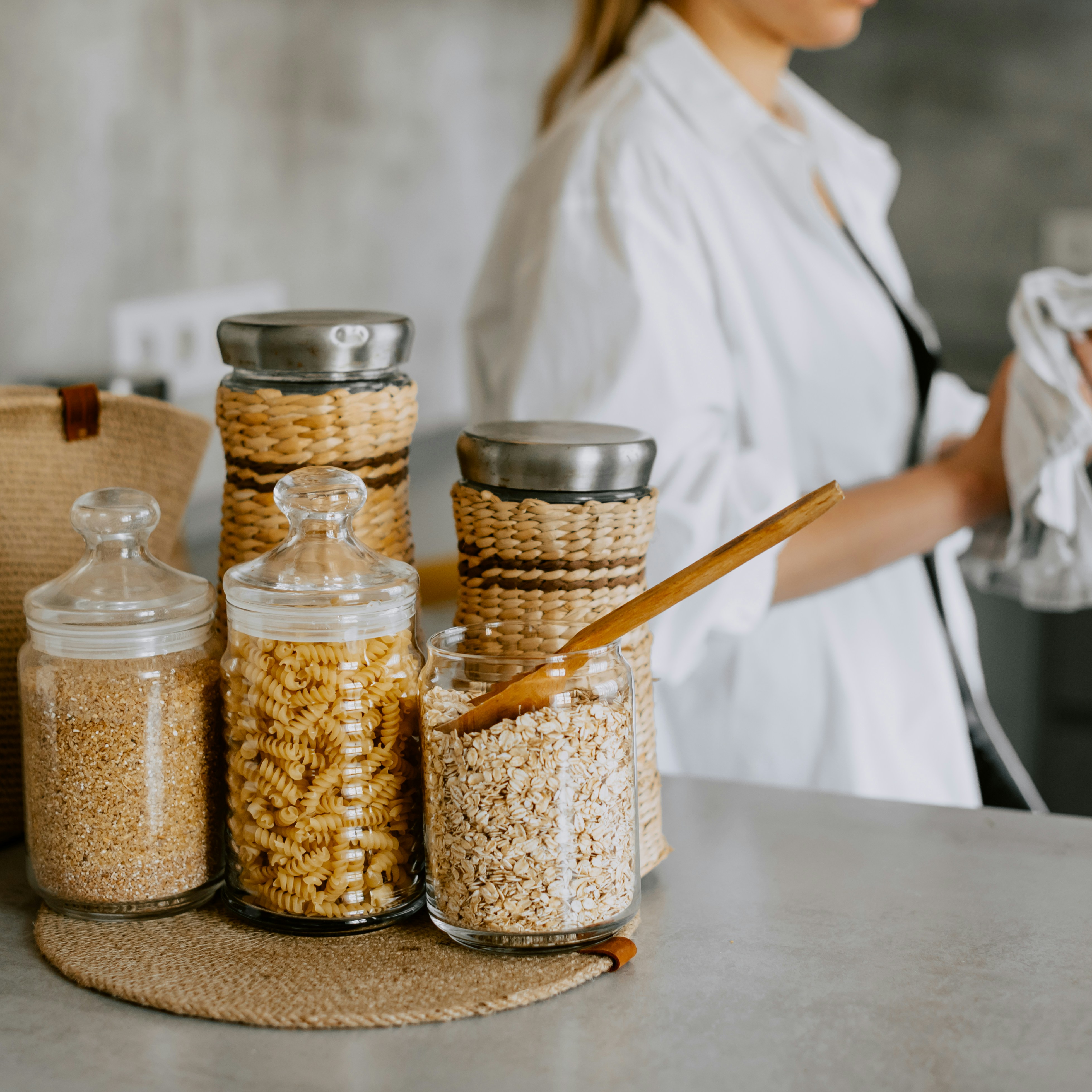
A pantry built around Italian and American cooking looks different from one built around Southeast Asian or Middle Eastern food, and both look different from one designed for someone who bakes every weekend. The three tests hold regardless of cuisine, though. Whatever your flavor is, use these three rules to narrow down your pantry staples, and sprinkle in the specialty items fresh when you need them.
Use this as a frame, not a final word. Build the version that matches how you really cook.
All product details, pricing, and availability were verified at the time of publication and may change without notice. Please confirm current information before making a purchase.



Leave a Comment
Your email address will not be published. Required fields are marked *